The question sounds simple enough until you realize the answer depends on how you count the pages. If you want the straight fact, Harry Potter holds the record. Written by J.K. Rowling, this series has moved roughly 600 million copies globally across multiple languages. It is widely recognized by Guinness World Records as the best-selling series ever published.
However, calling it a slam dunk misses the nuance of the publishing world in 2026. When you talk about "series," do you mean a set of novels telling one continuous story? Or does a franchise like Goosebumps by R.L. Stine count, which has sold upwards of 400 million units? The difference changes everything about what we consider a "book."
The Undisputed Leader: Harry Potter Statistics
| Series Title | Author | Estimated Sales | Primary Genre |
|---|---|---|---|
| Harry Potter | J.K. Rowling | 600 Million+ | Fantasy |
| Goosebumps | R.L. Stine | 400 Million+ | Mystery / Horror |
| Twilight | Stephenie Meyer | 120 Million | Young Adult / Romance |
| Lord of the Rings | J.R.R. Tolkien | 150 Million | Epic Fantasy |
Those numbers look static, but they grow every year. In 2026, the Harry Potter franchise continues to gain traction. We see spikes in sales whenever a new stage play opens or when a digital platform releases a new interactive game. The Wizarding World isn't just books; it is a transmedia empire.
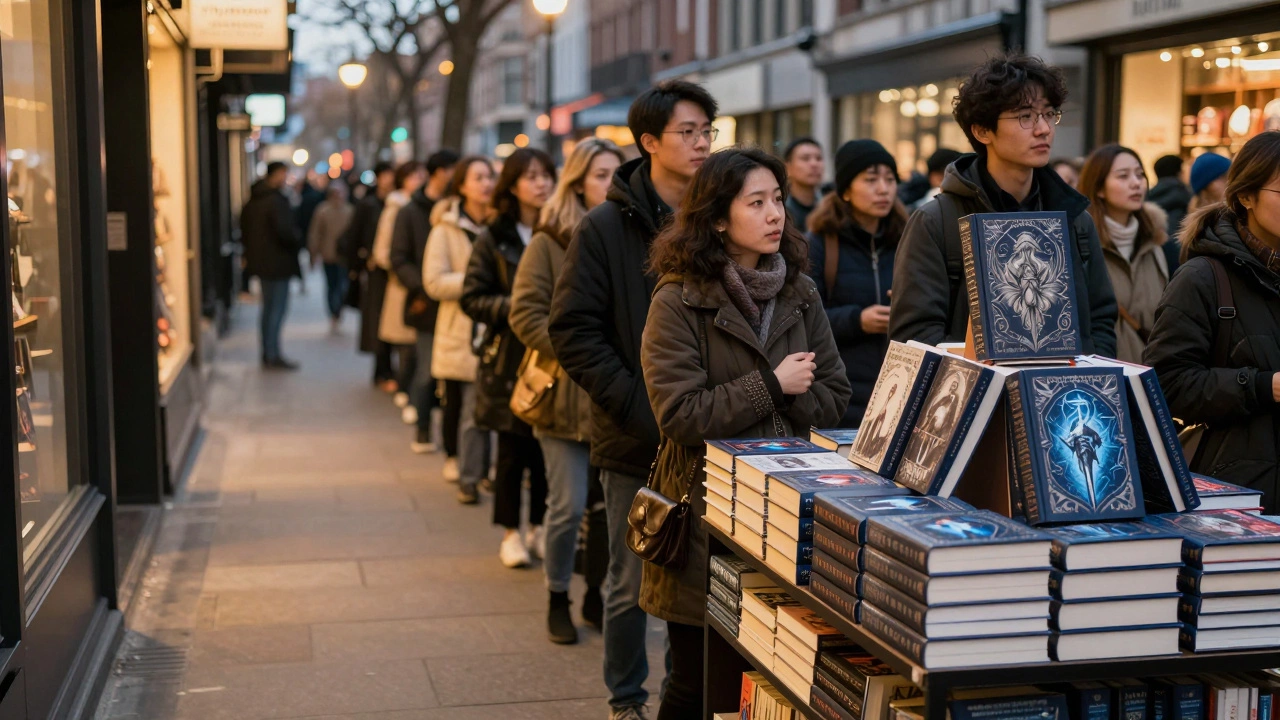
Rowling’s achievement stands out because it bridged generations. Before this series, few publishers believed young readers would drive such massive volume for high-priced hardcover novels. The release strategy in 1997 was traditional, relying on bookstore visibility and word-of-mouth. By the time Order of the Phoenix dropped in 2003, lines wrapped around city blocks in Sydney and London alike. That marketing momentum built a habit that keeps selling decades later.
How Children's Horror Competes
You cannot ignore Goosebumps. Published by Scholastic in the late 1990s, this line targeted middle-grade readers who wanted a spooky fix without the commitment of a full fantasy novel. R.L. Stine created nearly fifty distinct books under the umbrella brand. Because each book is standalone, the sales math works differently than with a sequential narrative like Harry Potter.
Some analysts argue that Goosebumps actually outsold Harry Potter in raw unit volume during the peak years of the 90s. The prices were lower, meaning parents bought them impulsively at newsstands. While Harry Potter requires a reader to commit to Book 1 to enjoy Book 2, a child could grab Welcome to Camp Nightmare without needing backstory. This accessibility drove those 400 million sales figures past competitors who relied strictly on loyalty loops.
The Young Adult Explosion
Fast forward to the 2000s and 2010s, where the genre shifted toward teenage romance and dystopia. The Twilight Saga by Stephenie Meyer changed how retailers stocked books. When vampires became a mainstream obsession in 2005-2008, sales jumped from niche to global phenomenon overnight. The series eventually surpassed 120 million copies sold worldwide.
Similarly, The Hunger Games by Suzanne Collins capitalized on the dystopian trend. With three core novels driving a massive movie adaptation cycle, it cemented itself as a modern classic. However, unlike Harry Potter, these series finished relatively quickly. They didn't span ten years of real-time publishing and reading. That longevity gap is why Harry Potter still tops the charts today. A series released between 1997 and 2007 had a longer runway to accumulate sales than anything released after 2010.
Factors Driving Massive Sales
Why do some titles dominate while others vanish? It comes down to three engines: storytelling, merchandise, and timing.
- Storytelling Depth: Readers stay loyal to a universe. If the world-building feels authentic, fans return. Tolkien set this precedent in the mid-20th century, proving a single cohesive lore can last generations.
- Cultural Timing: Launching a horror series right before Halloween boosts Goosebumps. Releasing a vampire saga when supernatural drama peaks on TV helps Twilight. Timing dictates the initial velocity of sales.
- Merchandise Ecosystem: This is critical in 2026. You aren't just selling paperbacks anymore. Lego sets, theme park lands, and streaming specials keep the IP alive between editions. Harry Potter benefits heavily from the Wizarding World of Harry Potter locations in Orlando and Universal Studios Japan.
Without these external drivers, a book series typically plateaus after its initial launch window. The ones that endure become part of childhood rituals passed down from siblings to nephews.
Understanding Sales Metrics
Data collection gets messy when you compare different eras. How do we account for audiobooks and e-books? Modern reporting includes digital downloads in the total count, whereas records from the 90s tracked physical distribution primarily. Libraries lend millions of copies annually, but lending doesn't count as a sale. This exclusion skews historical comparisons slightly.
Furthermore, "copies printed" versus "copies sold" creates confusion. Publishers order stock based on predictions. Unsold inventory returns to the publisher and never registers as a consumer sale. Organizations like Nielsen BookScan track point-of-sale data, providing accurate counts for the US and UK markets, but global estimates remain projections based on regional reporting.

The Australian Context
Living here in Sydney, the local reception offers unique insight. Australian readers engage deeply with fantasy genres, partly due to our own strong tradition of science fiction and horror writers like Trent Jamieson. Local bookshops still prioritize the "Bestseller Shelf" based on physical foot traffic rather than digital analytics alone. This ensures that when a series hits the shelves, community visibility reinforces sales.
The Publishing Industry in Australia supports localized editions. Translators work hard to maintain the tone across dialects. When Harry Potter arrived, it wasn't just imported British spelling; it adapted subtly to Australian English conventions, making it feel less foreign to younger students.
Future Trends in Serial Fiction
Looking ahead from this vantage point in 2026, we see a shift towards web serials and serialized novels. Traditional brick-and-mortar stores are stabilizing, but online platforms allow authors to release chapters daily. This model mimics the old newspaper serials. Does this threaten the traditional "series" definition?
Potentially. If a reader finishes a story via app subscription, do those downloads count towards the same sales records? Probably not under the current Guinness guidelines, which prefer ISBN-registered publications. However, the hunger for long-form serial stories remains constant. As long as humans crave connection to fictional worlds, someone will break the sales records again.