Religion & Myth: Sacred Texts, Origin Stories, and Cultural Narratives
When we talk about religion, a system of beliefs and practices centered around sacred truths and spiritual experience. Also known as faith tradition, it belief system, it shapes how millions live, mourn, celebrate, and make sense of the unknown. Religion doesn’t just give people rules—it gives them stories. And those stories? They’re not just about gods and rituals. They’re about where we came from, why bad things happen, and what it means to be human.
That’s where myth, a traditional story that explains natural phenomena, moral order, or human origins through symbolic meaning. Also known as origin story, it doesn’t need to be true to be powerful. Myths aren’t lies. They’re the emotional and cultural code behind civilizations. Think of the flood stories in the Bible, the Hindu tale of Vishnu saving the world, or the Greek myth of Demeter and Persephone explaining seasons. These aren’t just old tales—they’re the first attempts to answer the big questions: Why are we here? What happens when we die? How do we live well?
And then there’s cultural narrative, the shared story a group tells itself about who it is, where it came from, and what it values. Also known as collective memory, it’s what holds societies together—even in modern times. You see it in how nations celebrate independence, how families pass down traditions, or how movies and TV shows repeat certain themes. A cultural narrative doesn’t need to be factual. It just needs to feel true. That’s why the story of the Bible being the oldest sacred text still matters—even when we know the Quran came later, or that older texts like the Rigveda predate both.
People often ask: Is the Bible a myth? Is the Quran older than we think? Does it even matter if these stories are historical or symbolic? The answer isn’t about proof. It’s about meaning. These texts shape laws, holidays, art, and even how we raise our kids. They’re not just religious—they’re cultural DNA.
What you’ll find here isn’t a debate about who’s right. It’s a look at how these stories work. You’ll read clear timelines comparing sacred texts, unpack how myths teach morals without preaching, and see real examples of cultural narratives in action—from ancient temples to today’s viral memes. No jargon. No fluff. Just real answers to the questions people actually ask.
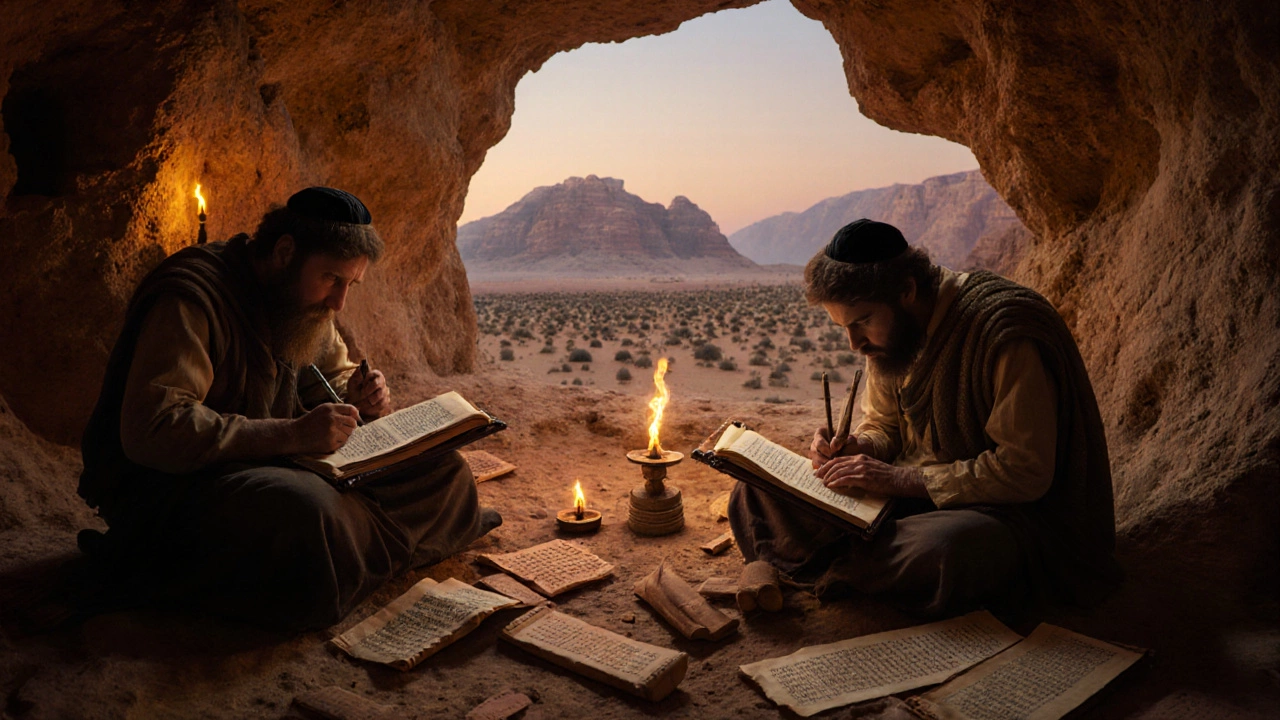
Which is older, the Quran or the Bible? A clear timeline of sacred texts
The Bible's oldest texts are over 2,700 years old, while the Quran was revealed in the 7th century CE. Learn the real timeline behind these sacred books and why the difference matters.
View More
Cultural Narrative Explained with Real-World Examples
Discover what a cultural narrative is, why it matters, and see real-world examples from myths to modern media-all explained in plain language.
View More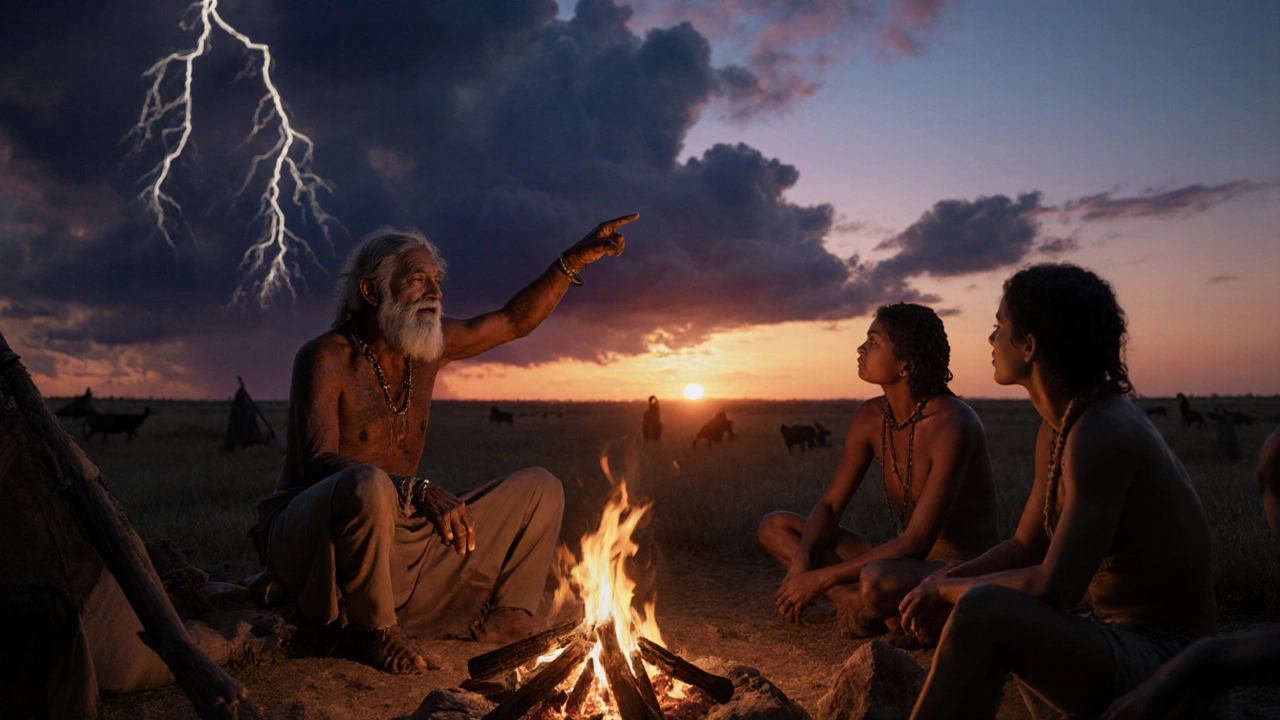
3 Core Questions Mythology Tries to Answer
Discover the three main purposes of mythology: explaining natural phenomena, teaching moral order, and revealing human origins. Learn how these goals shape culture and stay relevant today.
View More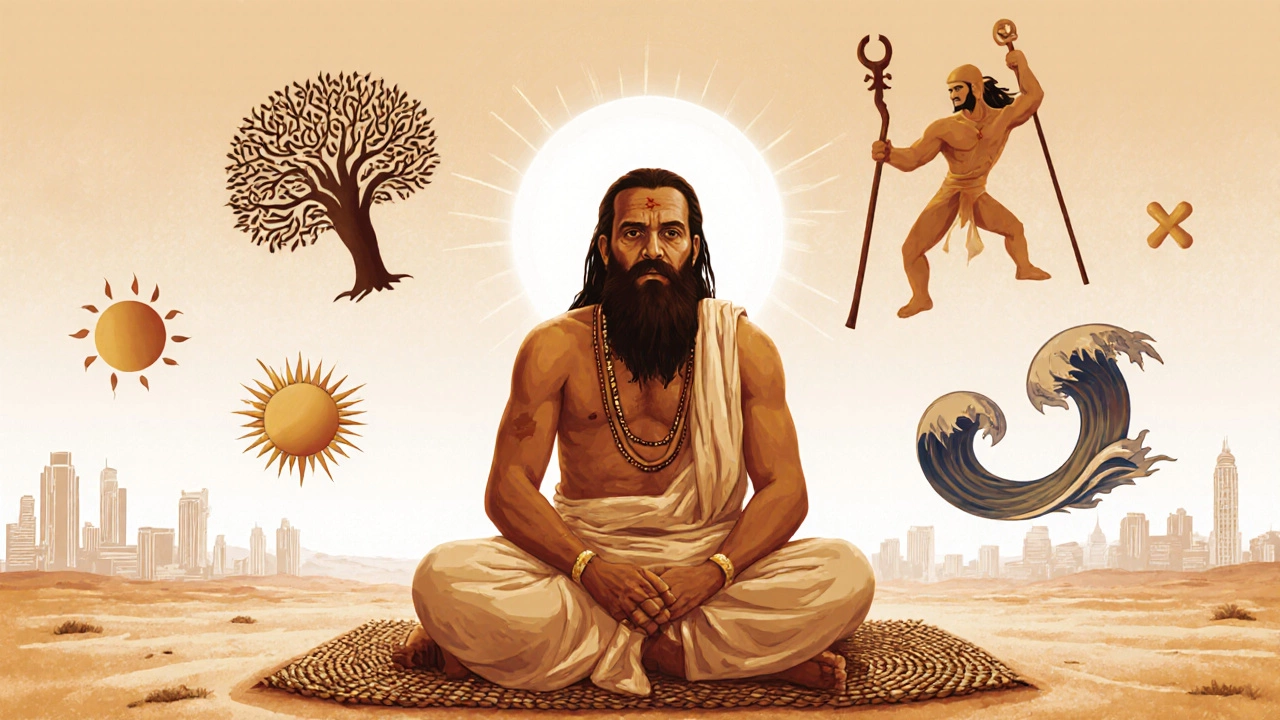
Is the Bible a Myth? Unpacking Fact, Fiction, and Faith
Explore whether the Bible is a myth by defining myth, reviewing archaeological evidence, and hearing scholarly views, all in plain, engaging language.
View More