Hook Generator
Creative Writer AidClick "Create Hook" to get started...
How to use this
Struggling with the first line? Generate a prompt, then expand it. Don't try to write the perfect paragraph—just start typing.
Finding the right opening line feels like trying to catch lightning in a bottle. You know the story needs to grip the reader instantly, but staring at a blank page often leads to silence instead of action. Many writers get stuck before their manuscript even reaches page one. The problem isn't lack of talent; it's usually a lack of direction on where to begin. Story Starters, however, act as launchpads. They bypass the paralysis of perfectionism and push you directly into the world you are building. For adventure narratives specifically, the stakes are higher. Readers expect movement, danger, and discovery from the very first sentence.
You do not need to reinvent the wheel to find a strong beginning. Some of the most memorable novels in history started with simple questions or shocking declarations. The goal is to create immediate tension. When you write an adventure, your Adventure Stories thrive on momentum. If the opening drags, the journey feels less thrilling before it begins. Using specific triggers can force your brain to generate plot points rather than just atmosphere.
The Mechanics of a Strong Hook
A great opening does more than set the scene; it establishes a contract with the reader. It promises that something important is happening right now. In the realm of fiction, we call this device a Plot Hook. Think of it as the barb that catches in the reader's mind, refusing to let go until the mystery is solved. Without this hook, readers often put the book down within the first few pages.
This element works best when it introduces conflict immediately. A character waking up in a peaceful meadow is fine, but a character waking up in a locked cage with a missing sword is better. The disparity between safety and danger creates curiosity. You want the audience to ask "Why?" or "How?" without needing to wait twenty chapters for the answer. This immediate curiosity drives them forward through the narrative structure.
Consider the relationship between the protagonist and their environment. A static setting allows for deep description, but an active setting forces decision-making. When you choose your opening moment, decide if the world itself is hostile. Is the weather fighting them? Is the society rejecting them? This contextual pressure adds layers to the initial scene beyond simple dialogue.
Common Types of Adventure Openings
Not every story starts the same way, and relying on one method can make your work feel repetitive. Varying your approach helps you understand what fits your specific plot best. Below are three proven structures that consistently drive engagement in high-stakes genres.
| Type | Best Used When... | Key Element |
|---|---|---|
| In Media Res | Action needs to start immediately | Movement and sensory details |
| Dialogue First | Character personality is key | Tone and hidden tension |
| Atmospheric Setting | The location is a character | Description and mood |
Detailed Breakdown of Opening Methods
One powerful technique is starting In Media Res. This Latin term means "into the middle of things." Instead of showing the calm before the storm, you drop the reader straight into the chaos. Imagine a ship battle where the opening sentence describes the water rushing over the deckboards. This method forces you to trust your instincts on how to explain backstory later. It prevents the common pitfall of info-dumping history before the plot kicks in.
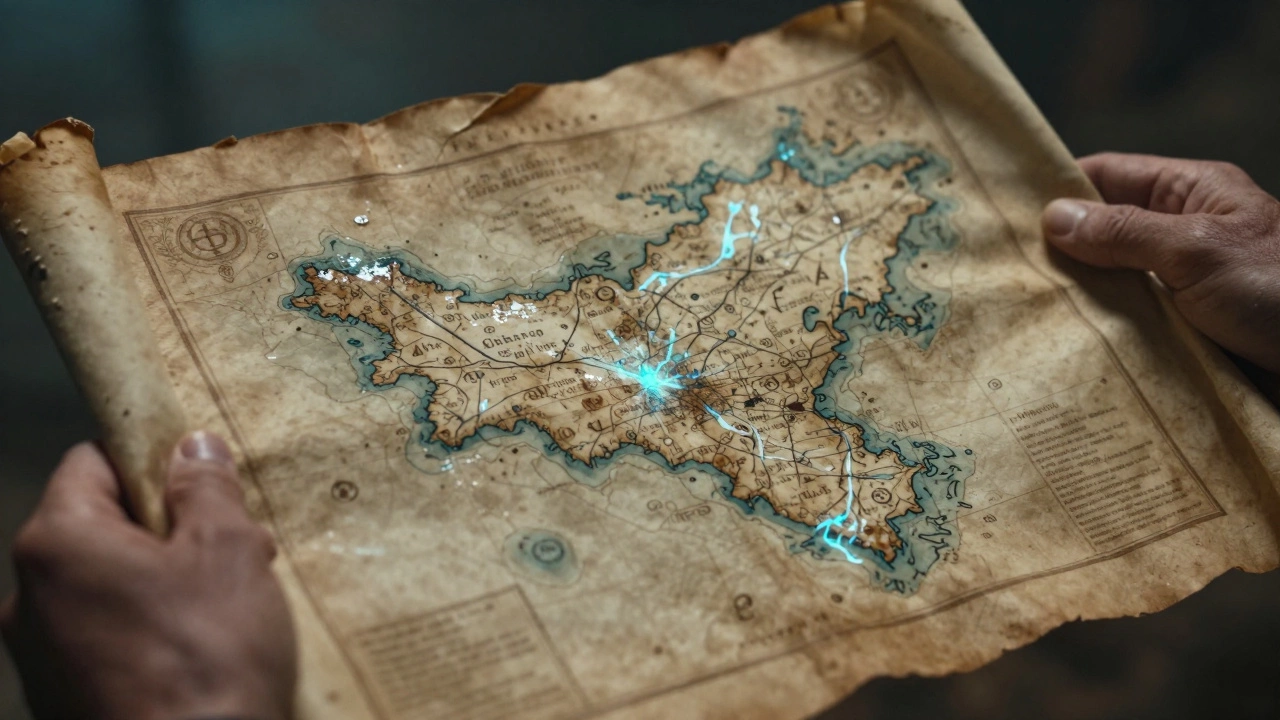
Another effective route involves focusing on an unusual possession. Give your hero an object early on that implies a story. Maybe they are holding a map that doesn't match any known geography, or a letter written in blood. Objects ground the abstract concept of adventure into something physical. This tactic also allows you to foreshadow future plot twists naturally without feeling forced.
Finally, consider starting with a lie. Your narrator might state something confidently that the reader later discovers is false. This creates an unreliable narrative voice that demands scrutiny. In adventure fiction, secrets are currency. Starting with deception signals to the audience that nothing is as it appears, raising the suspense level significantly.
Concrete Example Scenarios
Abstract advice is hard to apply without seeing it in action. Here are three specific prompts designed to spark immediate adventure drafts. You can copy these directly into your notes or rewrite them to fit your unique voice.
- The Map Error: "The ink was still wet on the parchment, which shouldn't have been possible since the merchant had been dead for three days." This sets up a mystery involving time, death, and geography simultaneously.
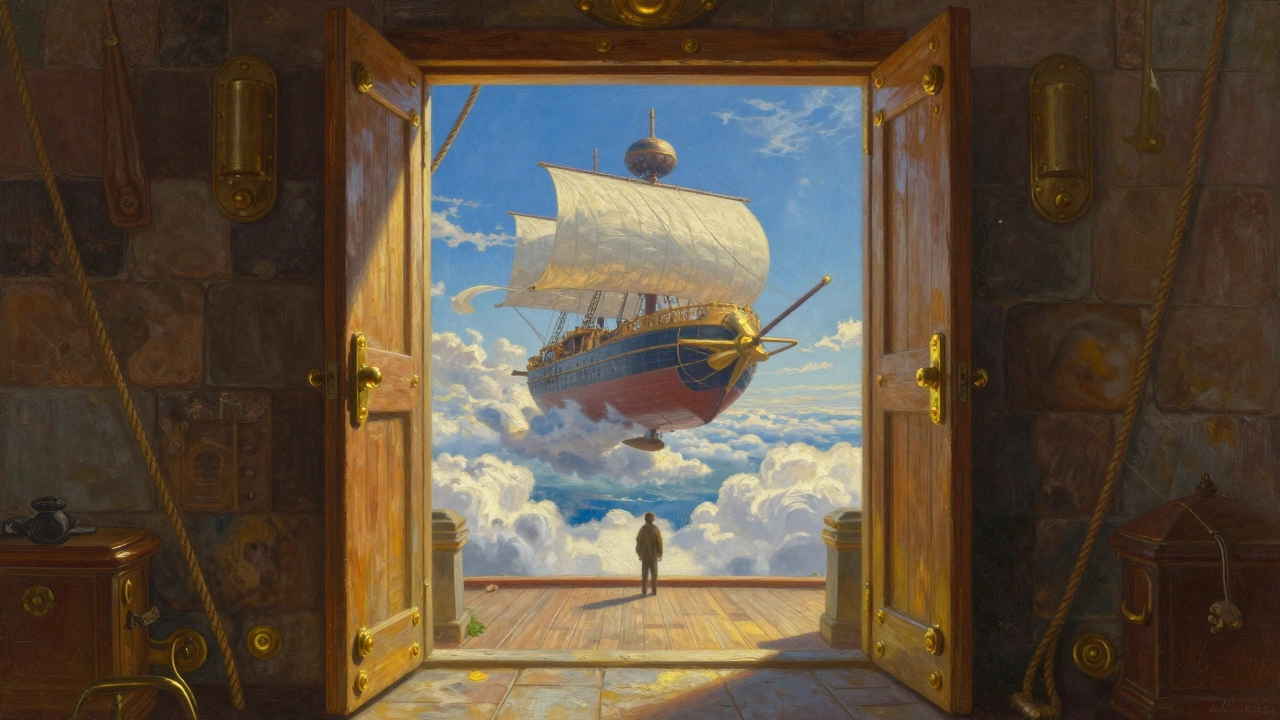
- The Wrong Door: "He pushed open the door expecting the tavern, but stepped instead onto the deck of a moving airship." This implies a mistake with physical consequences and changes the setting dynamics instantly.
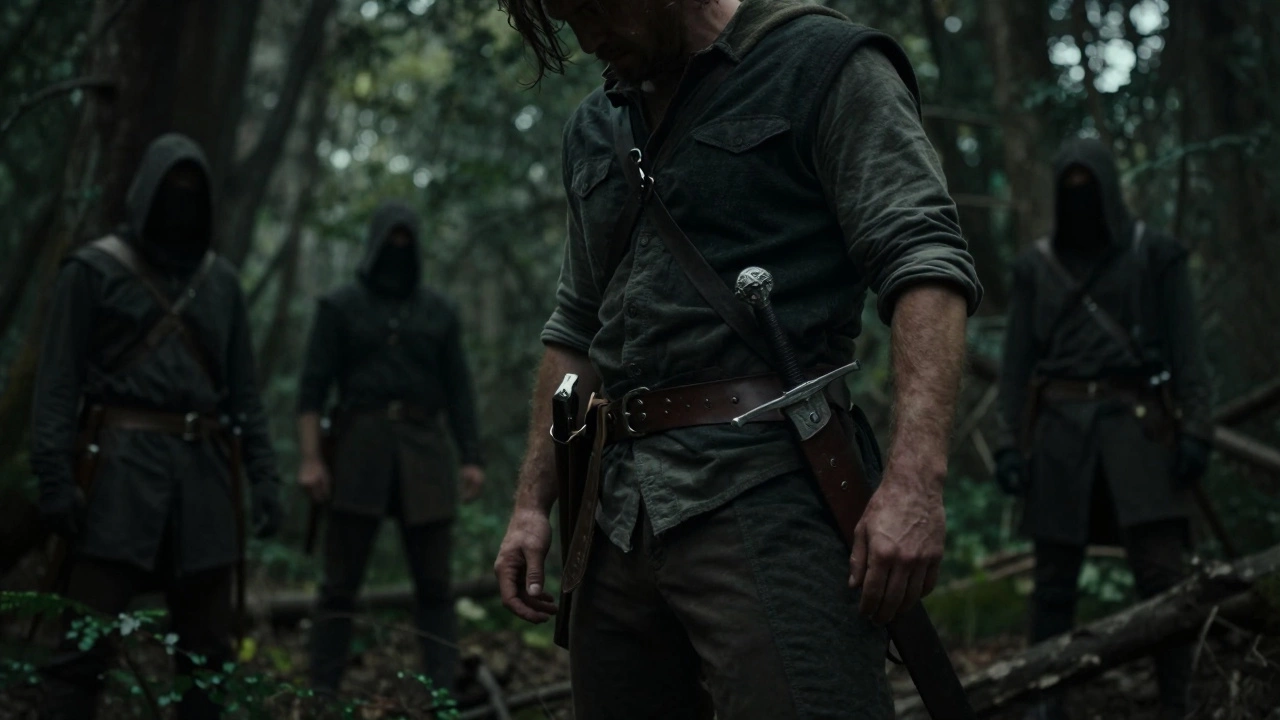
- The Missing Weapon: "It took ten seconds to realize his sword was gone, and fifty feet to realize he was standing in enemy territory." This places the protagonist in a vulnerable position requiring immediate tactical thinking.
Notice how each example ends with a question mark hanging in the air. The reader needs to figure out the solution. By keeping the protagonist reactive rather than proactive, you maintain tension. If they solve the problem too quickly, the threat dissolves. You want the opening to pose a problem that requires the entire chapter-or the whole book-to fix.
Pitfalls to Avoid in the First Chapter
Even with a great concept, execution matters. One major error is spending too much time on exposition. Do not stop to explain the magic system or the history of the kingdom on page one. The reader cares about the character surviving, not the encyclopedia entry of the world. Save the lore for the quiet moments once the adrenaline has settled.
Another trap is the alarm clock wake-up. Having a character wake up, brush their teeth, and make coffee is rarely compelling for an adventure story. Life moves fast in these narratives. Unless the routine is interrupted violently or strangely, skip it entirely. Start the scene with the interruption, not the sleep.
Furthermore, avoid generic names for places unless they serve a purpose. Names like 'Dark Castle' or 'Forest of Doom' feel cliché. Use specific, textured names that hint at history. 'Castle Voron' sounds lived-in; 'Dark Tower' sounds like a trope. Specificity breeds authenticity, and authenticity builds immersion.
Refining Your Draft
Once you have written your first attempt, read it aloud. Your ear often catches rhythm issues your eyes miss. Does the sentence drag? Cut unnecessary adjectives. Does the pacing feel rushed? Slow it down with sensory details. Good writing is finding the balance between speed and texture.
Check if your Narrative Voice remains consistent. If you switch between present tense and past tense randomly, it breaks the spell. Stick to one perspective. Also, ensure the emotional stakes match the physical stakes. If the character is running away from an army, their fear should feel palpable, not just described.
Feedback from peers is crucial here. Join a Writing Community to get objective reviews. Sometimes friends won't tell you your beginning is boring because they don't want to hurt your feelings. Strangers in a critique group will be honest about whether the hook lands. Use their data to refine your opening paragraphs until they click.
Practice Exercises for Momentum
To truly master the art of the beginning, treat it as a muscle. Try writing ten different first paragraphs for the same story outline. Most of them will fail, but one will probably hold a golden quality. This exercise removes the pressure of making the first version perfect.
Set a timer for fifteen minutes. Write a scene where the protagonist enters a new location and finds something unexpected. Do not edit during this phase. Just flow. Later, review what you wrote. Look for the strongest image and build the final version around that core memory. Frequent practice reduces the anxiety associated with the white screen.
Do I need to finish the whole story before starting?
No. You can write strong openings based on a basic premise. Knowing the general direction helps, but you do not need a fully completed outline. Starting the draft is often enough to reveal where the story wants to go.
Can I change the opening after finishing the book?
Absolutely. Many famous authors rewrite their first chapter multiple times during revision. The draft serves as a sketch, not the final painting. Adjusting the start ensures it aligns perfectly with the ending.
Is starting with dialogue a bad idea?
Not necessarily. Dialogue is risky if it feels unnatural, but it can be excellent if it reveals tension. Avoid greeting exchanges or small talk. Start with information exchange that implies danger or conflict.
How long should the first scene be?
There is no strict rule. Typically, one to two scenes are enough to establish the hook. If the first scene takes up forty pages, you risk losing momentum before the reader invests emotionally.
What if my opening is too slow for adventure?
Trim the descriptive language. Remove the weather reports unless they impact survival. Cut any history lessons that aren't necessary for immediate survival. Speed up the pace by having characters make decisions faster.