Cultural Authenticity Checker
Cultural Authenticity Evaluation
Evaluate your story against key principles from the article to ensure authentic cultural representation.
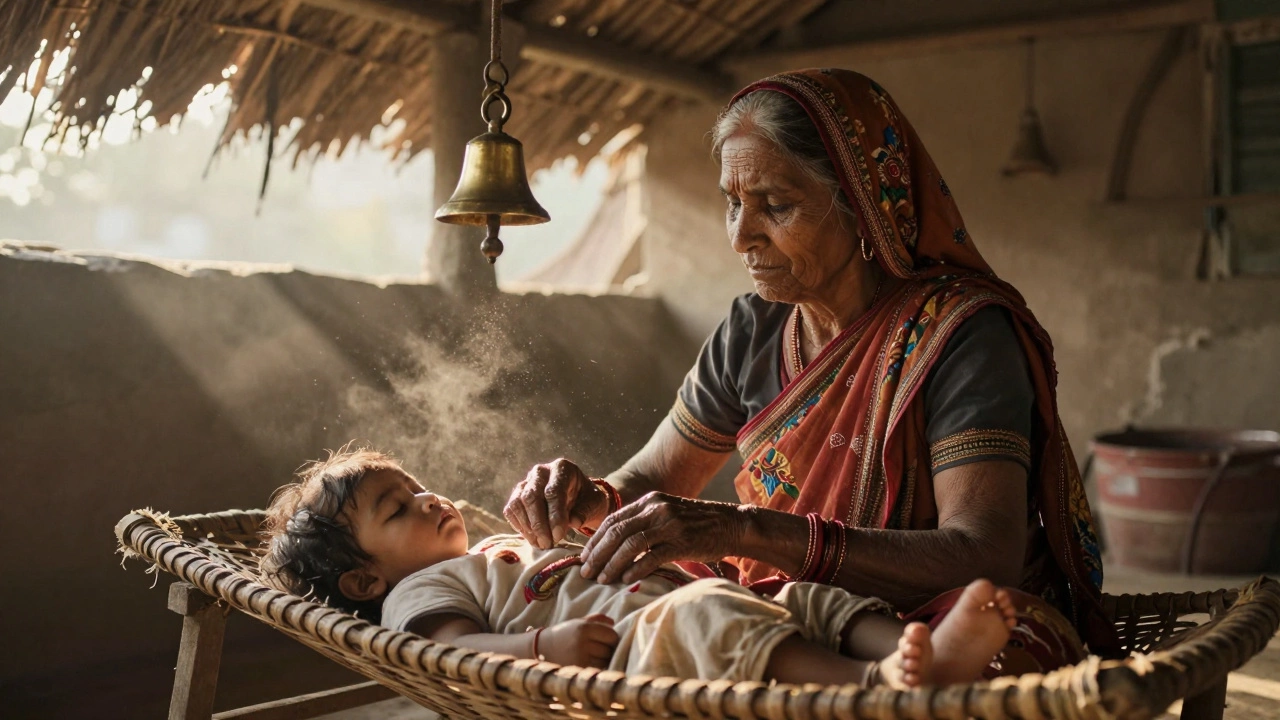
Writing a cultural story isn’t about adding spices to a plot or dropping in traditional costumes. It’s about understanding the rhythm of a people’s life-the way they speak when they’re angry, the silence they keep when they’re grieving, the unspoken rules that hold their world together. Too many stories get culture wrong because they treat it like a costume rack: pick a hat, a dish, a festival, and call it done. But real cultural stories live in the quiet moments-the way a grandmother hums a lullaby in a dialect no one writes down, or how a teenager sneaks out to meet friends because family honor says no, but love says yes.
Start with the roots, not the leaves
Before you write a single scene, ask: What shaped this community? Not just history books, but the daily grind. What did they farm? What did they trade? What did they fear? A story set in a fishing village in Kerala isn’t just about nets and monsoons. It’s about how debt from a bad season changes who gets to marry whom. It’s about how the youngest son, who never learned to swim, still carries his father’s boat to shore every morning because no one else will. Culture lives in responsibility, not ritual.
Don’t rely on Google searches or Wikipedia. Talk to people. Listen to oral histories. Read memoirs written by locals, not outsiders. If you’re writing about a Hmong family in Wisconsin, read The Spirit Catches You and You Fall Down by Anne Fadiman-not because it’s perfect, but because it shows how trauma, language, and belief collide in real time. That’s the texture you need.
Language isn’t decoration-it’s identity
When characters speak, their words should carry weight. A character from Oaxaca doesn’t just say “I’m tired.” They say, “My bones are heavy like wet corn.” That’s not poetic flair-it’s a metaphor born from generations of grinding maize by hand. The way people speak reveals their worldview. In some Pacific Islander communities, saying “I love you” directly is rare. Love is shown in how you share your last mango, how you sit silently beside someone who’s sick, how you never ask for thanks.
Don’t translate dialects into broken English. That’s condescending. Instead, use rhythm. Let sentences breathe. Let silence speak. Use repetition like a drumbeat. If a character’s grandmother repeats a phrase in Tagalog every morning before work, let it echo in the story. Let readers feel its weight, even if they don’t know the meaning. Context will carry it.
Conflict comes from belonging-and not belonging
Every strong cultural story has tension between tradition and change. But it’s never simple. A young woman in rural Senegal might want to go to university, but she doesn’t see it as rebellion. She sees it as honoring her mother’s sacrifice-the one who sold her wedding necklace to pay for school books. The conflict isn’t “girl vs. patriarchy.” It’s “how do I carry my mother’s hope without breaking my father’s heart?”
Don’t make characters villains because they uphold tradition. Make them human. The uncle who forbids the wedding? Maybe he lost his own wife young, and he’s terrified of loss again. The aunt who scolds the girl for wearing jeans? Maybe she remembers being beaten for wearing shorts in 1982. Culture isn’t a wall. It’s a thread-worn thin in places, stitched tight in others.
Detail is your anchor
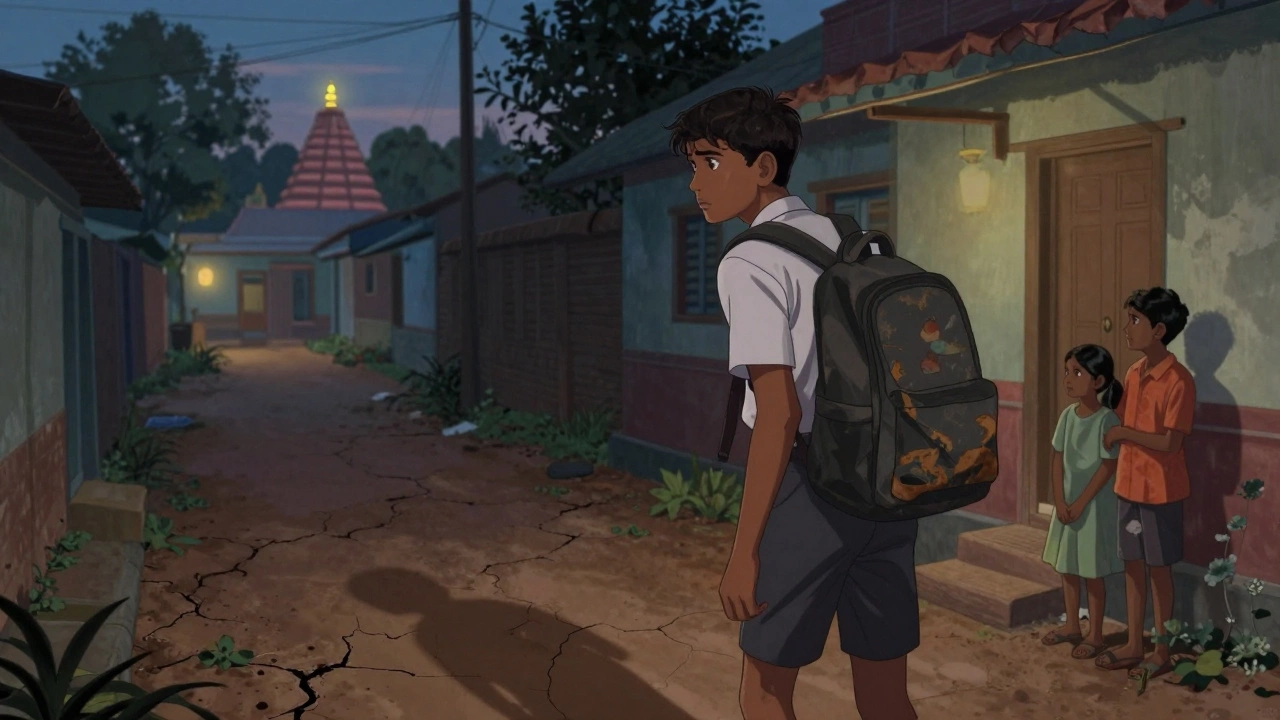
Forget “cultural elements.” Focus on sensory truth. What does the air smell like before the harvest festival? Not “incense.” Maybe it’s burnt rice husks, damp earth, and the sharp sting of tamarind paste on a child’s fingers. What does the floor feel like under bare feet? Not “wood.” Maybe it’s cracked tile, still warm from the sun, with a patch of moss growing between the cracks because no one’s bothered to fix it.
These details aren’t set dressing. They’re emotional cues. A character who never takes off their shoes inside the house? That’s not quirky-it’s respect. A family that never eats dinner before the moon rises? That’s not superstition-it’s survival. In some desert communities, eating before dark means you risk the heat stealing your food before you can finish. That’s not myth. That’s memory.
Don’t speak for them-listen to them
If you’re not part of the culture you’re writing about, your job isn’t to explain it. It’s to honor it. Ask yourself: Am I telling this story because I have to, or because someone asked me to? If you’re writing about a Navajo community, and you’ve never met a Navajo person, you’re not ready. If you’re writing about a refugee camp in Jordan, and your only source is a news article from 2018, you’re not ready.
Find cultural consultants. Pay them. Don’t ask for free advice. This isn’t charity-it’s ethics. A good consultant won’t just say “that’s wrong.” They’ll say, “Here’s how a mother in this village would hold her child after the funeral. Here’s the song they sing. Here’s why they don’t cry out loud.” That’s the gold.

Let the story breathe without explanation
Never stop to explain. Don’t write: “In their culture, it was customary to…” That’s an info dump. Show it. Let the reader figure it out. If a character gives a gift wrapped in newspaper and tied with twine, and no one comments on it, that’s the rule. If the next character does the same thing two chapters later, that’s the pattern. Culture doesn’t announce itself. It repeats.
Read Toni Morrison’s Beloved. She never says, “This is how enslaved people mourned.” She shows a woman rocking a child who’s not there, humming a tune no one else remembers. The reader feels the grief without being told. That’s mastery.
What happens when you get it wrong?
Bad cultural stories don’t just miss the mark-they erase. They turn complex identities into stereotypes. They make a whole people’s history into a backdrop for someone else’s hero’s journey. They reduce centuries of struggle to a single costume party.
There’s a reason so many readers from marginalized cultures feel exhausted by stories about them. They’ve seen the same tropes: the wise elder, the mystical native, the poor but noble victim. These aren’t just lazy. They’re violent. They tell the world that their pain is only interesting when it’s pretty, when it’s quiet, when it serves someone else’s narrative.
Writing a cultural story isn’t about checking boxes. It’s about carrying a responsibility. You’re not just telling a story. You’re holding space for someone else’s truth. And if you’re not ready to hold it with care, then you shouldn’t write it at all.
Start small. Start true.
You don’t need to write an epic. Start with one moment. One kitchen. One handshake. One song. Write about the way a mother in Bangladesh folds her daughter’s school uniform so the crease stays sharp-even though she’s never worn a shirt with a collar herself. Write about the way a boy in Lagos whispers his prayers into a tin can because the mosque is too far, and his father says God hears better through metal.
Those moments don’t need grand settings. They need honesty. And honesty? That’s the most cultural thing of all.