Bible Fiction or Nonfiction: What Kind of Book Is It Really?
When people ask if the Bible, a collection of ancient religious texts central to Christianity and Judaism. Also known as Holy Scripture, it is one of the most widely read, debated, and distributed books in human history. is fiction or nonfiction, they’re asking the wrong question. The Bible doesn’t fit neatly into either box. It’s not a novel, but it has stories. It’s not a history textbook, but it records events people believed happened. It’s not a scientific report, but it shaped how generations understood the world. This confusion isn’t a flaw—it’s why the Bible still matters today, whether you read it for faith, culture, or storytelling.
Think about the Book of Genesis. Adam and Eve, the Garden of Eden, the Flood—these are powerful narratives that have influenced art, law, and morality for thousands of years. Are they true? That depends on what you mean by true. For many, they carry spiritual truth. For scholars, they reflect ancient Near Eastern myths adapted into a unique religious framework. Then there are the Gospels—biographical accounts of Jesus that mix eyewitness memory, theological interpretation, and oral tradition. They’re not modern journalism, but they’re not fantasy either. The Bible includes poetry (Psalms), prophecy (Isaiah), letters (Paul’s epistles), and even legal codes (Leviticus). It’s a library, not a single book. And that’s why you’ll find it on shelves beside novels, history books, and philosophy texts.
What makes the Bible unique is how it’s used. People read it to find meaning, to argue doctrine, to comfort the grieving, or to study ancient languages. Some treat it as literal history. Others see it as metaphorical wisdom. Writers borrow its stories to build fictional worlds—like in Bible fiction, where characters from scripture are reimagined in modern settings or speculative scenarios. Meanwhile, scholars dig into its historical layers, trying to separate what might have happened from what was written to inspire belief. You’ll find books that analyze its language, its cultural impact, and even its theft rates—yes, the Bible is the most stolen book in the world, not because it’s valuable, but because it’s everywhere and often given away for free.
So when you see a book labeled "Bible fiction" or "Biblical nonfiction," you’re seeing two sides of the same coin. One tries to tell the stories as if they’re real events. The other tries to explain how and why those stories came to be. Neither gets the whole picture. The real question isn’t whether the Bible is fiction or nonfiction—it’s what you’re looking for when you open it. Are you seeking truth? Comfort? Understanding? Or just a good story? The answer shapes how you read it—and that’s where the real discovery begins.
Below, you’ll find posts that explore the Bible’s role in culture, its place in literature, how it compares to other sacred texts, and why it keeps showing up in unexpected places—from library theft reports to bestseller lists. Whether you’re curious, skeptical, or faithful, there’s something here for you.
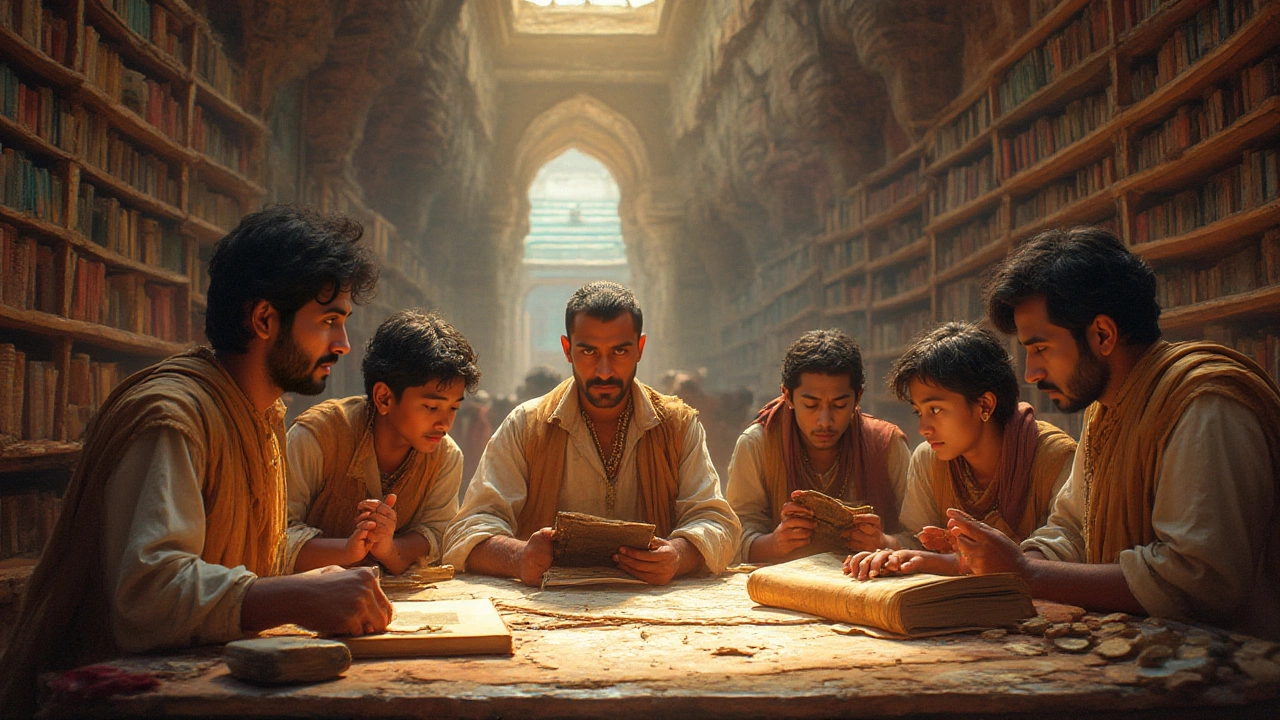
Bible: Historical Fact or Fiction? Exploring Ancient Texts and Truths
Does the Bible read like a history book or fantasy novel? Dive deep into archaeology, scholarship, and historical records to unlock what’s truly behind the Bible’s stories.
View More