Bildungsroman Stages: How Coming-of-Age Stories Really Work
When you think of a bildungsroman, a type of novel focused on the psychological and moral growth of a protagonist from youth to adulthood. Also known as a coming-of-age story, it’s not just about growing older—it’s about becoming someone who understands the world, and themselves, in a deeper way. This isn’t just a genre. It’s a structure that’s been shaping stories for over 200 years, from Goethe’s Wilhelm Meister to modern books like The Catcher in the Rye and Normal People. The real power of a bildungsroman isn’t in the events—it’s in how the character changes because of them.
There are clear bildungsroman stages most stories follow, even if they don’t announce it. First, the character starts in a world that feels normal but is actually limiting—maybe a small town, a strict family, or a school that crushes individuality. Then something breaks: a loss, a move, a betrayal, or just the quiet realization that things can’t stay this way. That’s the call to leave. Next comes the journey—not always physical, but always emotional. They meet people who challenge them, make mistakes that hurt, and slowly start to question what they were taught. Along the way, they face internal conflict: Who am I? What do I believe? Who do I want to become? Finally, they don’t always ‘win.’ But they gain something more valuable: self-awareness. That’s the end. Not a trophy, but a quiet understanding.
This structure shows up everywhere—not just in classic novels, but in how we talk about real life. Think of the kid who leaves home for college and comes back different. Or the teenager who finds their voice through writing. These aren’t just personal stories—they’re modern bildungsromans. And that’s why they stick with us. We see ourselves in them. The character development, the process by which a fictional character evolves in complexity and depth over the course of a narrative in these stories isn’t decorative. It’s the whole point. The literary fiction, a category of novels prioritizing character depth, thematic nuance, and stylistic innovation over plot-driven entertainment that uses this structure doesn’t chase thrills. It chases truth. That’s why you’ll find these stories in the same collections as essays on cultural narratives, book review structures, and the core focus of meaningful storytelling. They’re all asking the same question: What does it mean to become?
Below, you’ll find posts that dig into exactly this—how stories are built, how readers connect with them, and why some characters stay with us long after the last page. Whether it’s how to start an adventure story, what makes a narrative truly stick, or how to write a review that captures real impact—these aren’t random picks. They’re all connected by one thing: the human journey behind the words.
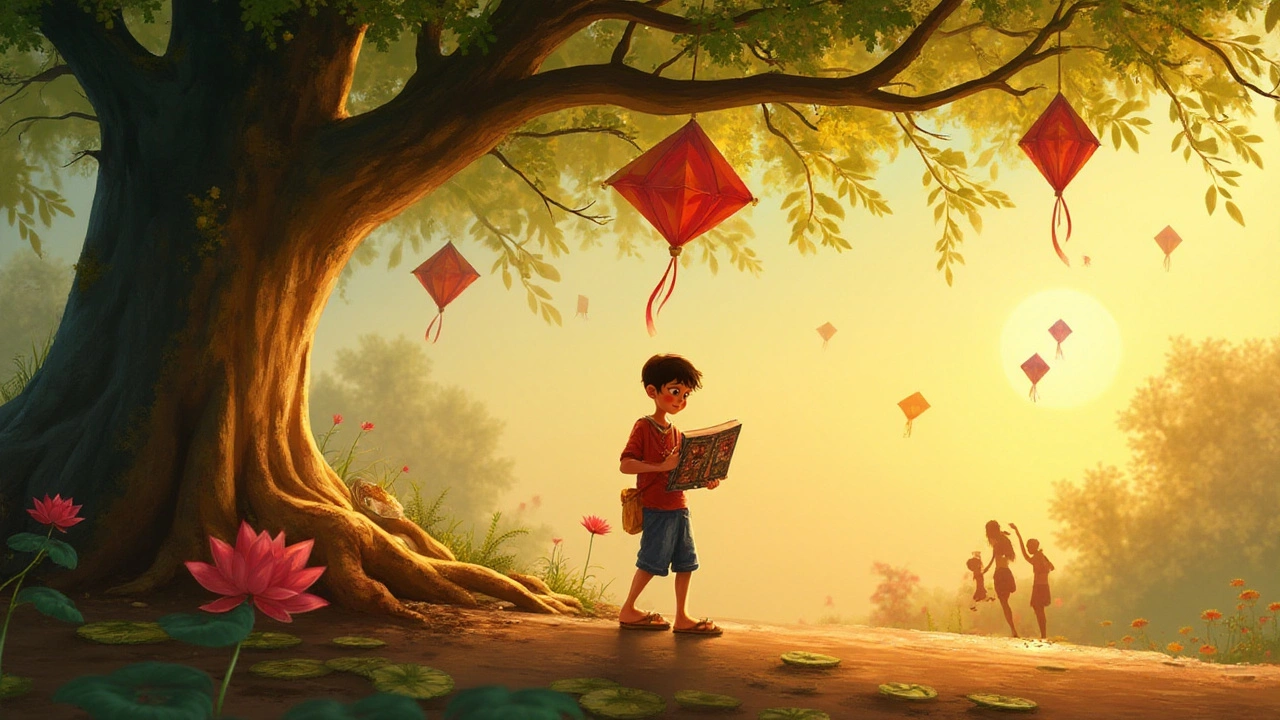
Exploring the Four Stages of a Bildungsroman: An In-Depth Literary Journey
A bildungsroman, or coming-of-age story, is a literary genre that traces a character's growth from youth to adulthood. This article delves into the four essential stages of this genre: childhood, adolescence, adulthood, and self-discovery. Readers will understand how each stage serves as a crucial part of a character's journey. The article also provides insights into the significance and impact of these stages, making it a valuable resource for literature enthusiasts.
View More