Dune analysis: Understanding the themes, world, and impact of Frank Herbert's masterpiece
When you hear Dune, Frank Herbert’s groundbreaking science fiction novel that reshaped the genre with its depth, politics, and ecological vision. Also known as the greatest sci-fi epic ever written, it isn’t just a story about space empires and giant worms—it’s a layered exploration of power, religion, and human survival. First published in 1965, Dune didn’t just sell well—it changed how we think about futuristic worlds. Unlike other sci-fi of its time, it didn’t focus on flashy tech or alien invasions. Instead, it asked hard questions: Who gets to control water on a desert planet? What happens when a messiah is manufactured by politics? Why do people follow leaders who promise salvation but deliver control?
One of the most talked-about parts of Dune analysis is its worldbuilding, the intricate, believable system of ecology, culture, and economics Herbert built from scratch. It’s not just sand and spice—it’s a fully functioning society where water is currency, religion is a tool of control, and the spice melange is the most valuable substance in the universe. This isn’t fantasy. It’s speculative science grounded in real-world resource wars and colonial exploitation. The Fremen, the native people of Arrakis, aren’t exotic side characters—they’re the heart of the story, shaped by their environment and fighting for autonomy. And then there’s the ecological theme, the idea that humans can’t dominate nature—they must learn to live within it. Herbert didn’t preach. He showed how a planet can change a people, and how people can change a planet.
Dune analysis also uncovers how the book predicted modern issues: misinformation disguised as prophecy, the rise of charismatic cult leaders, and the dangers of relying on a single resource. It’s not a book about spaceships—it’s a book about systems. Systems of power. Systems of belief. Systems that break when pushed too far. That’s why, over 50 years later, people still read it, teach it, and argue about it. You won’t find easy answers in Dune. But you’ll find questions that stick with you long after the last page.
Below, you’ll find posts that dig into the same kinds of deep, thoughtful ideas—from how cultural narratives shape stories like Dune, to what makes a narrative truly unforgettable, to how real-world systems mirror fictional ones. This isn’t just about one book. It’s about why the best stories last.
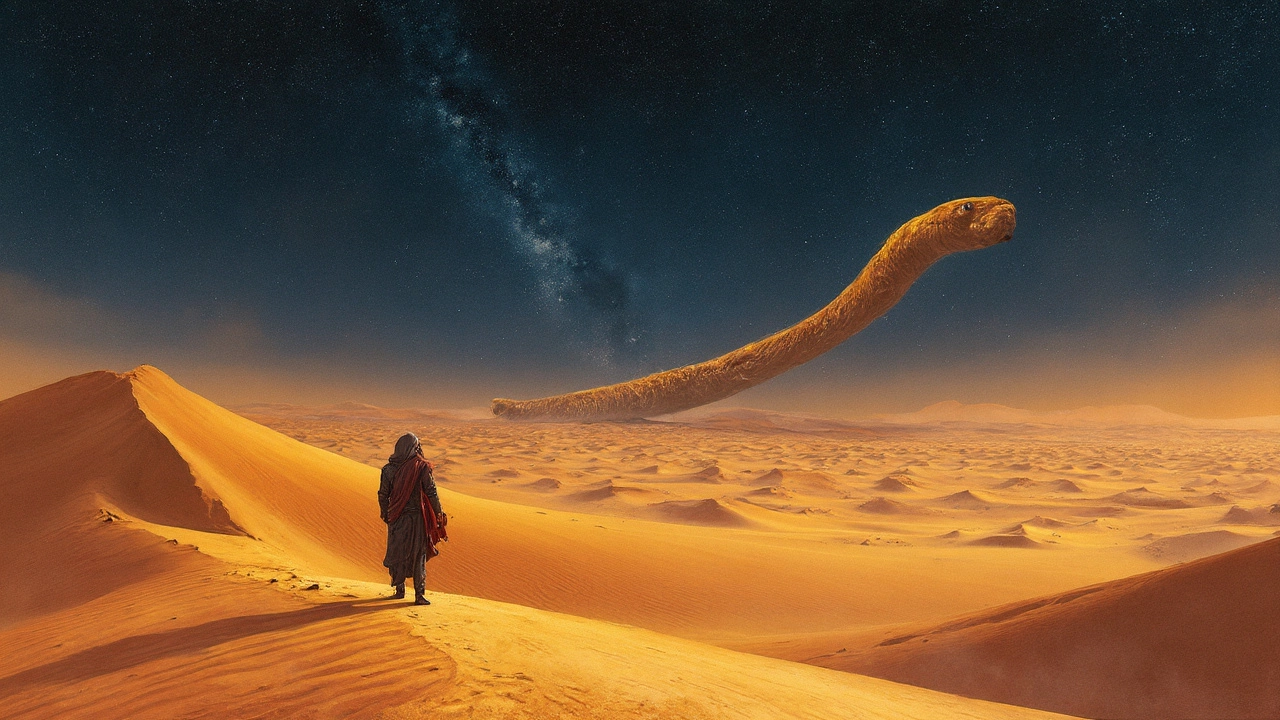
Is Dune Really Sci-Fi or is it Fantasy?
Is 'Dune' a classic tale of science fiction or does it blur the lines into fantasy? This deep dive explores the elements of both genres present in Frank Herbert's iconic series, examining its setting, themes, and characters. We look at how 'Dune' challenges traditional genre barriers while weaving environmental themes and complex political intrigue. The article delves into its mythological roots and the role of technology and mysticism in the story.
View More