Emily Brontë: The Writer Behind Wuthering Heights and Her Lasting Impact on Literature
When you think of Emily Brontë, the reclusive 19th-century English writer who penned one of the most intense novels ever written. Also known as Ellis Bell, the pseudonym she used to publish her only novel, she didn’t write to be famous—she wrote because the storm inside her demanded an outlet. Her book, Wuthering Heights, a dark, passionate tale of revenge, love, and the wild moors of Yorkshire, came out in 1847 and didn’t just shock readers—it changed what a novel could be. Unlike the polite social dramas of her time, her story had howling winds, broken souls, and a love so fierce it outlasted death.
She wasn’t alone in her family’s literary ambition. Her sisters, Charlotte Brontë, author of Jane Eyre and Emily’s older sister, and Anne Brontë, who wrote Agnes Grey and The Tenant of Wildfell Hall, were also novelists. But Emily was different. She didn’t care about pleasing critics or following rules. She wrote from a place of raw emotion, shaped by the isolation of Haworth Parsonage and the endless, wind-swept moors around her. That’s why Wuthering Heights still feels so alive—it doesn’t try to explain its characters. It lets them scream, suffer, and burn across the page.
Her work sits at the crossroads of Gothic fiction, a genre built on mystery, dread, and the supernatural, and Victorian literature, the era’s dominant style, which often focused on morality and social order. But Emily didn’t follow either. She took the gloom of Gothic tales and the structure of Victorian novels and twisted them into something entirely her own. No other writer of her time gave us a hero like Heathcliff—a man who is both monster and martyr, lover and destroyer.
People still argue about whether Heathcliff is evil or broken. Whether Catherine’s love is noble or selfish. Whether the ending offers peace or just more pain. That’s the power of her writing—it doesn’t give answers. It asks questions that stick with you long after you turn the last page. And while her life was short—she died at 30—her voice still echoes louder than most authors who lived twice as long.
Below, you’ll find posts that dig into the world around her work: from book review sites where readers still debate Wuthering Heights, to the history of how books like hers were published, to the deeper themes that make her stories unforgettable. Whether you’re reading her for the first time or revisiting her after years, these pieces will help you see why Emily Brontë still owns a corner of every reader’s heart.
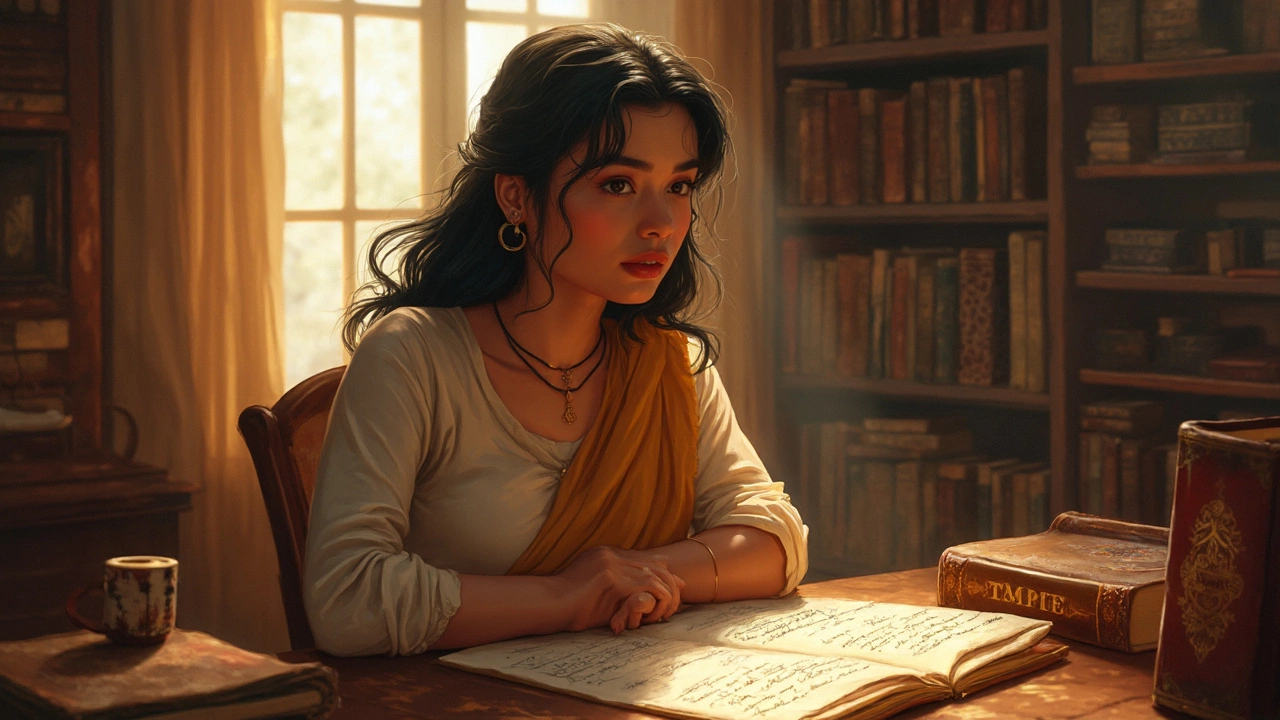
What Female Author Only Wrote One Book? The Surprising Story Behind a Romantic Classic
Ever wondered if a single book could make someone famous forever? This article explores the curious case of a female author who wrote only one romantic novel that still gets everyone talking. We dig into why she never published anything else, the impact of her work, and how her story connects with readers today. It’s a deep dive for anyone who loves a good romance and a bit of literary mystery. Get ready for real tips on how one book alone can shake up romance fiction.
View More