First Name: What It Means, Why It Matters, and How It Shapes Stories
When you hear someone say their first name, the personal name given at birth or early life, often used to express individual identity. Also known as given name, it's the first thing people learn about you—and often the only thing they remember. It’s not just a label. It’s a signal. A cultural artifact. A quiet promise. In India, a first name might carry the weight of a grandparent’s hope, a religious tradition, or a regional dialect. In the U.S., it might reflect a trend from pop culture or a family’s desire to stand out. But no matter where you’re from, your first name is the opening line of your story.
That story doesn’t stop at you. First names shape how books are written, how characters are remembered, and even how readers connect. Think about the most unforgettable characters in literature: Harry Potter, Katniss Everdeen, Arjun from Indian novels—they don’t just have names. Their names feel right. They carry meaning. That’s why writers spend weeks choosing a name. A name like "Rohan" isn’t random—it echoes Indian roots, sounds approachable, and sticks in the mind. And when a book title includes a name—like first name in "The First Name of Hope"—it instantly personalizes the whole thing. Names are emotional anchors. They trigger memory, belonging, and sometimes, resistance.
It’s not just about identity—it’s about power. A name can open doors or shut them. Studies show job applicants with "Western-sounding" names get more callbacks, even with identical resumes. In schools, teachers remember kids with "common" names faster. And in storytelling, a name can make a character feel real—or fake. That’s why the most powerful narratives often use names that feel true to culture, class, and time. You’ll see this in posts here: how names appear in cultural narratives, how they’re used in adventure stories, and even how they show up in book reviews when readers say, "I couldn’t connect with the main character because her name felt off."
What You’ll Find in This Collection
Here, you’ll find real examples of how first names show up in books, in history, and in the lives of real people. You’ll learn why the Bible is the most stolen book—not because of its value, but because it’s everywhere, like a name you hear every day. You’ll see how cultural narratives use names to build collective memory. You’ll understand why some names become timeless, while others fade. And you’ll get tips on choosing names for your own stories—whether you’re writing a novel, a review, or just journaling. This isn’t about name meanings from baby books. It’s about the quiet force behind every name you’ve ever known—and how it echoes in the stories we read, write, and live.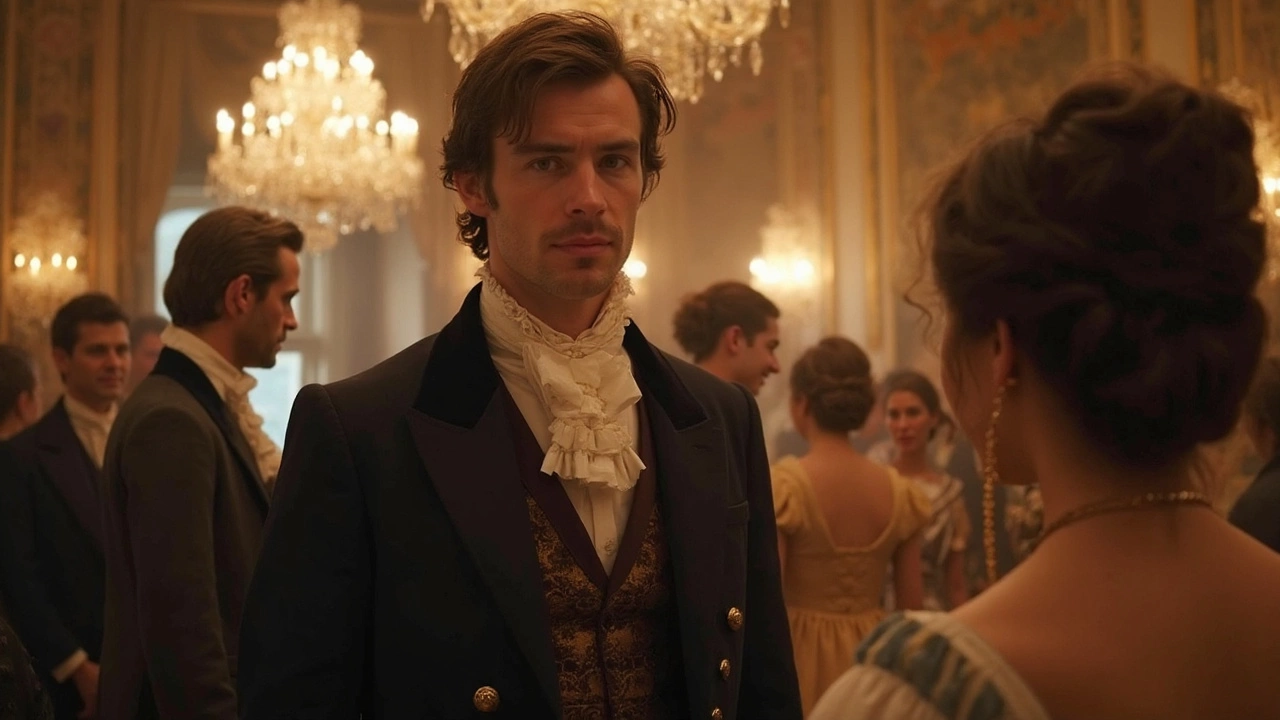
Discover Mr. Darcy's First Name in Austen's Iconic Novel
Ever wondered what Mr. Darcy's first name is? Dive into the world of Jane Austen's 'Pride and Prejudice' to uncover this tidbit about one of literature's most beloved characters. We'll explore the importance of his name and share fascinating insights. For fans and newcomers alike, it's an intriguing peek into Austen's classic work.
View More