Generational Comparison: How Different Ages See Books, Reading, and Stories
When we talk about generational comparison, the way different age groups experience, value, and interact with books and reading. Also known as age-based reading patterns, it’s not just about who reads more—it’s about why they read, how they find books, and what stories stick with them.
Take the digital vs print, the divide between physical books and screen-based reading. Also known as format preference, it’s not just a tech issue—it’s a cultural one. Older readers often grew up with libraries, bookshelves, and the smell of paper. They remember waiting for the next installment of a serial novel. Younger readers? They swipe through Goodreads, get alerts for new releases, and read on buses with audiobooks playing. One isn’t better—it’s just different. And that difference shows up in how they review books, share recommendations, and even what they consider a "great story."
Then there’s reading habits, the routines, rituals, and reasons people pick up a book. Also known as daily reading behavior, this changes across decades. Grandparents might read one book a month, slowly, with a cup of tea. Gen Z might finish three in a week using a reading app that tracks progress like a game. The generational comparison isn’t about who’s "more serious"—it’s about what tools and environments shaped their relationship with stories. One group trusts a printed review in a newspaper. Another trusts a five-star rating from a stranger on a phone screen. And it’s not just about the medium. It’s about the meaning. Older generations often saw books as gateways to education, escape, or moral lessons. Younger readers see them as identity signals—what you read says who you are. That’s why cultural narratives, like those in cultural narrative, shared stories that shape how a group sees itself. Also known as collective storytelling, it’s why a book like The Timekeeper’s Daughter becomes a phenomenon in 2024. It doesn’t just entertain—it reflects a moment, a mood, a generation’s unspoken fears and hopes. What’s clear? The way we read is shaped by the world we grew up in. But the hunger for stories? That hasn’t changed. Whether it’s a Gideon Bible in a hotel drawer or a Kindle with 200 unread titles, people still turn to books when they want to feel less alone. The tools shift. The platforms change. The need? Still the same. Below, you’ll find real insights from posts that dig into how different generations interact with books—what they read, where they find them, and what they believe makes a story worth remembering. No fluff. Just what people are actually doing, thinking, and feeling about reading today.
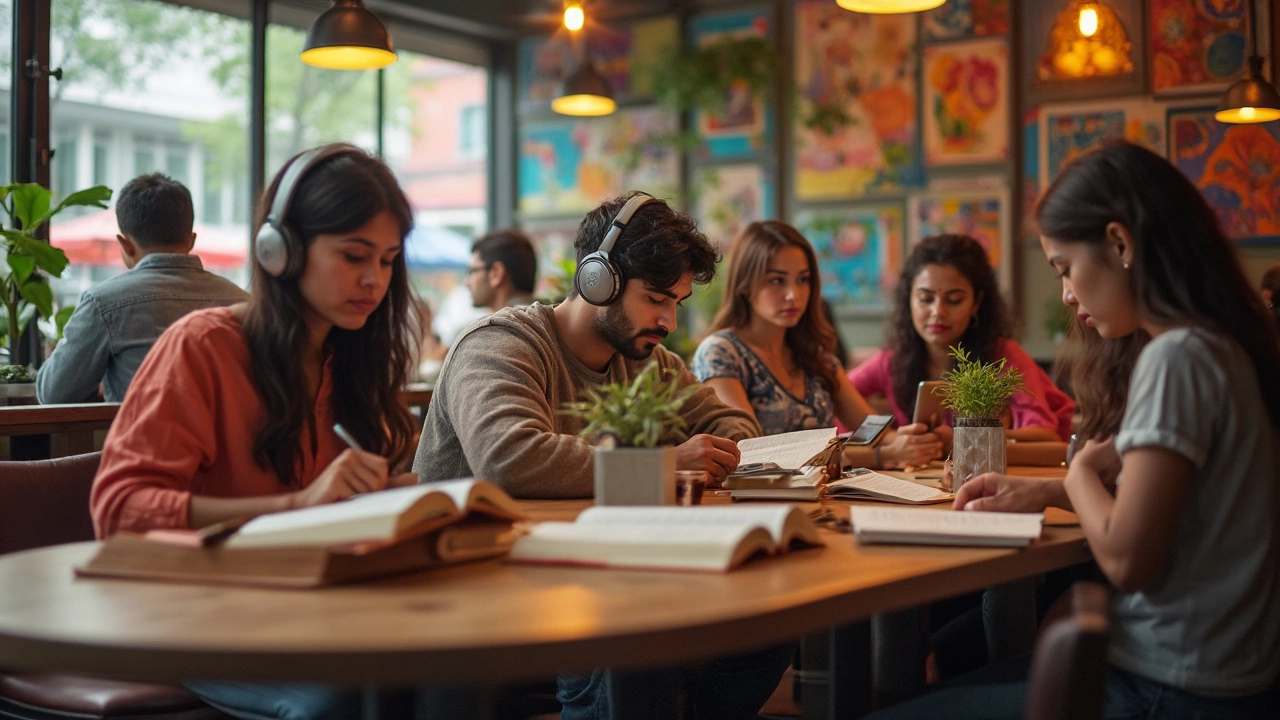
Do Millennials Read More? Debunking the Stereotype
Are Millennials really reading more than other generations, or is it just hype? This article digs into real stats, compares reading habits, and looks at what Millennials actually read—plus how and why their habits are changing. Get to know cool facts about eBooks, audiobooks, and social reading. You'll also find tips for anyone looking to read more, whether on paper or a screen. Find out what sets Millennials apart in the reading game right now.
View More