Grotesque Literature: Dark, Strange, and Unsettling Stories That Stick
When you think of grotesque literature, a genre that twists beauty into something disturbing, often using exaggerated or deformed characters to reveal deeper truths about society and human nature. Also known as dark fiction, it doesn’t just scare you—it makes you feel uneasy in a way you can’t shake. Think of a character whose face melts slowly while they smile, or a family that eats their own reflections because they believe it will make them perfect. This isn’t fantasy. It’s grotesque literature—where the body breaks, the mind unravels, and the line between horror and truth disappears.
This kind of writing isn’t just about shock. It’s about honesty. Writers like Franz Kafka, Flannery O’Connor, and Shirley Jackson used the grotesque to expose hypocrisy, fear, and loneliness. Kafka’s Gregor Samsa turning into a giant insect isn’t a monster story—it’s a story about being trapped in a life that doesn’t want you. O’Connor’s characters often meet violent ends not because they’re evil, but because they refuse to see their own flaws. The grotesque doesn’t hide behind monsters. It hides in plain sight—in the quiet moments when someone says something cruel and calls it love.
You’ll find body horror, a subgenre where physical transformation or decay becomes a metaphor for psychological or moral collapse in many of these stories. A hand grows too many fingers. Skin peels off like paper. Teeth fall out in dreams. These aren’t just gross-out moments—they’re symbols. They show how guilt, shame, or repression eats away at a person from the inside. And then there’s weird fiction, a broader category that includes the grotesque, where reality itself bends just enough to make you question what’s real. It’s the kind of story that lingers because you can’t explain it, only feel it.
What makes these stories stick isn’t the blood or the deformities. It’s how they mirror things we all hide—the anger we bury, the loneliness we pretend isn’t there, the parts of ourselves we’d rather not name. That’s why you’ll find grotesque elements in everything from classic Indian short stories to modern psychological thrillers. It’s not about being shocking. It’s about being real in a world that prefers polite lies.
Below, you’ll find articles that dig into the stories, the writers, and the strange places this genre lives—in books, in reviews, in the quiet corners of reading culture. Whether you’ve read one grotesque tale or a hundred, you’ll find something here that makes you look again—at the characters, the words, and maybe, just maybe, at yourself.
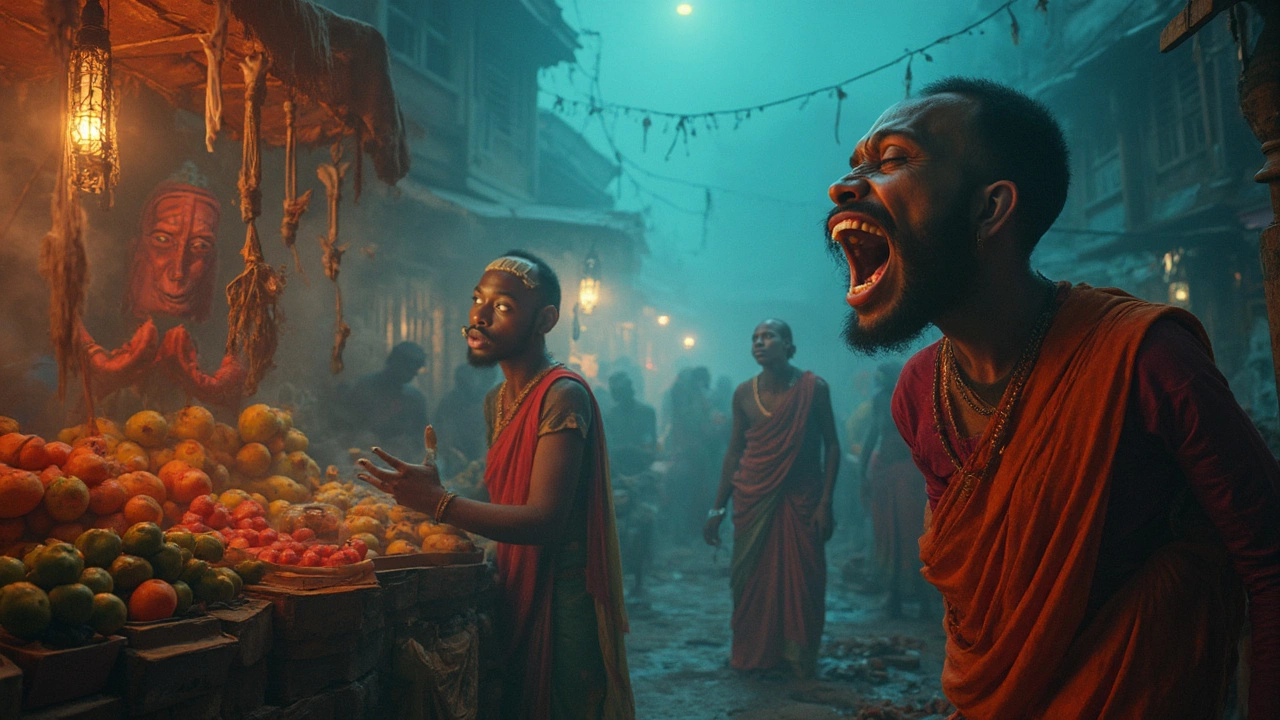
Grotesque Fiction: Definition, History, and Iconic Examples Explained
Unravel the strange world of grotesque fiction—its origins, themes, and bone-chilling examples that blend horror, comedy, and the deeply bizarre.
View More