Liberal: What It Means, Who Uses It, and Why It Shows Up in Books
When you hear the word liberal, a political and social ideology that values individual freedom, equality, and progress through reform. Also known as progressive, it doesn’t just describe a party—it shows up in the way stories are told, who gets to speak, and what kind of change the characters fight for. You’ll find it in novels where a young teacher challenges outdated rules, in memoirs where someone breaks free from family expectations, or in essays that question who gets to decide what’s "normal." It’s not about being left or right—it’s about asking whether systems should change to let more people in.
The idea of liberal ideology, a belief in individual rights, social justice, and government as a tool for fairness shows up quietly in books that aren’t even political. Take cultural narrative, the shared stories a society tells itself about who belongs and what matters. When a book gives voice to someone ignored by mainstream history—like a woman writing her own life, or a child from a small village dreaming of education—it’s often part of a liberal cultural narrative. These aren’t speeches. They’re small moments: a mother saving money for her daughter’s books, a librarian quietly handing a banned book to a teenager, a student questioning why only one version of history is taught.
And it’s not just about politics. You’ll see literary fiction, a genre focused on deep character development, moral complexity, and social observation leaning into liberal themes because it’s built to ask hard questions. Not every literary novel is liberal, but the ones that stick with you often are—because they care about inner lives, not just big events. That’s why you’ll find liberal ideas in stories about grief, belonging, or quiet courage, not just protests and speeches. These are the stories where change happens slowly, inside people, before it ever hits the headlines.
Look at the posts below. You’ll see how liberal shows up in unexpected places: in book reviews that praise characters who challenge norms, in essays about cultural stories that include the marginalized, in guides about writing narratives that feel real because they’re rooted in truth—not ideology. There’s no agenda here, just books that reflect how people actually live, think, and change. Whether you agree with liberal ideas or not, you’ll see them woven into the stories we keep reading—and why they still matter.
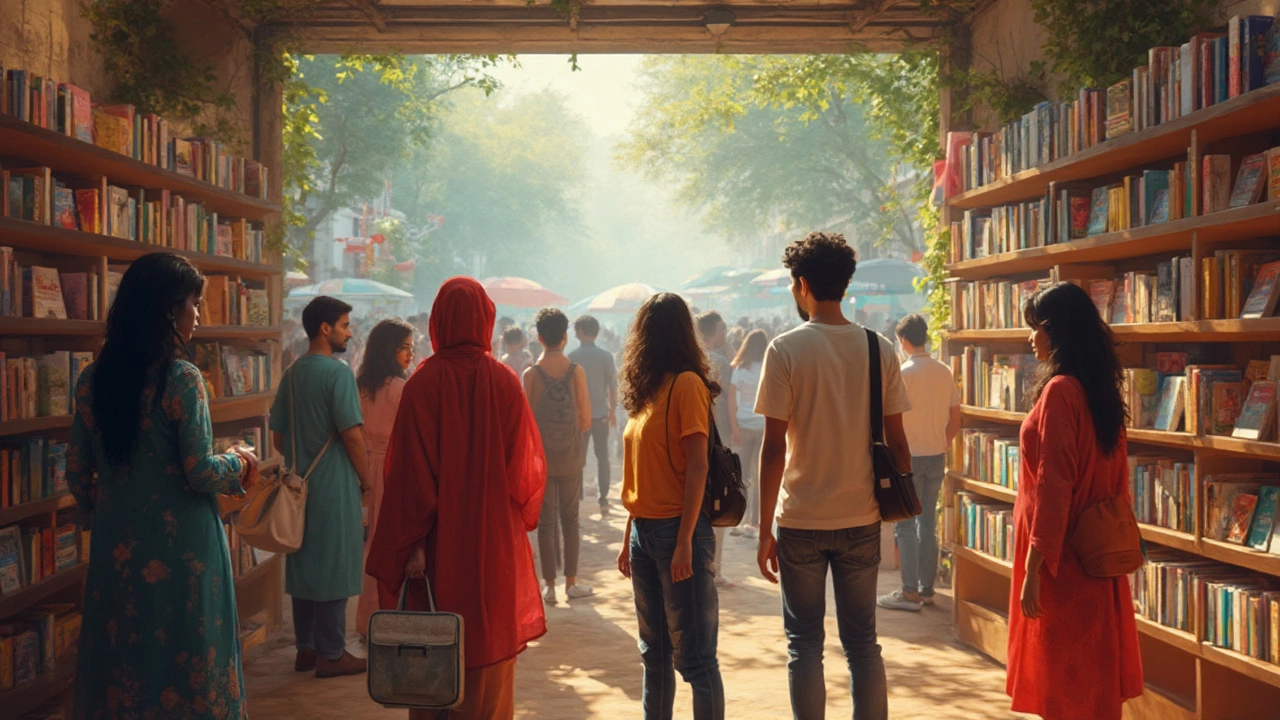
Gen Z: More Conservative or Liberal? A Deep Dive into Their Reading Trends
This article digs into whether Gen Z leans more conservative or liberal, using reading habits and social influences as clues. It looks at what books they're reading, what topics they're exploring online, and how opinions shift with the times. You'll see what shapes Gen Z's views, how they're different from Millennials, and where they surprise us. There are some tips if you want to understand or connect with Gen Z thinkers. Expect honest facts, not just social media stereotypes.
View More