Literary Folklore: Stories That Shape Culture and Identity
When we talk about literary folklore, traditional stories passed down through generations and later recorded in writing. Also known as folk literature, it’s the bridge between what people once told around fires and what we now read on pages. These aren’t just old tales—they’re the hidden DNA of how communities understand the world. From trickster gods to talking animals, literary folklore carries values, fears, and wisdom that no textbook could teach.
It’s closely tied to cultural narrative, the shared stories that define a group’s identity and beliefs. Think of how the tale of Ravana in the Ramayana isn’t just a myth—it’s a lens through which millions understand power, duty, and morality. Literary folklore doesn’t stay frozen in time. It evolves. Writers like R.K. Narayan and Arundhati Roy didn’t just retell folktales—they reimagined them, letting ancient voices speak to modern questions about caste, gender, and belonging.
It also connects to oral tradition, the practice of passing stories by word of mouth before they were written down. In villages across India, grandmothers still tell stories of spirits in the banyan tree or clever mice outwitting kings. These aren’t just entertainment—they’re lessons wrapped in rhythm and rhyme. When those stories get written, they become literary folklore: preserved, but still alive.
And then there’s myth, a type of story that explains the unexplainable—why the seasons change, how death began, or why the gods intervene. Myths aren’t lies. They’re emotional truths dressed in symbols. A folk tale about a girl who outsmarts a demon isn’t just about bravery—it’s about how the powerless find agency. That’s why literary folklore still shows up in today’s bestsellers, TV shows, and even memes.
You won’t find literary folklore in a single book. It’s everywhere—in the way a child learns about honesty through the story of the ant and the grasshopper, in the songs sung during Diwali, in the regional legends of Tamil Nadu or Assam that never made it into school syllabi. These stories are the quiet backbone of Indian literature. They’re not flashy, but they’re enduring.
What you’ll find below are posts that dig into these threads—how folklore shapes modern storytelling, why certain tales survive while others fade, and how real people still live by these old truths. Whether you’re a reader, a writer, or just someone who’s ever been told a story that stuck with you, this collection is for you. No theory. No jargon. Just stories that still matter.
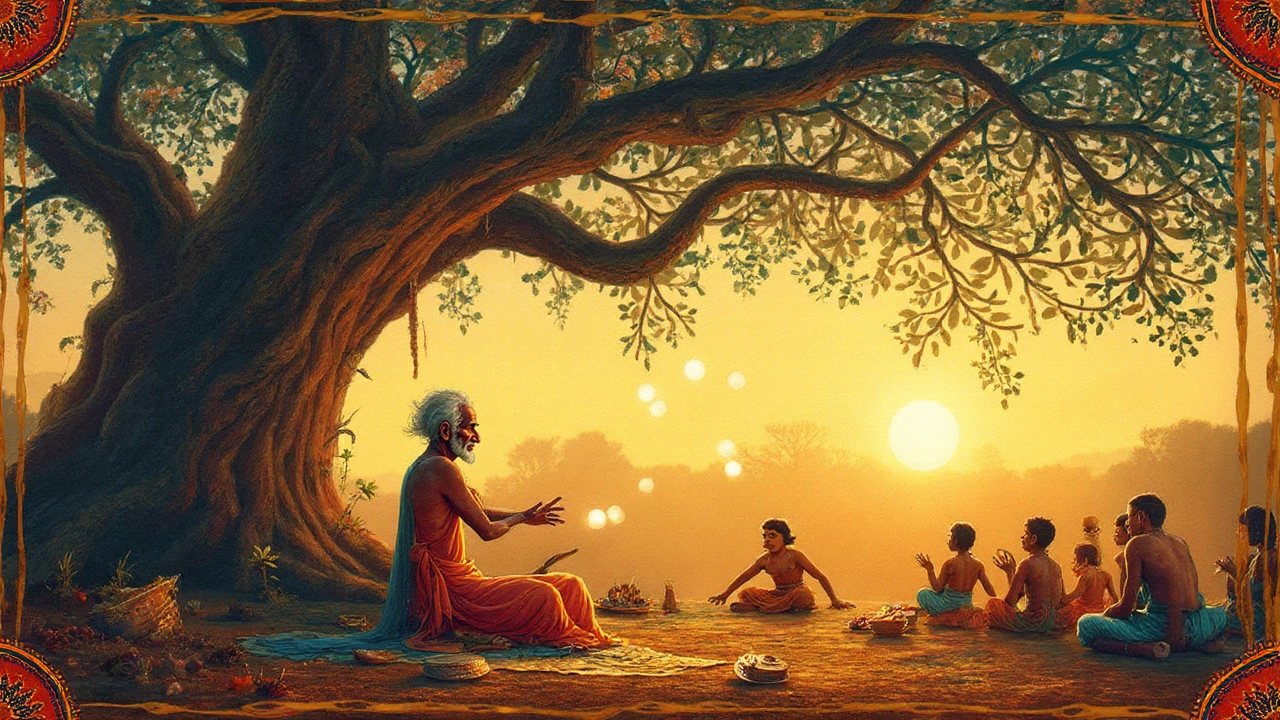
Tradition Narrative Explained: Definition, History & Modern Examples
Discover what a tradition narrative is, its roots in oral tradition and folklore, key elements, and how it shapes modern storytelling.
View More