Mythology Books: Ancient Stories That Still Shape Today's Tales
When you pick up a mythology, a collection of traditional stories explaining natural phenomena, human behavior, or divine powers through gods, heroes, and monsters. Also known as myths, these tales aren’t just old folklore—they’re the foundation of how we understand heroism, fate, and morality today. Whether it’s Krishna’s playful tricks in the Yamuna or Odysseus fighting sea monsters, mythology gives us characters and themes that feel familiar, even if the names are ancient.
Indian mythology, like the Mahabharata, a vast epic centered on duty, war, and divine intervention among royal brothers, isn’t just religious text—it’s a blueprint for complex human choices. Meanwhile, Greek mythology, a system of stories about gods like Zeus and heroes like Hercules that shaped Western storytelling, still shows up in modern fantasy novels and superhero plots. These aren’t isolated traditions. They feed into each other. The idea of a flawed hero, a trickster god, or a journey through the underworld? You’ll find versions of these in both Indian and Greek myths—and now in your favorite Netflix series or bestselling fantasy novel.
Mythology books don’t just retell old stories. They reinterpret them. They ask: What does it mean to be human when the gods are watching? Why do we keep retelling tales of loss, revenge, and redemption? The posts here dig into those questions. You’ll find deep dives into forgotten epics, comparisons between cultures, and why certain myths survive while others fade. Some posts even trace how ancient tales influence today’s bestsellers. No fluff. No lectures. Just clear, real connections between the gods of the past and the stories you’re reading now.
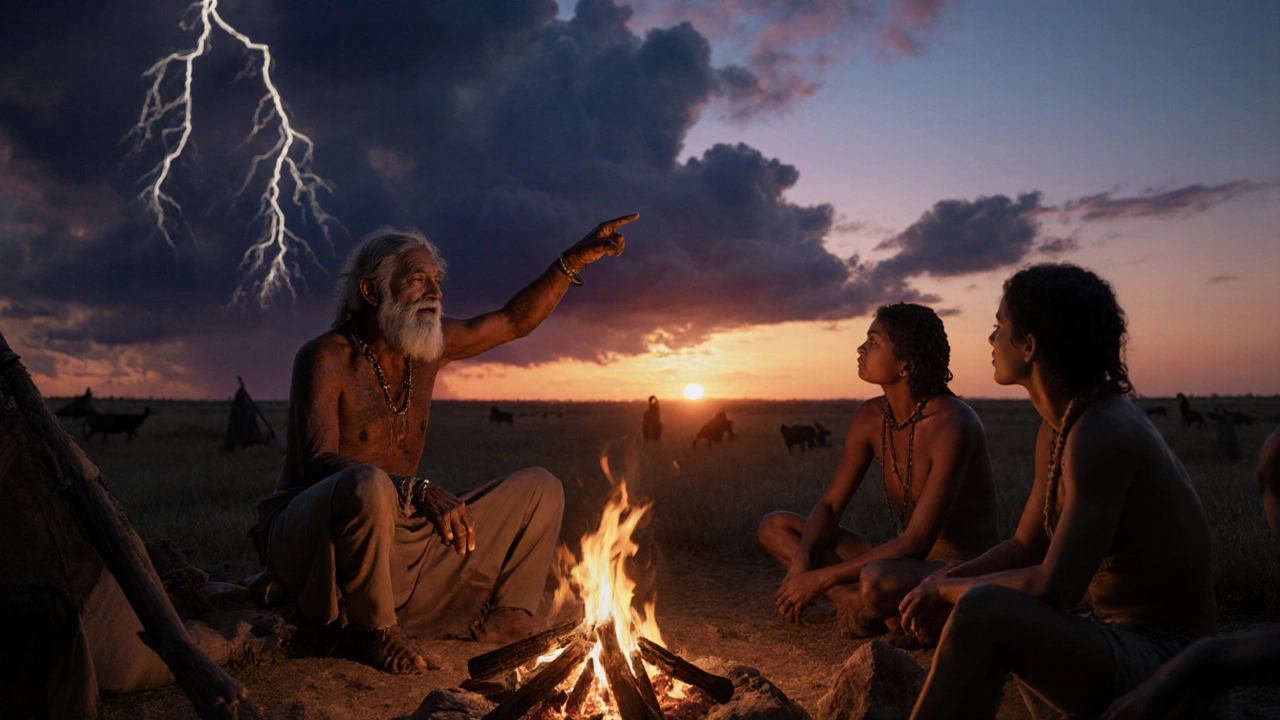
3 Core Questions Mythology Tries to Answer
Discover the three main purposes of mythology: explaining natural phenomena, teaching moral order, and revealing human origins. Learn how these goals shape culture and stay relevant today.
View More