Narrative Tradition: How Stories Shape Culture and Connect Us
At its core, a narrative tradition, the ongoing practice of passing down stories across generations to preserve meaning, identity, and values. Also known as storytelling heritage, it’s what turns events into meaning and silence into shared understanding. This isn’t just about books or novels—it’s how your grandmother told you about her childhood, how village elders recounted harvests and floods, how myths explained the seasons before science could. The narrative tradition lives in every culture, in every language, and it doesn’t need a publisher to survive.
It connects directly to cultural narrative, the collective stories a society tells itself about who it is, what it values, and where it came from. Think of the Indian epic tales like the Mahabharata or Ramayana—not just religious texts, but living frameworks that shape family values, social roles, and moral choices even today. These aren’t relics. They’re active forces. And they’re not alone. Modern novels, films, and even social media posts carry the same weight—they’re just new forms of the same old practice. The oral tradition, the practice of transmitting stories through speech rather than writing still thrives in rural India, in tribal communities, in family kitchens. It’s how wisdom survived before printing presses, and how it still survives today when digital screens fail.
What makes a narrative tradition powerful isn’t how old it is, but how deeply it sticks. A story that sticks doesn’t need big explosions or perfect heroes. It needs truth—quiet, messy, human truth. That’s why the most powerful Indian novels today aren’t always the ones with the biggest marketing budgets. They’re the ones that capture the weight of a mother’s silence, the ache of a son leaving home, the dignity in a farmer’s daily grind. These aren’t just plots. They’re echoes of centuries of storytelling.
And you don’t need to be a scholar to see it. Look at how people talk about books. When someone says, "This book changed how I see my father," or "I finally understood my grandmother after reading this," that’s the narrative tradition at work. It’s not about the author’s fame. It’s about the story finding its way into someone’s life. The posts below explore this in real ways—from ancient epics like Gilgamesh to modern cultural essays, from book review patterns that reveal what readers truly care about, to how literary fiction digs into the emotional bones of human experience. You’ll find stories about stories, and why they still matter more than ever.
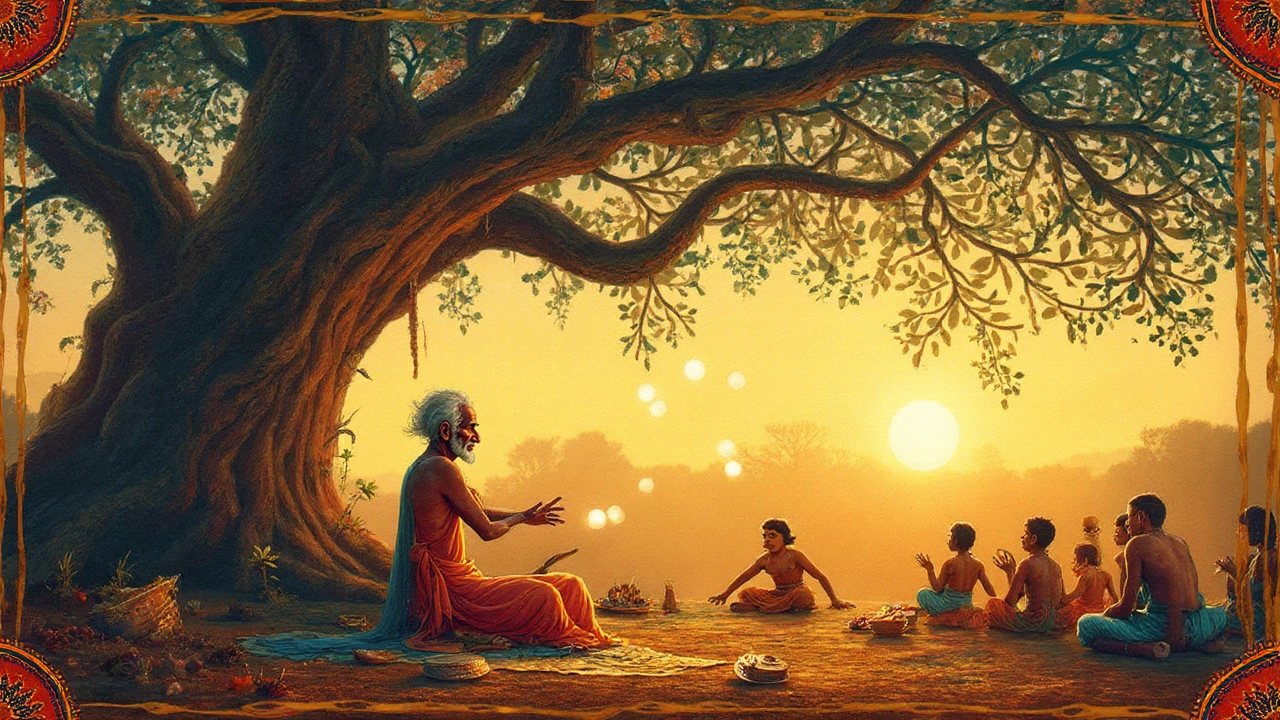
Tradition Narrative Explained: Definition, History & Modern Examples
Discover what a tradition narrative is, its roots in oral tradition and folklore, key elements, and how it shapes modern storytelling.
View More