Origin Stories: What Makes a Story Truly Stick?
When we talk about origin stories, narratives that explain how something began, whether it’s a person, a culture, or a myth. Also known as creation myths, these are the foundation of how humans make sense of the world. They’re not just old tales told around fires—they’re the invisible architecture behind everything we believe, fear, or chase. From the Epic of Gilgamesh to the rise of a superhero, origin stories answer the quiet question: How did we get here?
These stories don’t need magic or gods to work. They just need truth. The most powerful ones come from real human experiences—grief, belonging, quiet courage, or the fear of being forgotten. That’s why the cultural narrative, the shared story a group tells itself about who it is and where it came from sticks longer than any advertisement or political speech. It’s why the Bible, even when stolen from hotel rooms or given away for free, remains the most purchased book in history. It’s not about religion—it’s about identity. And why epic tales, long-form stories that follow a hero’s journey through trial and transformation like The Odyssey still feel alive today: they mirror our own struggles, just wrapped in sandals and sea monsters.
Modern storytelling didn’t invent origin stories—it just repackaged them. Superhero movies? They’re modern origin tales with capes. Self-help books promising life change? Those are personal origin stories in disguise. Even book review sites like Goodreads thrive because we’re wired to find meaning in stories—not just plot, but the why behind them. The posts below dig into exactly that: the hidden patterns, the forgotten epics, the cultural threads that tie us together. You’ll find out why Gilgamesh is still the oldest adventure story, how cultural narratives shape what we read, and why the most stolen book in the world isn’t stolen because it’s valuable—it’s stolen because it’s essential.
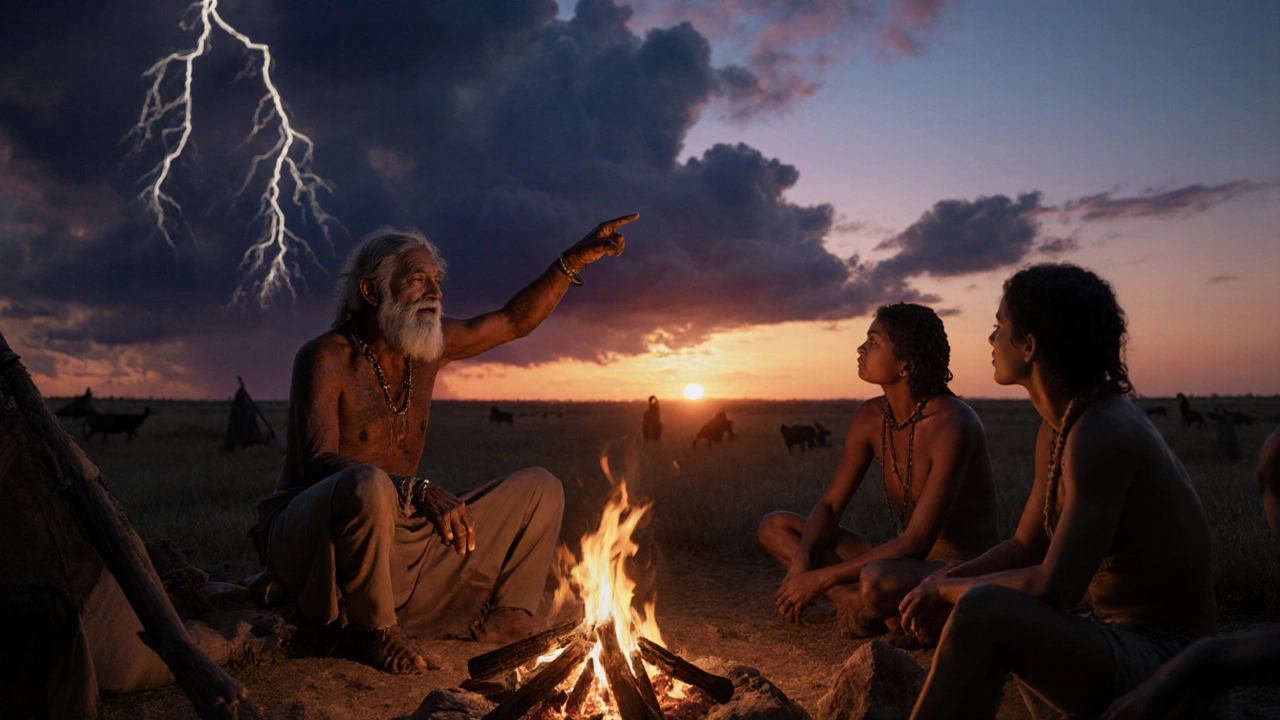
3 Core Questions Mythology Tries to Answer
Discover the three main purposes of mythology: explaining natural phenomena, teaching moral order, and revealing human origins. Learn how these goals shape culture and stay relevant today.
View More