Pulp Romance: What It Is and Why It Still Captivates Readers
When you think of pulp romance, a style of romantic fiction that thrived in the mid-20th century, known for its emotional intensity, dramatic plots, and accessible language. Also known as romantic pulp fiction, it’s the kind of book you’d find on a rack at a gas station—bright cover, bold title, and a story that pulls you in before you even open it. This isn’t literary fiction with slow burns and subtle metaphors. Pulp romance is about desire, danger, and destiny, served fast and hot. It’s the woman who falls for the brooding stranger in a rain-soaked alley. The soldier who comes home changed—and finds love in the last place he expected. These stories don’t whisper. They shout.
Pulp romance doesn’t exist in a vacuum. It’s tied to pulp fiction, a broad category of inexpensive, mass-market fiction printed on cheap paper, popular from the 1920s to the 1950s, covering genres like crime, sci-fi, and romance. While pulp fiction often meant action-packed tales of detectives and space cowboys, pulp romance carved its own space with heart-pounding emotions and larger-than-life characters. It was written for people who wanted to escape, to feel something real in a world that often felt dull. And it worked. Millions bought these books because they delivered what readers craved: passion, tension, and a satisfying ending.
Today, pulp romance lives on—not in paper racks, but in digital shelves and indie bestsellers. Modern readers still crave the same thing: a love story that doesn’t play it safe. The tropes haven’t changed much—the forbidden love, the second chance, the hidden identity—but now they’re wrapped in sharper writing and more diverse voices. You’ll find echoes of pulp romance in today’s romantic suspense novels, historical romances with gritty settings, and even some paranormal love stories. The soul is the same: love that defies logic, risks everything, and wins anyway.
What makes these stories stick isn’t the plot twists—it’s the feeling. You remember the moment the hero turns around and sees her standing there, rain dripping off her coat, and he knows he’s lost. You remember the heroine who walks away, not because she’s weak, but because she finally knows her worth. That’s the power of pulp romance. It doesn’t pretend life is fair. It just says: love anyway.
Below, you’ll find articles that dig into the world of romance fiction—from the most stolen books to how storytelling shapes culture. Some talk about the mechanics of a great review. Others explore why certain stories stick with us long after the last page. They all connect to one thing: the raw, real power of a love story told without filters.
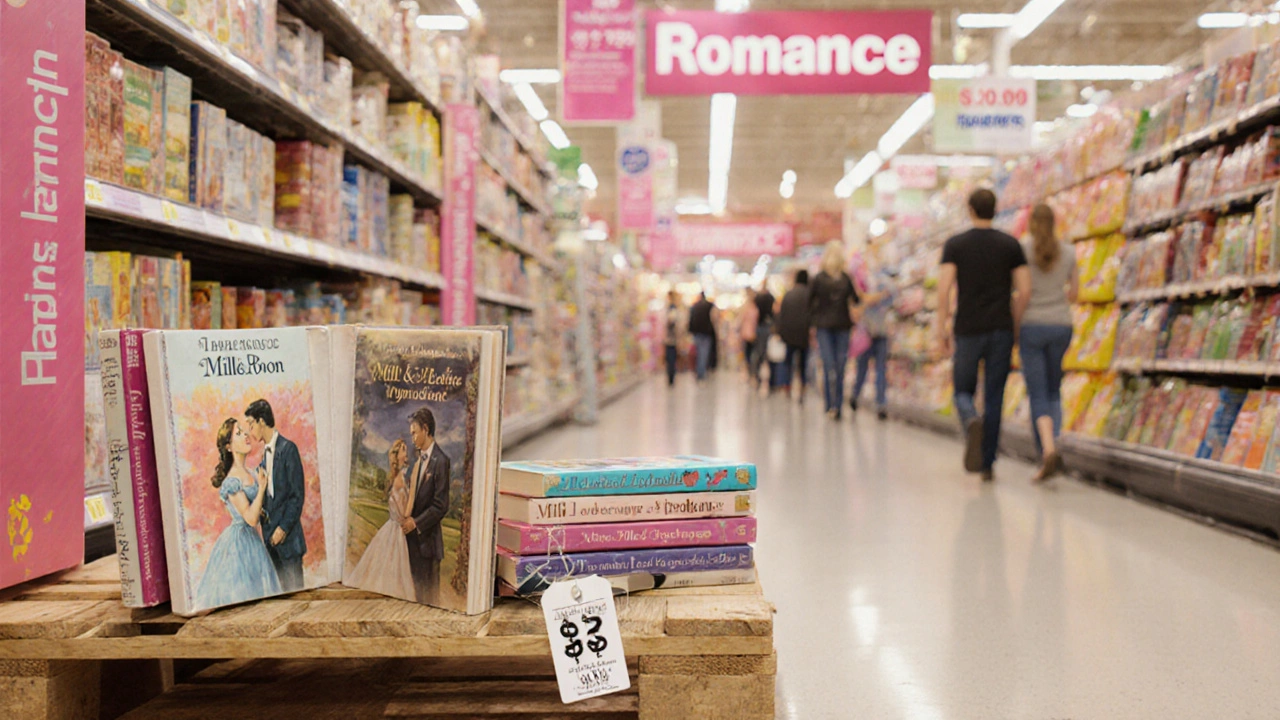
What Are Cheap Romance Novels Called? Quick Guide to Affordable Love Stories
Explore the names for cheap romance novels-mass-market paperback, category romance, and pulp romance-plus buying tips, price ranges, and where to find the best deals.
View More