Religious Myth: Stories That Shape Beliefs, Cultures, and Books
When we talk about religious myth, a traditional story that explains beliefs, origins, or moral codes through sacred symbolism. Also known as sacred narrative, it isn't just folklore—it's the backbone of how cultures understand the divine, the afterlife, and human purpose. These aren't fairy tales for children. They're the stories that shaped laws, inspired art, and moved entire civilizations. From the flood myths found in ancient Sumer to the cosmic battles in Hindu epics, religious myths answer questions science can't, and they do it in a way that sticks—because they feel true, even when they're not literal.
Look at the Bible, a collection of sacred texts central to Christianity and Judaism, with origins stretching back over 2,700 years. It’s not just a religious book—it’s a library of myths, histories, and moral tales that have been copied, stolen, and read more than any other book on Earth. The same goes for the Quran, the holy book of Islam, revealed in the 7th century CE and preserved in its original Arabic across continents. These aren’t just texts. They’re living myths that people live by, argue over, and build communities around. And they’re not alone. The epics of Gilgamesh, the tales of Krishna, the Norse creation myths—they all serve the same function: to give meaning to chaos, order to suffering, and purpose to life.
These myths don’t stay locked in ancient scrolls. They show up in modern books, films, and even in how we tell stories today. That’s why you’ll find them in cultural narratives—those deep, shared beliefs that shape how we see the world. A hero’s journey? That’s a religious myth dressed in modern clothes. A battle between good and evil? That’s been told for millennia, in temples and tents, in Sanskrit and Aramaic. The stories change, but the pattern doesn’t. And that’s why books about religious myth still sell, still spark debate, and still move readers. You’ll find posts here that dig into the oldest sacred texts, compare the Bible and Quran, explore why certain myths endure, and show how they quietly shape the stories we read today. These aren’t just academic topics. They’re the roots of the books you pick up, the questions you ask, and the beliefs you carry.
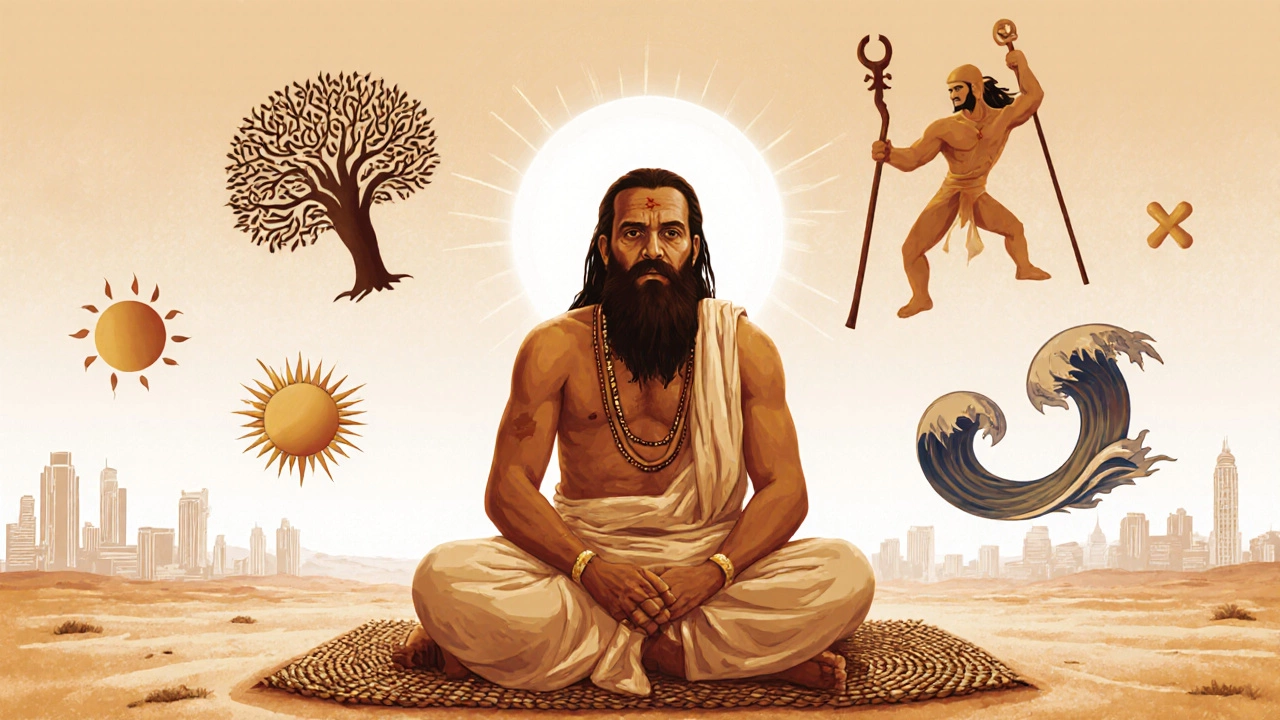
Is the Bible a Myth? Unpacking Fact, Fiction, and Faith
Explore whether the Bible is a myth by defining myth, reviewing archaeological evidence, and hearing scholarly views, all in plain, engaging language.
View More