Representation in Books: Why It Matters and Where to Find It
When we talk about representation, the presence and accurate portrayal of diverse identities in stories. Also known as inclusive storytelling, it means readers see themselves—not as an afterthought, but as the center of the narrative. It’s not just about adding a character of a different race, gender, or ability. It’s about letting those characters have depth, flaws, dreams, and agency—just like anyone else. Too often, stories still center on one kind of person, and everyone else is either invisible or reduced to a stereotype. That’s changing, slowly but surely, because readers are demanding more.
Cultural narrative, the shared stories that shape how a group sees itself and is seen by others. Also known as collective memory, it’s what makes representation feel real. When a book reflects your community’s history, humor, pain, or joy, it doesn’t just entertain—it validates. That’s why stories like those in Indian regional literature, or tales of queer resilience in urban India, carry so much weight. They’re not niche. They’re necessary. And they’re part of a bigger shift: readers now expect books to mirror the world as it is, not as someone wishes it could be. This shift isn’t just about fairness—it’s about better storytelling. The most unforgettable books aren’t the ones with the biggest magic systems or the most twists. They’re the ones that feel true.
Literary fiction, a genre focused on character depth, emotional truth, and stylistic richness. Also known as character-driven storytelling, it’s where representation often finds its strongest voice. Unlike genre fiction that relies on plot formulas, literary fiction digs into the quiet moments—the hesitation before speaking, the silence after loss, the small acts of courage that go unnoticed. That’s where real representation lives: in the way a mother in a Tamil village thinks about her daughter’s future, or how a disabled teenager navigates school without being defined by their condition. These aren’t token roles. They’re fully realized lives.
You’ll find all of this—and more—in the posts below. From how cultural narratives shape what gets published, to which books finally get the representation right, to why some stories still get ignored. There’s no single answer to what good representation looks like. But you’ll know it when you read it.
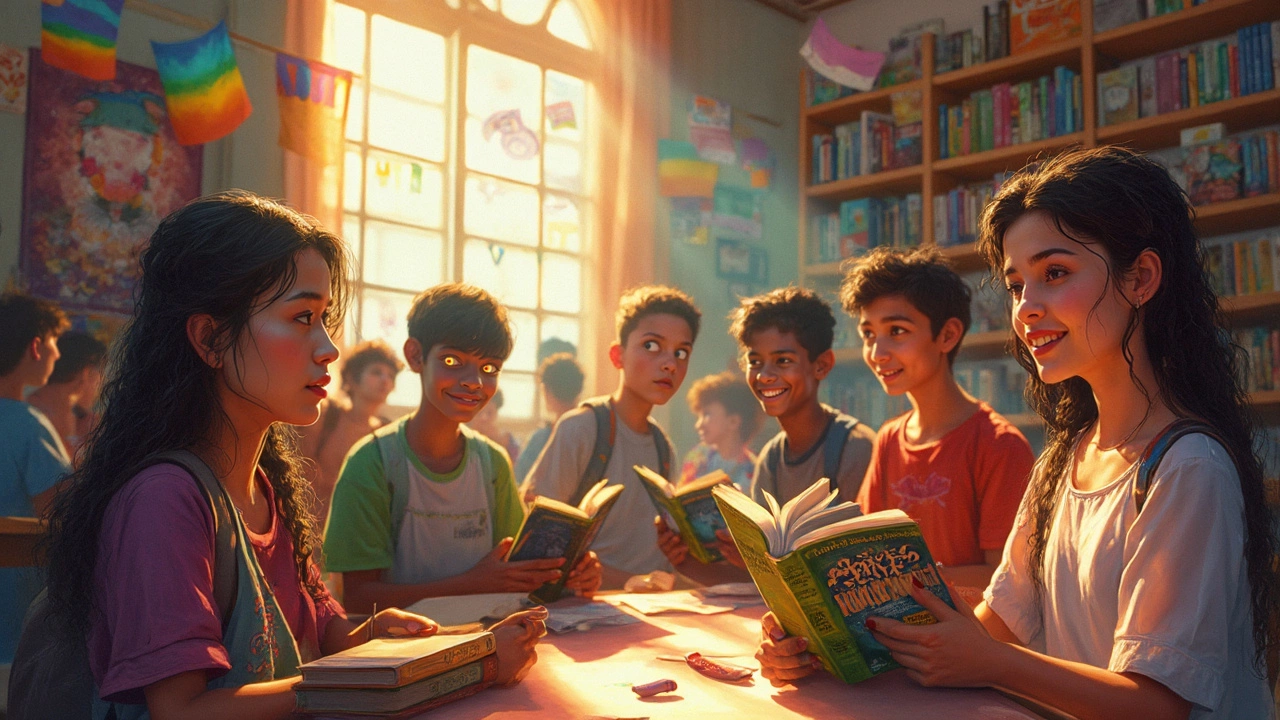
Is Percy Jackson LGBTQ? Facts, Characters, and Representation
Wondering if Percy Jackson identifies as LGBTQ? This article digs into the character's sexual orientation, the author’s intentions, and how the Percy Jackson universe handles LGBTQ representation. It also highlights key LGBTQ characters in the series and offers tips for readers seeking inclusive young adult books. If you’re curious about inclusivity and identity in Percy Jackson’s world, you’ll find practical answers here.
View More