Screen Reading: What It Is, Why It Matters, and How It's Changing How We Read
When you read on a phone, tablet, or computer, you're doing screen reading, the act of consuming text on digital displays instead of printed pages. Also known as digital reading, it’s no longer just a backup option—it’s how most people read now, whether it’s a novel on Kindle, an article on their phone, or a textbook on a laptop. This isn’t just about the device you’re holding. It’s about how your brain processes words differently when they’re lit up instead of printed. Studies show people read slower on screens, remember less, and feel more tired after long sessions. But that doesn’t mean screen reading is bad—it just means we need to understand how it works.
Screen reading doesn’t happen in a vacuum. It’s tied to e-books, digital versions of books designed for reading on screens, which changed the publishing game by making books instantly available, cheaper, and portable. It’s also shaped by reading habits, the patterns people develop around when, where, and how they read. You might skim a news article on your commute, dive into a mystery novel before bed, or flip through educational texts during lunch. These habits are different from the quiet, uninterrupted reading of the past. And they’re not random—they’re responses to how we live now: busy, distracted, always connected.
Some people still swear by paper. They say it’s easier to focus, better for memory, and feels more real. Others say screens let them carry a library in their pocket, adjust font sizes, and find books they’d never see in a local store. The truth? Both are valid. The real question isn’t which is better—it’s how to use each one wisely. If you’re reading for pleasure, maybe paper helps you stay lost in the story. If you’re studying or need to search quickly, a screen gives you tools paper can’t match.
And then there’s screen fatigue, the mental and physical tiredness that comes from staring at screens too long. It’s why you feel drained after reading three chapters on your phone but could read a whole book in bed with a flashlight. Your eyes strain. Your focus slips. Your brain starts to tune out. That’s not weakness—it’s biology. And knowing this helps you make smarter choices: take breaks, use night mode, switch to paper when you need deep focus.
What you’ll find in the posts below isn’t a debate about screens vs. books. It’s a look at how reading is changing—and what that means for you. From how Goodreads helps people track their screen reading habits, to why the Bible is still the most read book even when it’s on a screen, to how modern reading instruction is adapting to digital habits—these posts connect the dots between technology, behavior, and the simple act of reading. You’ll see real examples, not theories. Practical insights, not fluff. And maybe, just maybe, you’ll find a way to read better, no matter what device you’re holding.
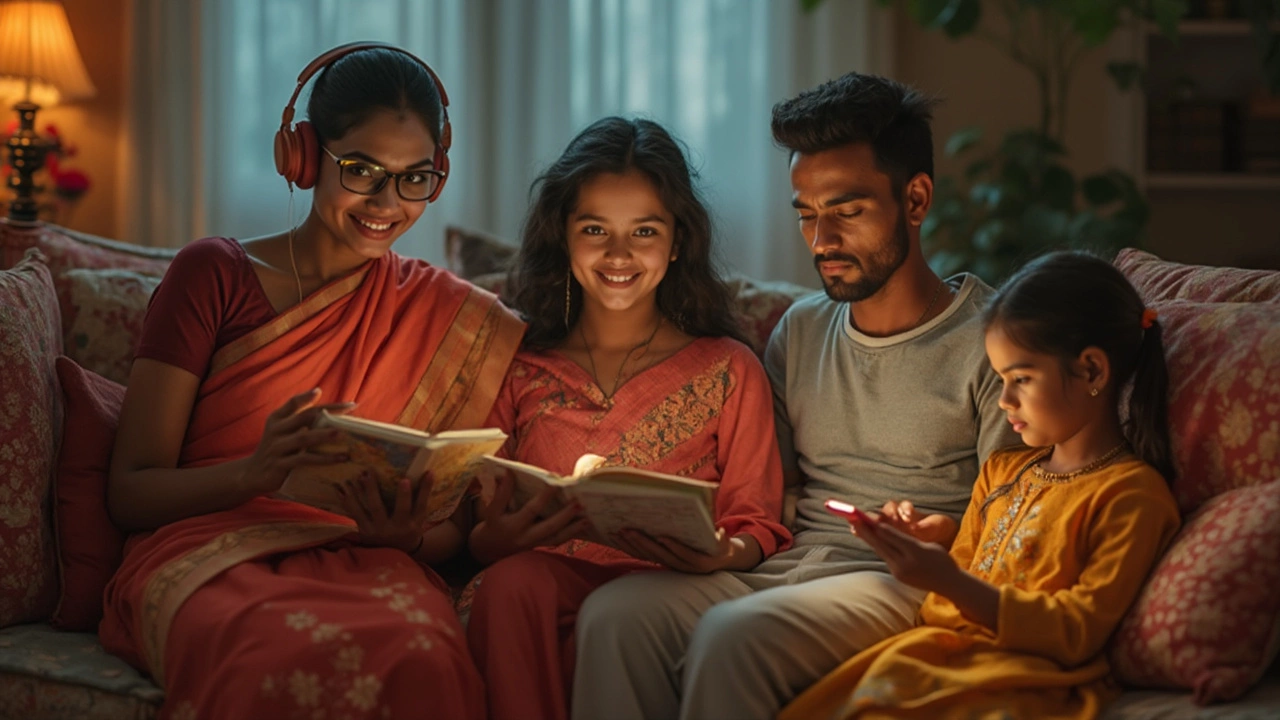
New Type of Reading: Digital Trends Changing How We Read
Reading isn't just about flipping through pages anymore. Thanks to new tech, people are reading in totally different ways—on screens, through audiobooks, and even in short bursts on apps. These changes are shaping how we absorb information and stay hooked on stories. This article digs into what makes this new reading style different, why it's catching on, and how you can make the most of it. Find simple tips on adapting your reading habits to fit the fast-paced, digital world.
View More