Whole Language: What It Is and How It Shapes How We Read and Teach
When we talk about whole language, a method of teaching reading that emphasizes meaning, context, and real texts over isolated skills like phonics. Also known as language experience approach, it’s the idea that kids learn to read the same way they learn to speak—by being immersed in meaningful language, not by drilling rules. This isn’t about memorizing word lists or sounding out every letter. It’s about letting kids see reading as something useful, something alive, something they do to understand stories, instructions, or messages in the world around them.
Whole language connects directly to how people actually use language outside the classroom. You don’t learn to understand a joke by analyzing each word’s pronunciation—you get it from the context, the tone, the situation. That’s the core belief behind whole language: literacy education, the process of teaching reading and writing, especially in early childhood should mirror real-life communication. Kids who hear stories read aloud, who see signs and labels in their environment, who write notes to their parents—they’re building reading skills naturally. This approach values the child’s curiosity and prior knowledge. It trusts that if a child is surrounded by rich, authentic language, they’ll figure out how it works over time.
But here’s the catch: whole language doesn’t ignore letters or sounds. It just doesn’t start there. Critics argue that without explicit phonics instruction, some kids—especially those who struggle—fall behind. That’s why you hear debates between phonics vs whole language, the two dominant approaches to early reading instruction, with phonics focusing on decoding and whole language on meaning. The truth? Most modern classrooms blend both. They use whole language to keep reading engaging and meaningful, while slipping in targeted phonics help when kids get stuck. It’s not an either/or fight anymore. It’s about giving kids the right tools at the right time.
You’ll find this tension reflected in the posts below. Some talk about how stories stick with us because they feel real—like the best narrative topic isn’t a grand adventure but a quiet moment of courage. Others dive into how cultural narrative, the shared stories a society tells itself about who it is and what it values shapes what we read and how we interpret it. These aren’t random topics. They’re all connected to how language works in the real world—how meaning is built, not just decoded. Whether it’s why the Bible is the most stolen book or how adventure stories hook readers, it all comes back to one thing: people connect to language that feels true.
What follows is a collection of posts that explore reading, storytelling, and learning—not as dry lessons, but as living, breathing parts of human experience. You’ll find insights on book reviews, reading habits, and what makes a story unforgettable. None of them preach a single method. But together, they show how deeply whole language thinking runs through how we engage with books—not just as students, but as readers.
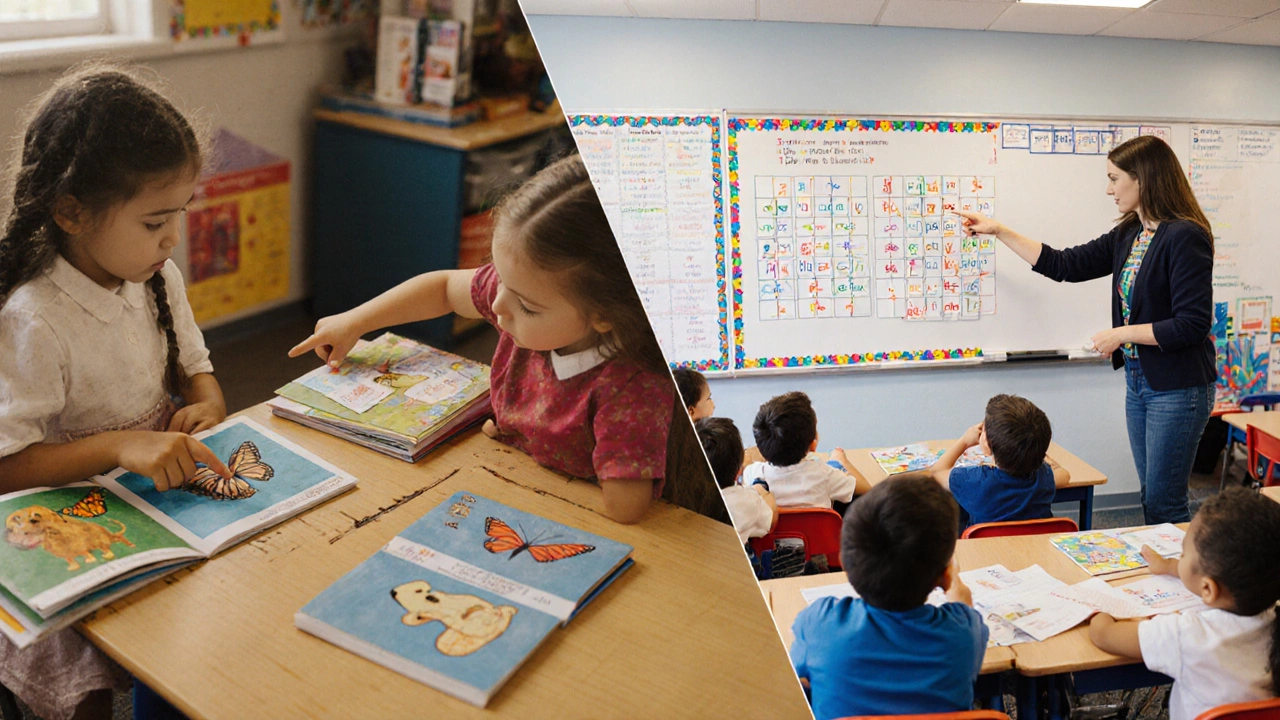
What Has Replaced Phonics in Modern Reading Instruction?
Phonics hasn't been replaced-it's been ignored. Now, the science of reading is bringing back systematic phonics instruction as the foundation for all early reading. Here's what schools are doing differently-and why it works.
View More