
Adventure Story Plot Generator
How to use: Drag the Plot Elements into the correct sequence of an adventure story to build your narrative arc. Click "Randomize Idea" to get a fresh starting point!
Plot Elements
Your Story Arc
Key Takeaways
- Adventure stories focus on a physical journey that mirrors an internal emotional change.
- The "Call to Adventure" is the catalyst that pushes the protagonist forward.
- High stakes and exotic settings are essential to keep the reader engaged.
- The resolution usually involves the character overcoming a major external obstacle.
The Anatomy of a Classic Adventure
To understand what makes a story an adventure, we have to look at the bones of the narrative. In the world of literary analysis, Joseph Campbell is an American mythologist who identified the "Monomyth" or the Hero's Journey. This framework is the blueprint for almost every successful adventure story ever written. It starts with a call to action-maybe a mysterious letter, a sudden disaster, or a hidden map-that pulls the hero away from their ordinary world.
Think about a scenario where a small-town librarian finds an ancient diary detailing a lost city of gold. The librarian doesn't just wake up and decide to go; they usually resist at first. This resistance makes them human. When they finally step across the threshold into the unknown, the stakes shift from "I might be bored" to "I might actually die." That jump in tension is what defines the genre. Without a clear goal and a dangerous path to get there, you don't have an adventure; you just have a travelogue.
Concrete Examples of Adventure Stories
If you need a clear example, look at Treasure Island by Robert Louis Stevenson. This is a textbook adventure. You have the inciting incident (finding the map), the journey (sailing to a remote island), the antagonistic force (Long John Silver and his pirates), and the ultimate prize (the buried gold). The story works because the environment itself-the desolate island-is a character that challenges the protagonist's survival skills.
Another great example is The Hobbit. While it leans into fantasy, its core is pure adventure. Bilbo Baggins is the ultimate "reluctant hero." He loves his tea and his hole in the ground, but the call of the Wild forces him to face spiders, goblins, and a dragon. The adventure here isn't just about the gold in the Lonely Mountain; it's about Bilbo discovering he is far braver than he ever imagined.
| Sub-genre | Primary Goal | Typical Setting | Core Conflict |
|---|---|---|---|
| Survival Adventure | Stay alive | Wilderness/Arctic | Man vs. Nature |
| Quest Adventure | Retrieve an object | Mythical lands/Ruins | Man vs. Obstacles |
| Voyage Adventure | Explore new territory | Deep sea/Space | The Unknown |
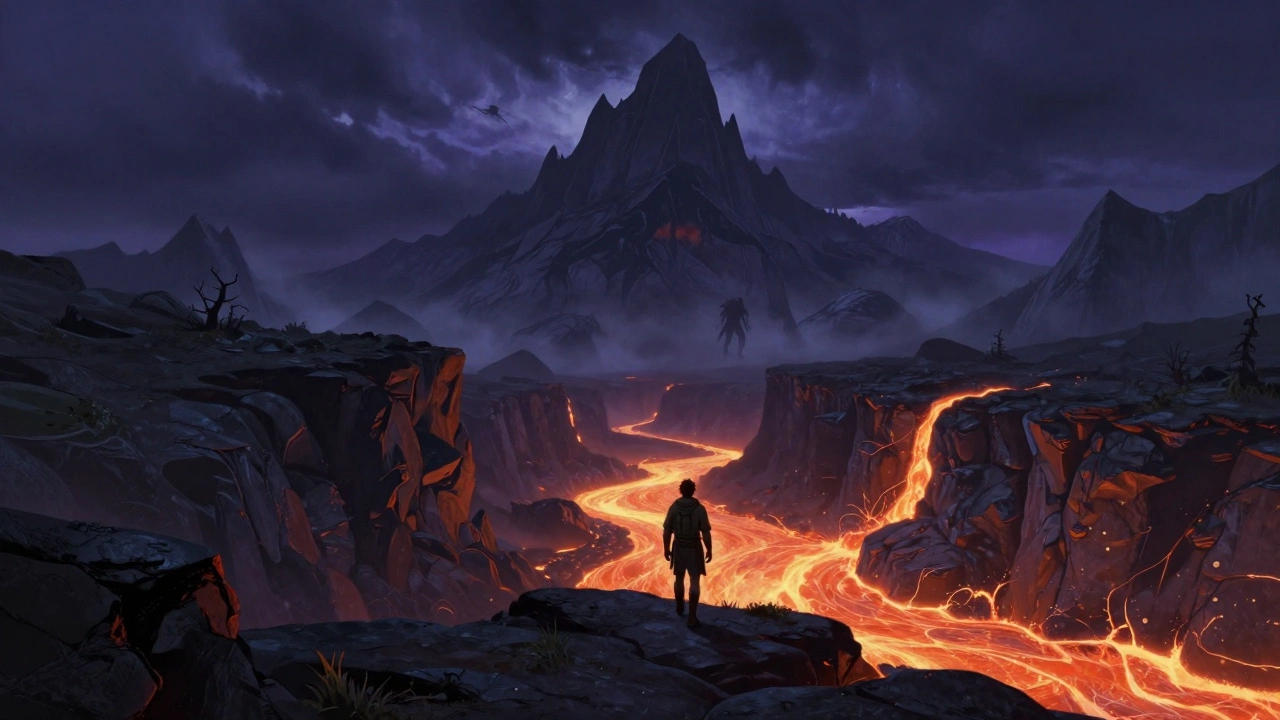
Essential Tropes That Drive the Plot
Every adventure story relies on a few recurring patterns, often called tropes. These aren't "clichés" if used well; they are the tools that tell the reader, "This is an adventure." One of the most common is the MacGuffin, a plot device in the form of an object, event, or character that the protagonists are pursuing. It doesn't even have to be important in itself-it's just the engine that moves the characters from Point A to Point B. The Ark of the Covenant in Raiders of the Lost Ark is a perfect MacGuffin. The story isn't actually about the box; it's about the chase.
Then there's the "Mentor" figure. Whether it's a wizened old guide or a grizzled veteran, the mentor provides the tools and knowledge the hero lacks. This relationship creates a bridge between the hero's innocence and the harsh reality of the journey. When the mentor eventually disappears or dies, it forces the hero to step up and rely on their own instincts, which is usually the climax of the character's internal growth.
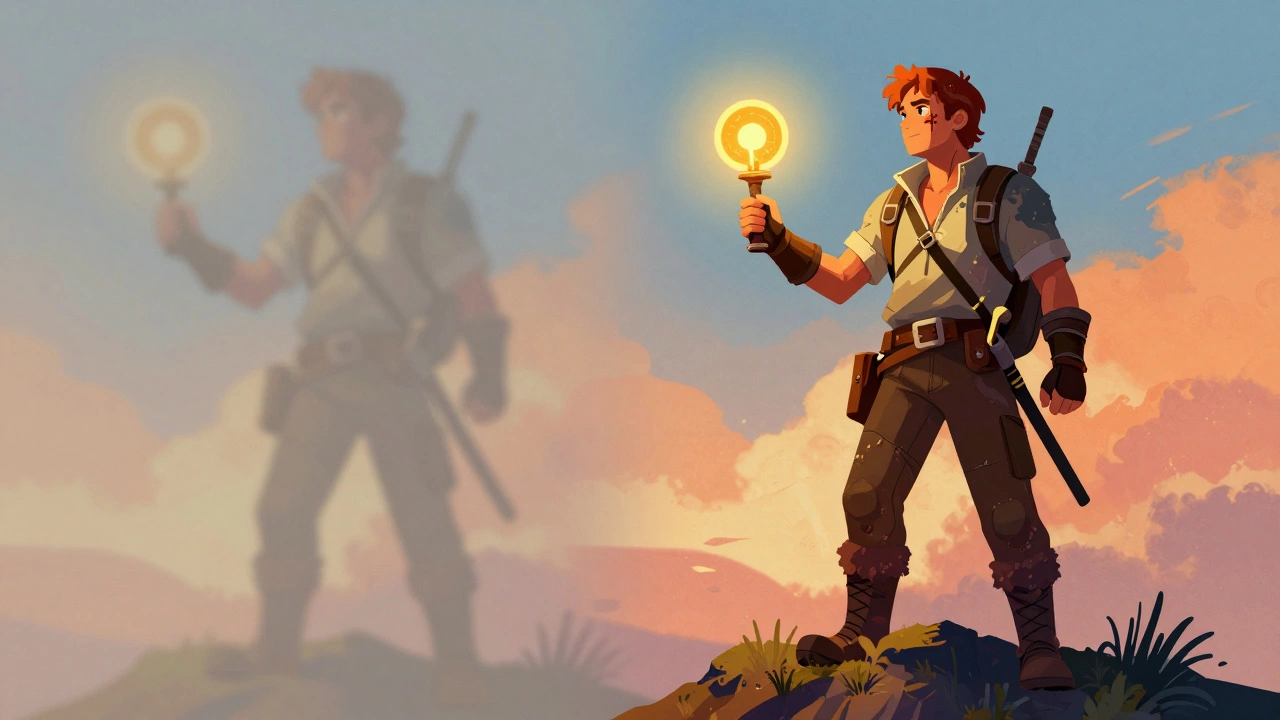
How to Build Your Own Adventure Story
If you're trying to write one, stop focusing on the destination and start focusing on the obstacles. A story where a character walks to a mountain and finds a treasure is boring. A story where a character walks to a mountain, loses their boots in a swamp, gets betrayed by their guide, and has to negotiate with a mountain troll to get across a bridge? That's a story.
- Establish the Ordinary World: Show us what the hero stands to lose. If we don't know how much Bilbo loves his hobbit-hole, his return to it at the end doesn't feel rewarding.
- Create a compelling "Call to Adventure": Make the invitation irresistible or the threat unavoidable. A sudden kidnapping or a mysterious inheritance works wonders.
- Build a hostile environment: The setting should actively try to stop the hero. Use weather, terrain, and local wildlife to add layers of difficulty.
- Introduce a ticking clock: Give them a deadline. If they don't find the antidote by Friday, the kingdom falls. This removes the possibility of the character just giving up and going home.
- The Final Transformation: The hero should not be the same person they were on page one. They should have a new skill, a new perspective, or a scar that reminds them of what they've endured.
Common Pitfalls to Avoid
The biggest mistake writers make in adventure stories is making the journey too easy. When a character survives a leopard attack by sheer luck rather than skill or quick thinking, the reader loses interest. This is often called "plot armor." To keep the tension high, the hero needs to fail. They need to lose their map, run out of water, or make a wrong turn that leads them into a trap.
Another trap is the "generic quest." If the goal is just to "save the world," it can feel hollow. Give the hero a personal stake. Maybe they aren't just saving the world; they're trying to clear their father's name or find a cure for a sibling. When the external adventure is tied to an internal emotional need, the story resonates much deeper with the audience.
What is the difference between an adventure story and an action story?
The main difference is the focus. An action story emphasizes the "how"-the fight scenes, the chases, and the physical combat. An adventure story emphasizes the "where" and the "why." It's about the journey, the exploration of new lands, and the discovery of the unknown. While adventure stories often contain action, their primary goal is the voyage and the personal growth that comes from it.
Can a story be an adventure if it takes place in a city?
Absolutely. Adventure is defined by the feeling of venturing into the unknown and facing risk. An urban adventure-like a treasure hunt through the hidden tunnels of London or a desperate race across New York City to deliver a secret package-still follows the adventure structure. The "wilderness" is simply replaced by a concrete jungle.
Do all adventure stories need a villain?
Not necessarily. While a villain like Captain Hook adds tension, the antagonist can be the environment itself. In survival adventures, the "villain" is the freezing cold, the lack of food, or a raging river. The conflict comes from the struggle to survive against the odds, rather than a fight against another person.
What is a good starting point for a beginner adventure writer?
Start by mapping out your "Ordinary World" and your "Destination." Once those are set, brainstorm five things that could go wrong between those two points. Focus on creating a character who is out of their element; a fish-out-of-water scenario naturally creates the conflict and humor needed to keep an adventure story moving.
How does the ending of an adventure story typically work?
Most adventure stories end with a "Return with the Elixir." This doesn't always mean a physical potion or gold; it means the hero returns home (or finds a new home) with a newfound wisdom, a physical prize, or a changed status in society. The ending should prove that the journey was worth the risk by showing the character's evolution.