When people say "amazing adventures," they’re not talking about weekend hikes or themed escape rooms. They mean the kind of journeys that break you open, change your DNA, and leave you forever different. These are the stories where humans push past fear, hunger, exhaustion, and doubt-not for fame, not for a camera, but because they had to. The kind that make you sit quietly after reading, staring at the wall, wondering if you’d have done the same.
What Makes an Adventure "Amazing"?
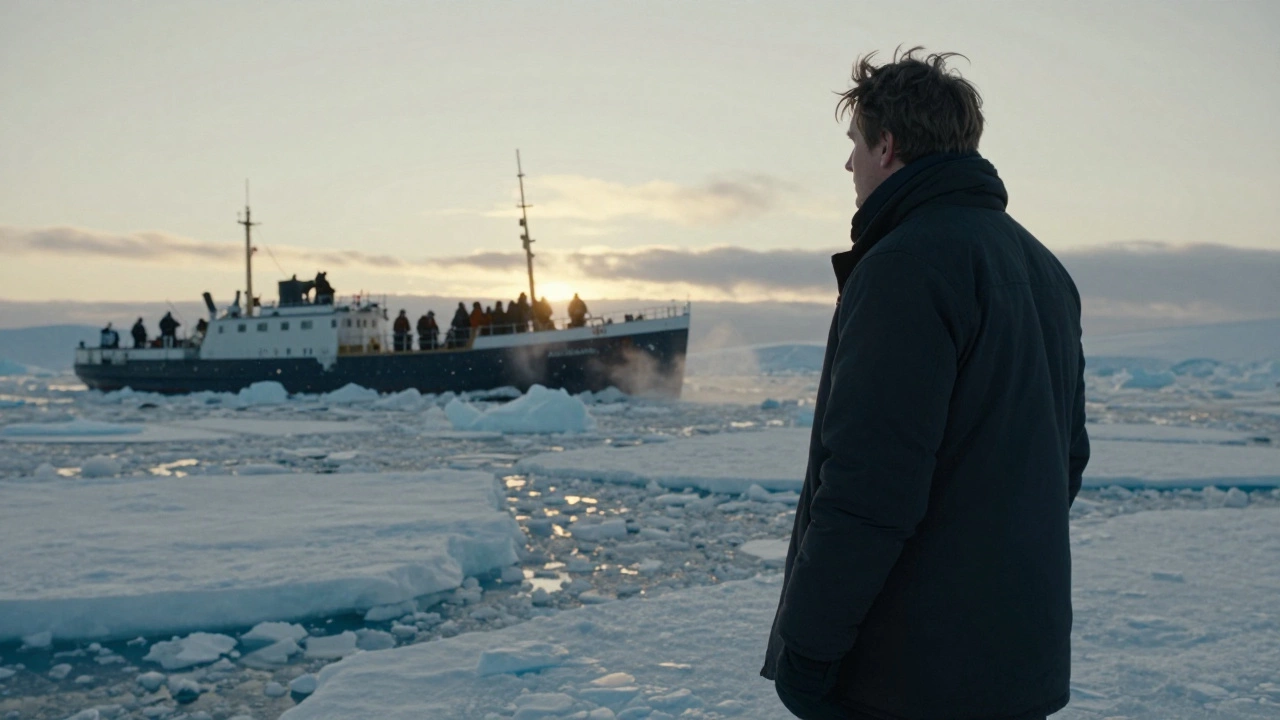
An amazing adventure isn’t defined by distance or danger alone. It’s defined by transformation. A person steps into the unknown and comes out someone else. That’s the core. Think of Sir Ernest Shackleton’s 1914 Antarctic expedition. His ship, the Endurance, got crushed by ice. No rescue was coming. No radio. No supplies. Yet over 16 months, he led all 27 men to safety across frozen seas, ice fields, and open ocean in a lifeboat. No one died. That’s not luck. That’s leadership forged in hell.
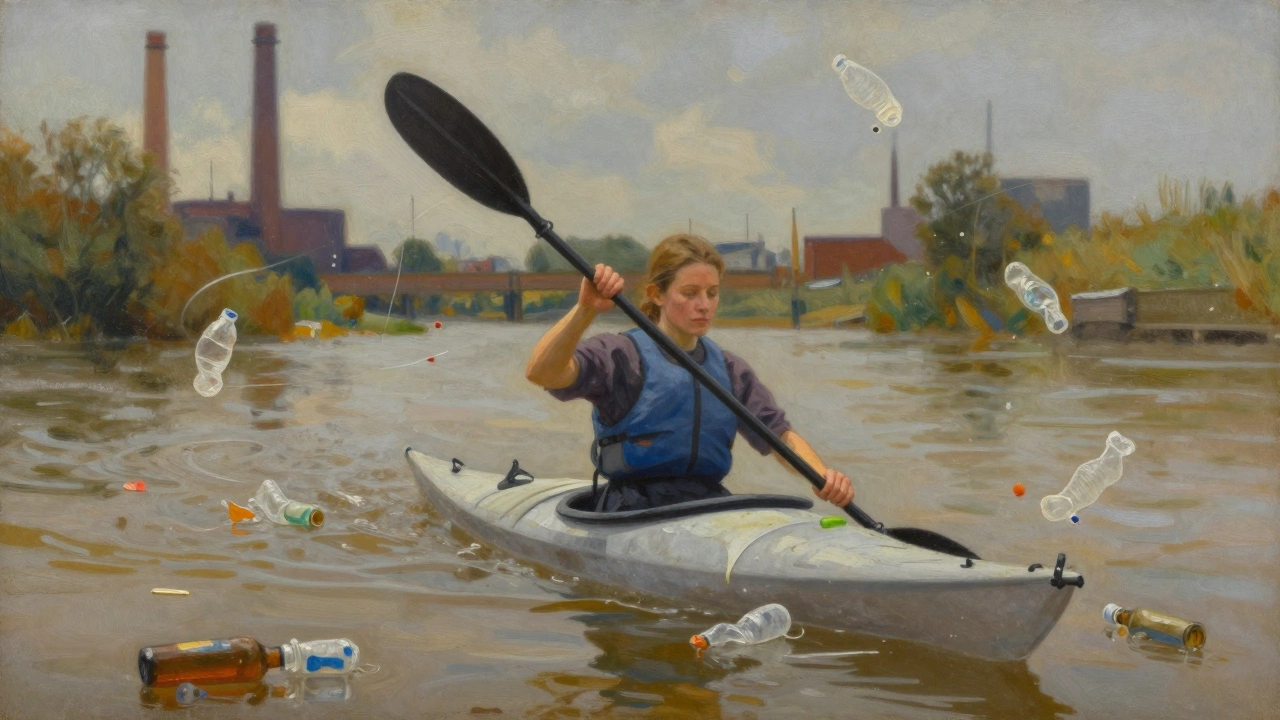
Compare that to modern adventurers like Lizzie Carr, who paddled 250 miles across England’s polluted waterways in 2018 to expose plastic waste. She didn’t climb Everest. She didn’t cross a desert. But she turned a simple act-paddling a kayak-into a movement. Her adventure changed laws. That’s the power of an amazing adventure: it doesn’t need to be grand to be monumental.
Real Stories Behind the Myth
Most people think of adventure as something that happens to explorers in faraway places. But amazing adventures live in quiet corners too. Take the story of Kira Salak, the first woman to travel the length of the Niger River alone in 2002. She walked and kayaked through war zones, villages that had never seen a foreign woman, and regions where guides vanished without warning. She carried a satellite phone, a notebook, and a single change of clothes. She didn’t write a book to sell copies. She wrote it because she needed to understand what it meant to be truly alone in a world that didn’t want her there.
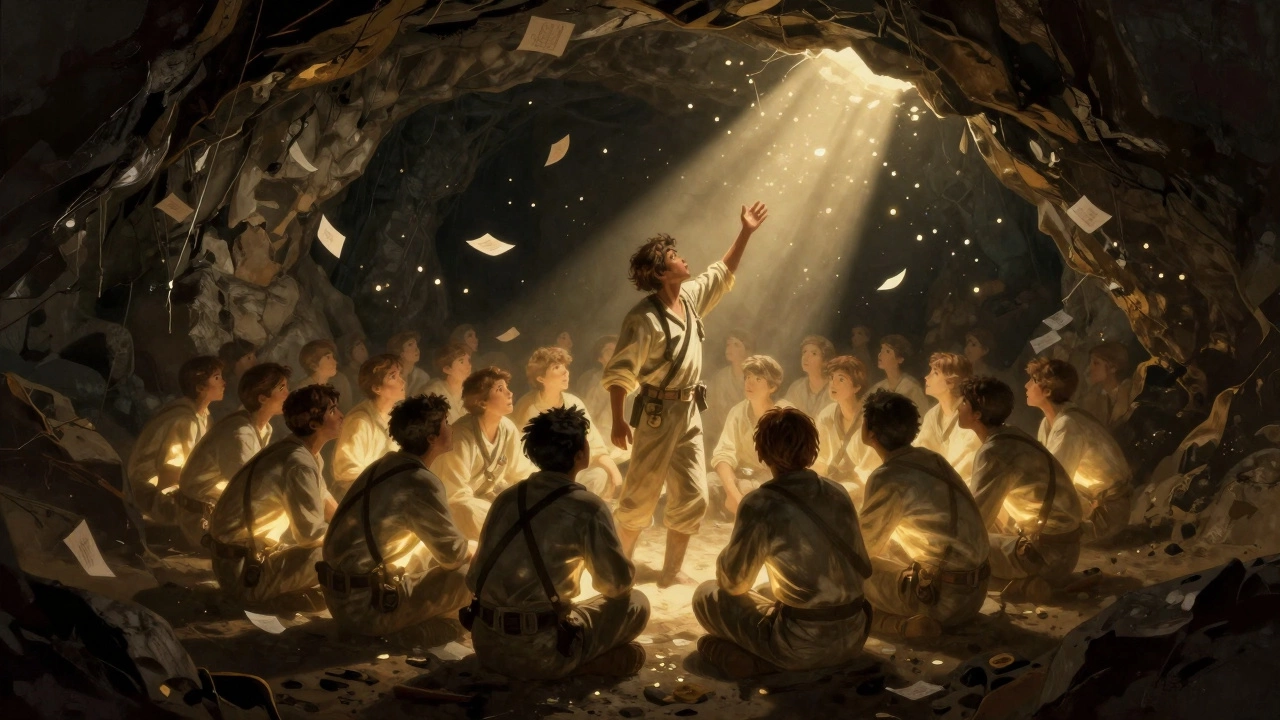
Then there’s the tale of the 2010 Chilean miners. When 33 men were trapped 2,300 feet underground after a cave-in, no one expected them to survive more than a few days. They lasted 69. They rationed one spoonful of tuna every 48 hours. They took turns sleeping. They wrote letters to loved ones on scraps of paper. They prayed. They sang. They held each other when they cried. When they were finally pulled out, one miner said, "We didn’t survive because we were strong. We survived because we refused to stop being human."
These aren’t just survival stories. They’re proof that amazing adventures aren’t about conquering nature. They’re about conquering despair.
Why We’re Drawn to These Stories
Why do we read about people climbing mountains in blizzards or swimming across oceans with sharks circling? It’s not because we want to do it ourselves. It’s because we need to remember what we’re capable of.
Modern life is safe. Predictable. Controlled. We schedule everything. We track our steps. We avoid discomfort. But deep down, we know something’s missing. We crave the raw, unfiltered truth that these stories offer: that courage isn’t the absence of fear. It’s moving forward even when your legs are shaking. That resilience isn’t about being tough. It’s about refusing to give up when every part of you wants to quit.
A 2021 study from the University of Sydney tracked readers of adventure memoirs over six months. Those who read at least one true adventure story per month reported higher levels of personal resilience and a stronger sense of purpose. Not because they learned how to build a fire or navigate by stars. But because they saw ordinary people do extraordinary things-and realized they could too.
The Difference Between Adventure and Stunt
Not every daring act is an amazing adventure. There’s a line. A stunt is done for applause. An adventure is done for meaning.
Take the man who skydived into a volcano in 2023. He had a drone, a team, a sponsor, and a YouTube channel. He got millions of views. But he didn’t change. He didn’t grow. He didn’t risk his soul. He risked his camera.
Now compare that to the story of Aron Ralston. In 2003, he got his arm pinned under a boulder in a remote Utah canyon. No one knew where he was. He had no food. No water. After five days, he used a dull pocket knife to amputate his own arm. Then he hiked six miles out. He didn’t do it for a documentary. He did it because he refused to die alone in a canyon. He wrote a book called Between a Rock and a Hard Place. He didn’t become famous to sell books. He became famous because he showed the world what the human spirit looks like when it’s backed into a corner.
Where to Find These Stories
You don’t need to travel to find amazing adventures. They’re written in libraries, in dusty memoirs, in old journals, and in quiet interviews. Start here:
- Into the Wild by Jon Krakauer - The true story of Chris McCandless, who gave up his possessions and walked into the Alaskan wilderness.
- Wild by Cheryl Strayed - A woman hikes 1,100 miles alone after losing her mother and her way in life.
- The River of Doubt by Theodore Roosevelt - The former U.S. president nearly dies exploring a never-mapped Amazon tributary.
- Touching the Void by Joe Simpson - Two climbers survive a fall in the Andes, one of them crawling back to camp with a broken leg.
- Endurance by Alfred Lansing - The definitive account of Shackleton’s Antarctic ordeal.
These aren’t thrill rides. They’re mirrors. They show you what’s possible when you stop waiting for permission.
What These Stories Teach Us
Amazing adventures don’t give you a checklist. They give you a mindset. Here’s what they quietly teach:
- Preparation matters-but so does adaptability. You can train for years, but the real test begins when everything goes wrong.
- Community saves lives. Even the loneliest adventurers survive because of the people who believed in them-before, during, or after.
- Failure is part of the journey. Most amazing adventures are built on multiple near-deaths, wrong turns, and broken gear.
- Humility is the only compass. The ones who make it don’t think they’re heroes. They think they’re lucky.
- It’s not about the destination. It’s about who you become while you’re trying to get there.
These aren’t just stories. They’re invitations. To step outside your comfort zone. To question your limits. To stop waiting for the perfect moment-because the perfect moment doesn’t exist. The moment is now. Right here. Right now.
What If You’re Not Ready?
You don’t need to climb a mountain to start an amazing adventure. Start small. Walk somewhere alone you’ve never been. Say "yes" to something that scares you. Write a letter to someone you’ve lost. Sleep under the stars. Take a train to a town you don’t know and wander until you get lost.
Amazing adventures aren’t reserved for the brave. They’re for the willing. The ones who say, "I don’t know if I can, but I’m going to try anyway."
That’s the real magic. Not the epic scale. Not the headlines. But the quiet decision to keep going when no one’s watching.