
Personality Development Assessment
Evaluate your current mindset based on the core components of personality development. This tool helps identify areas for growth in cognitive, emotional, and social intelligence.
Core Competencies Rating
Rate yourself on a scale of 1 (Needs Improvement) to 5 (Excellent) for each area.
Mindset Indicators
Select the statement that best describes your typical reaction to these scenarios.
Have you ever walked into a room and felt like you were playing a character instead of being yourself? Maybe you stayed quiet when you wanted to speak up, or maybe you laughed at a joke that didn’t actually land. That disconnect between who you are inside and how the world sees you is exactly where personality development is the conscious process of cultivating your traits, behaviors, and mindset to align with your goals and values. It isn't about becoming someone else. It’s about removing the blocks that keep you from being the best version of who you already are.
We often mistake personality for something fixed, like eye color or height. But psychology tells us differently. While genetics play a role in our temperament, our personality is largely shaped by our experiences, choices, and habits. Think of it less like a statue carved in stone and more like a garden. If you neglect it, weeds take over. If you tend to it, it grows in ways you might not have predicted.
The Core Components of a Developed Personality
To understand what personality development actually means, we need to break it down into actionable parts. It’s not just about smiling more or dressing better. It involves three main pillars: cognitive, emotional, and social intelligence.
Cognitive intelligence relates to how you process information and solve problems. This includes critical thinking and adaptability. Are you rigid in your views, or can you pivot when new evidence appears? A developed personality embraces curiosity. Instead of saying, "I know everything," you say, "Tell me more."
Emotional intelligence (EQ) is perhaps the most critical factor. Coined by psychologists Peter Salovey and John Mayer in the 1990s, EQ refers to your ability to recognize, understand, and manage your own emotions, as well as influence the emotions of others. High EQ doesn't mean you never get angry; it means you don't let anger drive the bus. It allows you to pause before reacting, leading to more thoughtful interactions.
Social intelligence is how you navigate complex social networks. It’s about empathy, active listening, and reading the room. You might be brilliant at coding or writing, but if you cannot collaborate effectively, your impact remains limited. Social intelligence turns individual talent into collective success.
Why Does It Matter Now?
You might wonder why this matters so much today. The world has changed drastically. Automation and AI are taking over routine tasks. What remains uniquely human is the ability to connect, lead, innovate, and empathize. Employers aren't just hiring for technical skills anymore; they are hiring for cultural fit and potential.
In my experience living in Sydney, I’ve seen how quickly dynamics shift in professional settings. The person who gets promoted isn't always the one with the highest IQ. It’s often the one who makes others feel heard, who stays calm under pressure, and who communicates clearly. These are all markers of a developed personality.
| Aspect | Fixed Mindset | Developed Personality |
|---|---|---|
| Feedback | Takes it personally; defensive | Sees it as data for improvement |
| Failure | Avoids it at all costs | Views it as a learning step |
| Others' Success | Feels threatened or jealous | Feels inspired and supportive |
| Communication | Talks to be heard | Listens to understand |
Practical Steps to Start Developing Your Personality
So, how do you actually do this? You don’t need a degree in psychology. You just need consistency. Here are four concrete steps to begin your journey.
- Practice Self-Awareness: You can’t change what you don’t see. Spend ten minutes every evening reflecting on your day. Ask yourself: When did I feel proud? When did I feel reactive? What triggered those feelings? Journaling helps here. Writing things down forces clarity.
- Seek Constructive Feedback: Most people avoid criticism. Flip the script. Ask a trusted colleague or friend, "What’s one thing I could do better in our interactions?" Listen without explaining yourself. Just absorb it.
- Improve Non-Verbal Communication: Studies suggest that up to 70% of communication is non-verbal. Check your posture. Make eye contact. Smile genuinely. These small adjustments signal confidence and openness to others.
- Expand Your Comfort Zone: Personality stagnates in comfort zones. Try public speaking. Join a debate club. Travel alone. Each time you face a fear, you rewire your brain to believe you are capable of more.

The Role of Habits in Shaping Identity
James Clear, author of *Atomic Habits*, argues that identity emerges from behavior. You don’t just think your way into a new personality; you act your way into it. Every time you choose patience over irritation, you reinforce the neural pathway of patience. Over time, you start to see yourself as a patient person.
This is crucial because willpower is finite. Relying on motivation is unreliable. Motivation fades. Habits persist. If you want to be more organized, don’t just wish for it. Create a system: clear your desk every night. If you want to be more knowledgeable, read for fifteen minutes daily. Small actions compound into significant personality shifts.
Common Pitfalls to Avoid
While developing your personality, watch out for these traps:
- Faking It: Authenticity is key. If you force a trait that doesn’t align with your core values, you’ll burn out. People can sense insincerity. Aim for alignment, not imitation.
- Comparing Yourself to Others: Social media creates distorted benchmarks. Someone else’s highlight reel is not your reality. Compare yourself only to who you were yesterday.
- Expecting Overnight Results: Personality development is a marathon, not a sprint. It takes months or years to see deep changes. Be patient with the process.
How Emotional Intelligence Drives Success
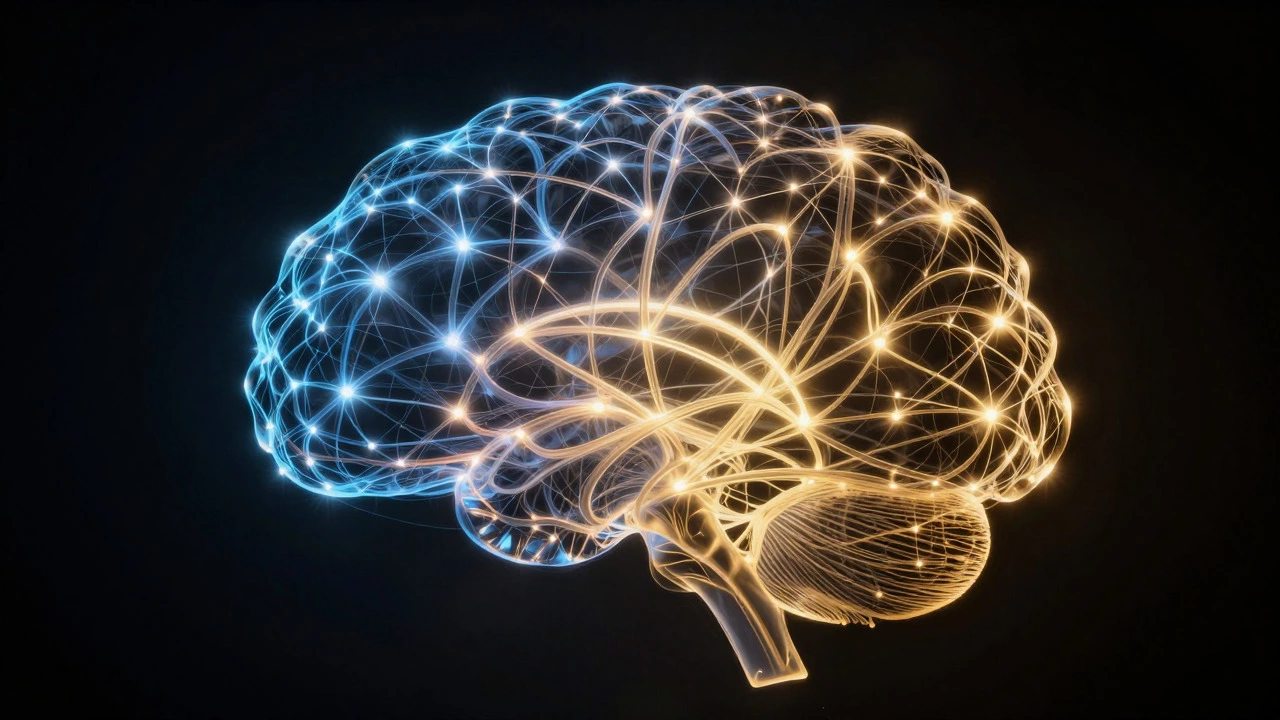
Let’s dive deeper into emotional intelligence, as it’s the engine of personality development. Daniel Goleman popularized this concept, emphasizing that EQ predicts success better than IQ in many leadership roles. Why? Because work is collaborative. You need to negotiate, resolve conflicts, and motivate teams.
Consider a scenario: A project deadline is missed. A low-EQ response might be blame-shifting: "It’s Sarah’s fault she sent the files late." A high-EQ response focuses on solution and empathy: "We missed the deadline. Let’s understand what went wrong and how we can support each other next time." The latter builds trust. Trust builds loyalty. Loyalty builds results.
The Impact of Environment on Personality
Your environment shapes your personality significantly. Surround yourself with people who challenge you positively. If everyone around you complains, you’ll likely become a complainer. If they discuss ideas and growth, you’ll adopt that mindset. This is known as social contagion.
Also, curate your digital environment. Unfollow accounts that make you feel inadequate. Follow educators, thinkers, and creators who inspire you. Your input determines your output.
Measuring Progress in Personal Growth
How do you know if you’re making progress? Look for external signals. Are people seeking your advice more often? Do conflicts resolve faster? Do you feel calmer in stressful situations? These are tangible indicators of a developing personality.
You can also use standardized assessments like the Big Five personality test periodically. While not perfect, they provide a baseline to track changes in openness, conscientiousness, extraversion, agreeableness, and neuroticism over time.
Is personality development the same as self-help?
Not exactly. Self-help often focuses on quick fixes or specific outcomes like wealth or fitness. Personality development is broader and deeper, focusing on fundamental traits, emotional regulation, and interpersonal dynamics. It’s about who you are, not just what you achieve.
Can introverts develop a strong personality?
Absolutely. Introversion is a preference for lower stimulation, not a weakness. Introverts can develop powerful personalities through deep listening, thoughtful communication, and focused expertise. Many great leaders, like Barack Obama or Bill Gates, are introverts who leveraged their natural strengths.
How long does it take to see changes in personality?
Minor behavioral changes can happen in weeks, but deep personality shifts typically take six months to two years of consistent effort. Neuroplasticity requires repetition to form new neural pathways. Patience and persistence are essential.
Does age limit personality development?
No. Research shows that personality can change throughout adulthood. In fact, many people become more conscientious and emotionally stable as they age. It’s never too late to invest in your personal growth.
What is the biggest barrier to personality development?
The biggest barrier is ego. Admitting flaws and accepting feedback requires humility. If you believe you are already perfect, you stop growing. Embracing vulnerability is the first step toward true development.