Personal Skill Builder
Start Your 21-Day Skill Development
Developing personal skills isn’t about becoming a better version of yourself in some abstract, motivational poster kind of way. It’s about learning how to do the small things well-so the big things become easier. It’s showing up on time when you’re tired. It’s saying no to distractions so you can finish what matters. It’s staying calm when someone cuts you off in traffic or when your boss gives you feedback that stings. These aren’t talents you’re born with. They’re habits you build, one day at a time.
What Exactly Are Personal Skills?
Personal skills-sometimes called soft skills or life skills-are the behaviors, attitudes, and habits that help you manage yourself and interact with others. They’re not technical. You won’t find them on a job description that says "must know Python" or "proficient in Excel." But they’re often the difference between getting hired, promoted, or just staying stuck.
Think of them as the invisible infrastructure of your daily life. Emotional regulation. Active listening. Time management. Resilience. Adaptability. Self-awareness. These aren’t fluffy ideas. They’re measurable abilities. A 2023 study from the World Economic Forum found that 75% of long-term job success comes from these skills, not technical knowledge. That’s not a guess. That’s data from companies hiring and firing people every day.
When you develop personal skills, you’re not trying to be perfect. You’re learning how to handle messiness-your own and other people’s. You stop blaming circumstances and start asking: "What can I control here?"
Why Most People Fail at Building Personal Skills
People think personal development means reading ten self-help books or meditating for an hour every morning. That’s not development. That’s performance.
The real problem? Most people treat personal skills like a checklist. "I’ll work on communication," they say, then buy a course and never practice it. Or they try to fix everything at once-confidence, discipline, emotional control-and burn out by week three.
Here’s the truth: personal skills grow through repetition, not inspiration. You don’t become better at managing anger by reading about it. You become better by noticing when you’re about to snap, taking a breath, and choosing a different response-even if it feels awkward. You do it again the next day. And the next.
Another mistake? Waiting for motivation. Motivation doesn’t come before action. It comes after. You don’t wait to feel like exercising to get fit. You move first, and the feeling follows. The same goes for personal skills. Start small. Do one thing differently. Then do it again.
Five Core Personal Skills That Make the Biggest Difference
You don’t need to master all of them at once. But if you focus on just these five, you’ll notice changes in your relationships, work, and peace of mind within weeks.
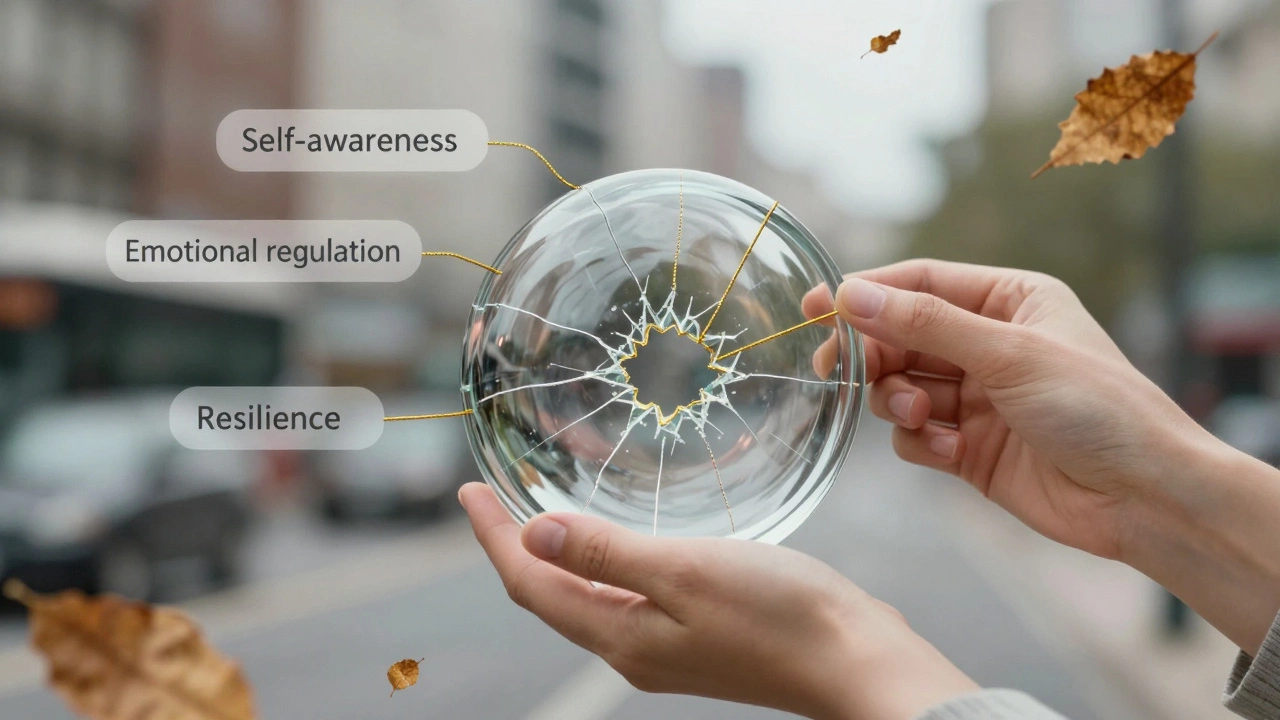
- Self-awareness: Knowing your triggers, strengths, and blind spots. Not judging them-just noticing them. Example: You realize you shut down when criticized, so you pause before reacting.
- Emotional regulation: Not suppressing feelings, but choosing how to express them. Example: Instead of texting an angry message, you write it out, then delete it. Then you talk calmly.
- Active listening: Hearing to understand, not to reply. Most people wait for their turn to speak. Good listeners absorb, then respond. This builds trust fast.
- Time management: Not about schedules. It’s about protecting your attention. Saying no to low-value tasks so you can say yes to what moves the needle.
- Resilience: Not bouncing back instantly. It’s learning how to keep going when things don’t go as planned. It’s getting up after a setback, not because you’re strong, but because you’ve practiced getting up before.
These aren’t traits you’re born with. They’re skills you train-like playing an instrument or learning a language. You get better with practice, not magic.
How to Start Developing Personal Skills (Without Overwhelm)
You don’t need a coach, a journal, or a 6-month plan. You need one small habit.
- Choose one skill. Pick the one that’s causing the most friction in your life right now. Is it patience? Confidence? Saying no? Pick one.
- Find one trigger. What situation makes this skill hard? Maybe it’s when your partner raises their voice. Or when you get a critical email. Identify the exact moment.
- Replace one reaction. Instead of yelling, pause and take three breaths. Instead of saying yes to every request, say, "Let me think about it and get back to you." Make the new response tiny, doable, and repeatable.
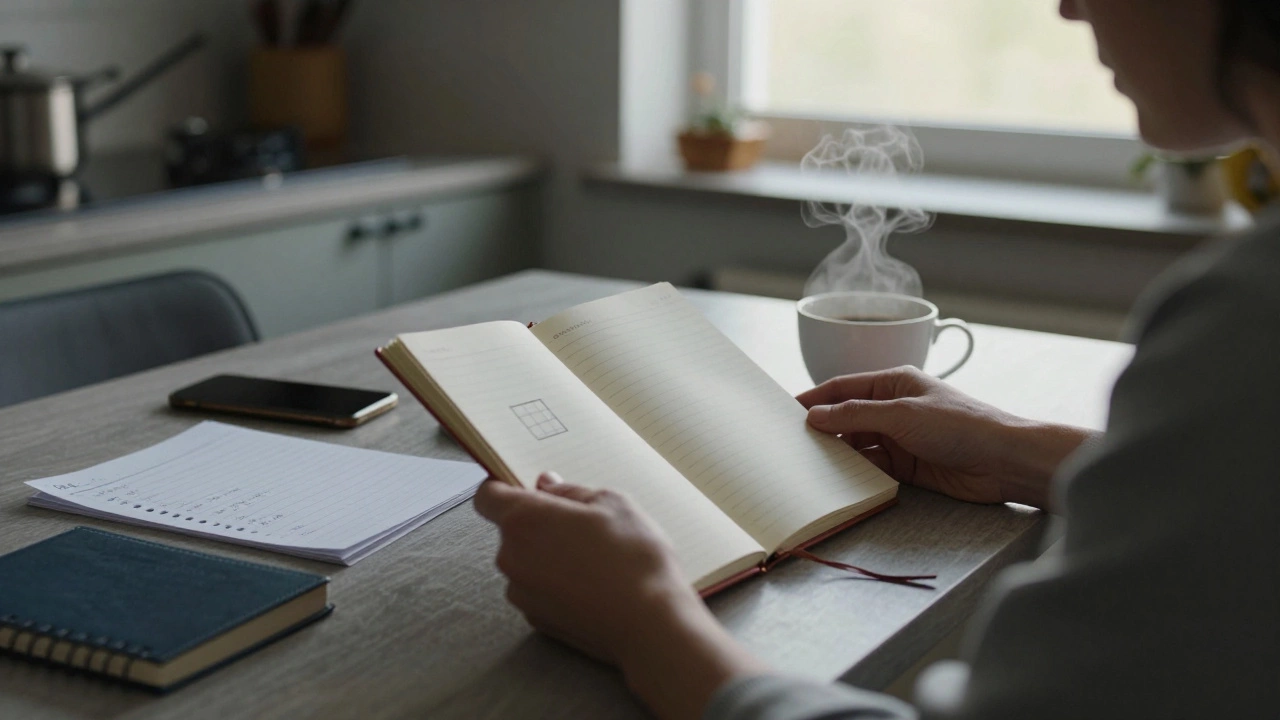
- Track it for 21 days. Use a simple note on your phone. Just check off each day you did it. No judgment. Just consistency.
That’s it. No apps. No expensive courses. Just a tiny change, repeated. After 21 days, you’ll notice something strange: you’re not trying as hard. The new behavior feels more natural. That’s the skill sticking.
Real-Life Examples: Skills That Changed People’s Lives
One woman in Melbourne started practicing active listening with her teenage daughter. Instead of jumping in with advice, she just said, "Tell me more." Within a month, her daughter started talking about school, friends, anxiety-things she hadn’t shared in years.
A man in Brisbane kept missing deadlines because he said yes to every request. He started using the phrase, "I’d love to help, but I’m at capacity right now." He lost zero clients. He gained back 10 hours a week. His stress dropped. His sleep improved.
A student in Sydney struggled with public speaking. Instead of trying to be fearless, she practiced speaking up in small groups-once a week, just one sentence. After six weeks, she presented in front of her class without panic. She didn’t become a great speaker. She just became someone who could speak without freezing.
These aren’t miracles. They’re results of focused, consistent effort on one skill at a time.
What Personal Skills Don’t Do
They won’t make you rich overnight. They won’t fix a toxic job or an unhealthy relationship. They won’t turn you into someone else.
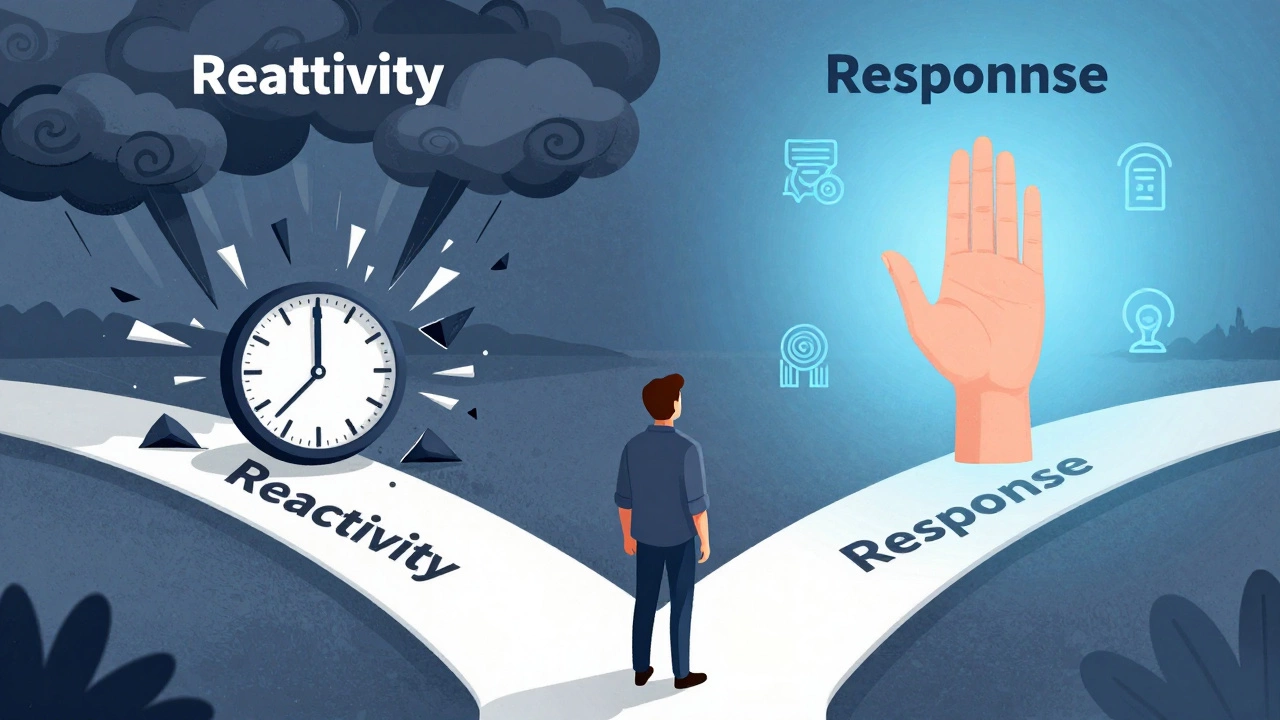
What they do is give you back your power. They help you respond to life instead of reacting to it. You stop feeling like a victim of your emotions, your schedule, or other people’s moods. You become the author of your reactions.
Personal skills don’t remove challenges. They change how you carry them.
Where to Go From Here
Start with one skill. One trigger. One tiny change. Don’t look for the perfect system. Don’t wait for the right time. Do it now, even if it’s messy.
Ask yourself this: What’s one thing you keep doing that makes your life harder? That’s your starting point. Not tomorrow. Not next week. Today.
Developing personal skills isn’t about becoming perfect. It’s about becoming present. And that’s the only thing that truly lasts.