Prejudice Awareness Quiz
How Well Do You Recognize Prejudice?
Answer these questions based on your real-world experiences. Your responses will be used to calculate a prejudice awareness score.
Your Prejudice Awareness Score
0
/ 12
Prejudice Awareness Level
When you think of Pride and Prejudice, you probably picture a ballroom, a dashing Mr. Darcy, or Elizabeth Bennet’s sharp wit. But the real heart of Jane Austen’s novel isn’t romance-it’s about how people change when they stop pretending to be someone they’re not. The main message? True connection only happens when you drop your pride and confront your prejudice.
It’s Not About Finding Love-It’s About Seeing Clearly
Most people think Pride and Prejudice is a love story. And yes, Elizabeth and Darcy end up together. But their relationship isn’t the point-it’s the proof. The real story is how both of them had to unlearn everything they thought they knew about each other, and about themselves.
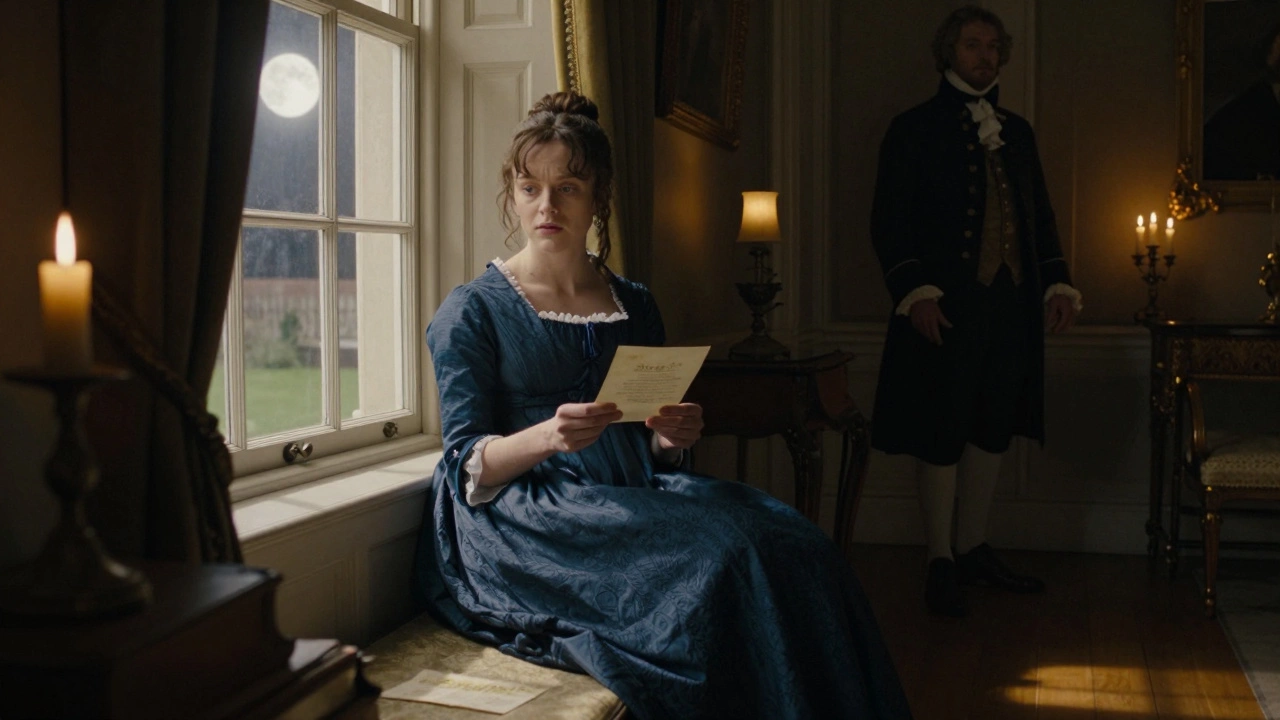
Elizabeth thinks Darcy is arrogant because he refuses to dance at the ball. She believes Wickham’s charming lies without asking questions. Darcy thinks Elizabeth’s family is beneath him because they lack manners and money. Neither of them sees the other as they truly are. They’re both trapped in their own assumptions.
Austen doesn’t reward them for being rich or pretty. She rewards them for being honest-with themselves first. Elizabeth admits she was wrong about Darcy. Darcy admits he was cruel. That’s the turning point. Not the proposal. Not the estate. The moment they stop defending their first impressions.
Class Isn’t Just About Money-It’s About Behavior
The Bennet family doesn’t have much money. But they’re not poor. They’re landed gentry. Their problem? They act like they’re above their station, or below it-depending on who’s watching. Mrs. Bennet shrieks in public. Lydia runs off with a soldier. Mr. Bennet hides behind sarcasm.
Darcy’s wealth gives him power, but it also gives him blindness. He doesn’t just look down on the Bennets-he looks away from them. He thinks manners are inherited, not learned. He thinks money fixes everything. That’s why he interferes with Bingley and Jane. He doesn’t see Jane’s quiet goodness. He only sees her mother’s loudness.
Austen’s message is brutal: class isn’t about bank accounts. It’s about character. The people who matter-Jane, Elizabeth, even the Gardiners-are kind, thoughtful, and self-aware. The ones who matter least? Lady Catherine, Mr. Collins, and even Darcy before he changes. They’re rich, titled, or polished. But they’re hollow.
Prejudice Is a Faster Trap Than Pride
Pride is easy to spot. It’s the stiff shoulders, the cold stare, the raised eyebrow. But prejudice? That’s quieter. It’s the assumption you don’t even realize you’re making.
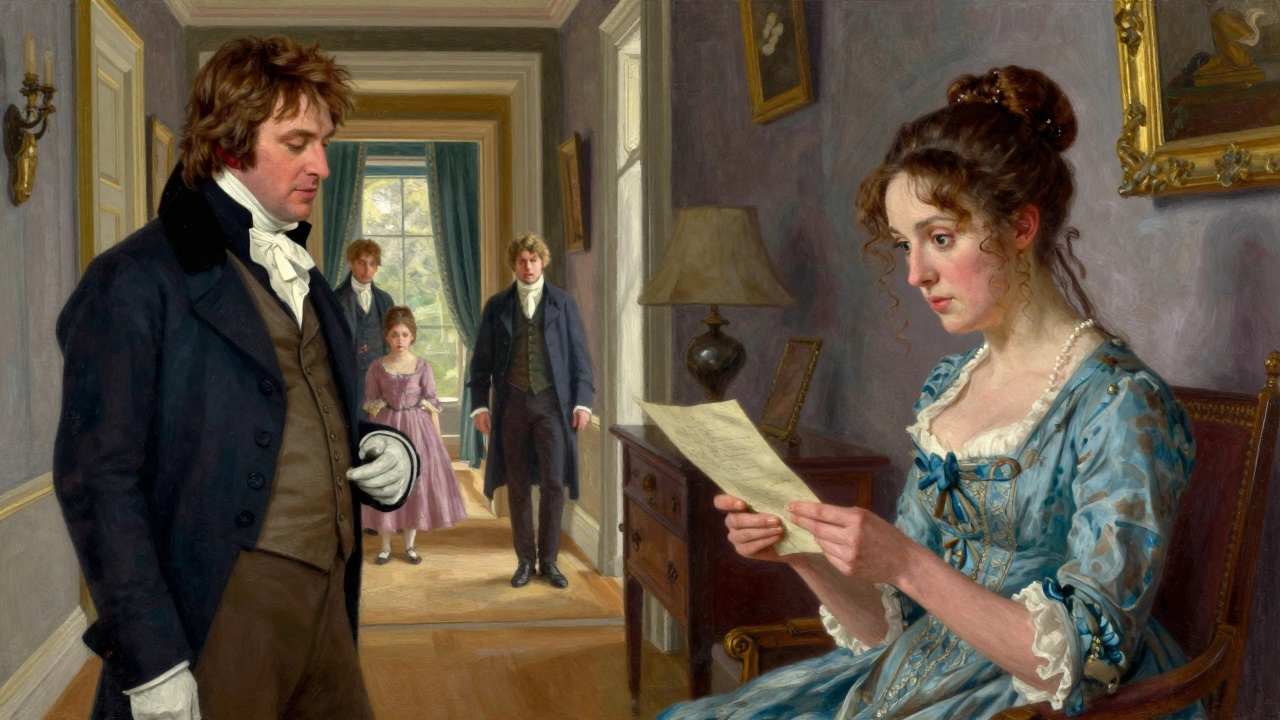
Elizabeth prides herself on being sharp. But her sharpness is just another kind of blindness. She believes Wickham because he fits the story she already told herself: rich men are cruel, poor men are noble. She doesn’t check his story. She doesn’t ask for proof. She just nods and believes.
That’s the danger. Prejudice doesn’t need to be loud. It just needs to feel right. And once it feels right, you stop listening. That’s why Elizabeth doesn’t question Darcy’s letter at first. She’s too busy being right.
Austen doesn’t say you should be perfect. She says you should be willing to be wrong. And that’s harder than any proposal.
Marriage Isn’t the Ending-Self-Awareness Is
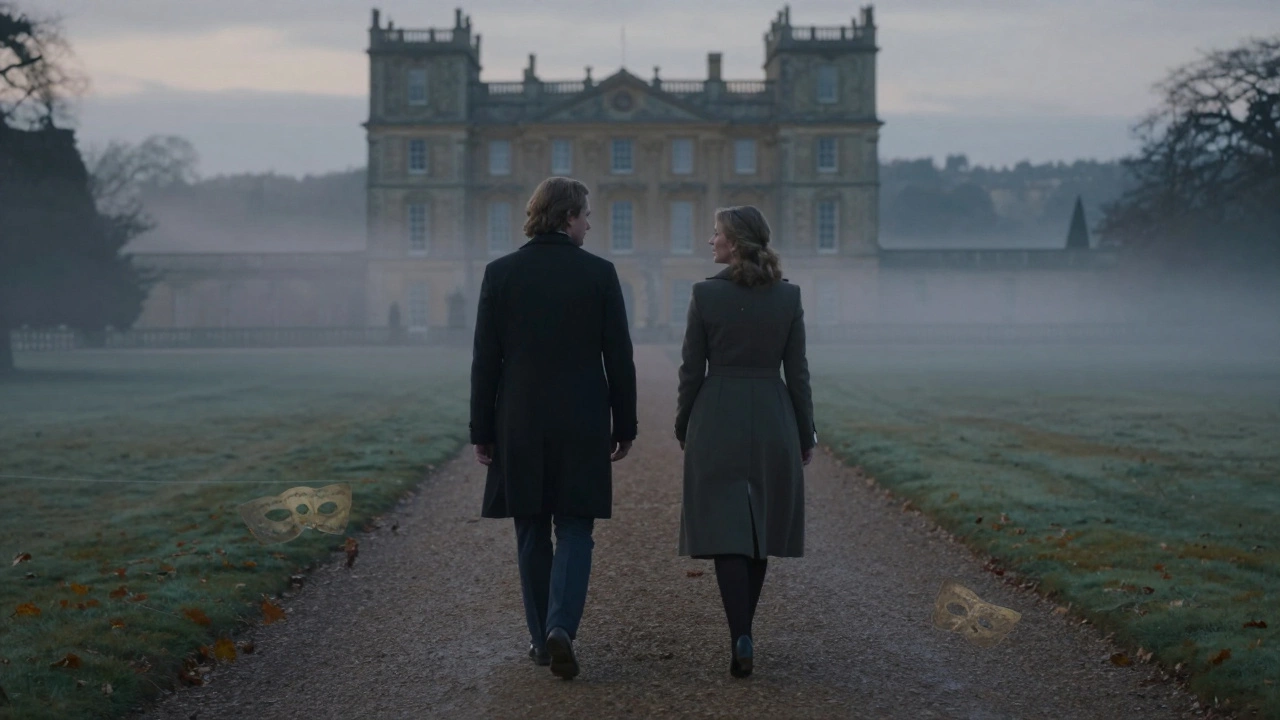
Most adaptations end with the wedding. But Austen’s book doesn’t. It ends with Elizabeth and Darcy walking through Pemberley. Quiet. Together. No fanfare.
That’s the real victory. Not the ceremony. Not the money. Not the social approval. It’s the quiet understanding that they’ve both changed-not because they had to, but because they chose to. Elizabeth stops mocking. Darcy stops judging. They don’t become different people. They become more of themselves.
And that’s the message that still hits today: You can’t build a real relationship on someone else’s image of you. You have to show up as you are-and be brave enough to let them see you.
Why This Still Matters in 2026
Think about social media. We curate our lives. We judge others by their headlines. We believe the first story we hear. We form opinions before we know the facts. We think we’re being smart. We’re just being lazy.
Elizabeth Bennet would scroll through Instagram and think, “Of course he’s arrogant-he posted a picture of his yacht.” Darcy would see a post from someone with bad grammar and assume they’re uneducated. Sound familiar?
Austen wrote this book in 1813. But she was writing about people who refused to look deeper. That’s why it still works. The setting changes. The clothes change. The technology changes. But the human habit? Still the same.
Real connection doesn’t come from being perfect. It comes from being willing to be wrong. From asking: What if I’ve got this all backwards?
What Jane Austen Really Wanted You to Understand
She didn’t write this to sell romance. She wrote it to break a lie: that status equals worth. That wealth equals virtue. That first impressions are truth.
Her heroines aren’t lucky. They’re stubborn. Elizabeth doesn’t marry Mr. Collins because he’s safe. She doesn’t marry Darcy because he’s rich. She waits until she sees him clearly-and until he sees her.
And that’s the quiet revolution of the book. Love isn’t the reward. Self-awareness is. The happy ending isn’t the ring. It’s the silence after you admit you were wrong.