Folklore Evolution & Knowledge Check
1. Who is widely regarded as a central figure in modern folklore studies, particularly regarding fairy tales?
2. What did Stith Thompson create that became a standard classification system?
3. According to the article, what is considered "modern folklore" today?
Have you ever wondered who actually shaped the way we understand old stories today? When people ask who is known as the mother of folklore, they are usually looking for a single name to pin on centuries of oral tradition. The truth is a bit more complex. There isn't just one "mother." Instead, there are a few key women who built the foundation of modern folkloristics-the academic study of folklore. While names like Charles Perrault or the Brothers Grimm often steal the spotlight, women played a crucial role in collecting, analyzing, and preserving these tales.
In this guide, we will break down why this title doesn't belong to just one person. We will look at the pioneering figures who turned scattered myths into a respected field of study. You will discover how their work changed our understanding of culture, identity, and storytelling. Whether you are a student, a writer, or just curious about where your favorite stories come from, this breakdown gives you the real story behind the scholarship.
The Academic Pioneer: Maria Tatar
If you need one name that represents the modern authority on folklore, especially fairy tales, it is Maria Tatar. She is a prominent scholar and professor emerita at Harvard University who has dedicated her career to studying European folk narratives. Many readers and students refer to her as the "mother" of contemporary folklore studies because of her massive influence on how we read and interpret these stories today.
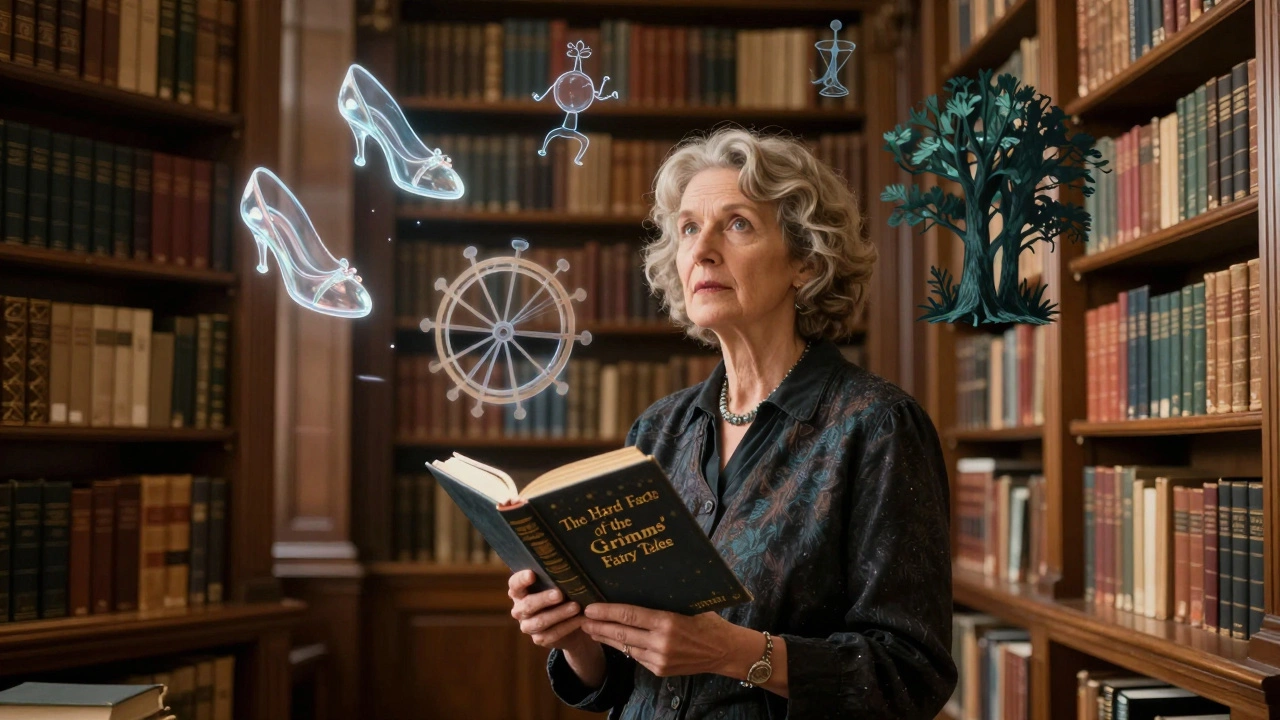
Maria Tatar didn't just collect stories; she analyzed them with deep psychological and cultural insight. Her book, The Hard Facts of the Grimms' Fairy Tales, changed the game. Before her work, many people thought fairy tales were just simple bedtime stories for kids. Tatar showed us that these tales are complex reflections of social fears, gender roles, and historical trauma. She proved that folklore is not static-it evolves with every generation.
| Scholar | Primary Focus | Major Work / Contribution | Impact |
|---|---|---|---|
| Maria Tatar | Fairy Tales, Cultural Analysis | The Hard Facts of the Grimms' Fairy Tales | Reframed fairy tales as serious cultural documents |
| Stith Thompson (Note: Male, but foundational) | Tale Typology | The Motif-Index of Folk-Literature | Created the standard classification system for folk motifs |
| Dorothy Koestler-Gray | African American Folklore | Research on blues and spirituals | Bridged music and oral tradition in minority cultures |
| Barre Toelken (Note: Male, but key figure) | Performance Theory | The Anthropology of Symbolic Violence | Shifted focus from text to performance context |
Tatar’s approach makes folklore accessible. She connects old tales to modern media, showing how Disney movies or Netflix adaptations still rely on the same core structures identified by earlier scholars. For anyone trying to understand the "why" behind the stories, Tatar is the go-to expert. Her work ensures that folklore remains relevant in the 21st century.
The Early Collectors: Women Who Saved the Stories
Before academia took over, folklore lived in the mouths of storytellers. If those stories weren't written down, they would have vanished. This is where early female collectors come in. They might not have had university degrees in "folkloristics," but they did the hard work of preservation.
Consider Charlotte Brontë. Most people know her for Jane Eyre, but she also wrote dark, strange fairy tales as a child with her brother Branwell. These stories, published posthumously as The Professor and other collections, show an early interest in the supernatural and the folkloric. They weren't just copying existing tales; they were creating new ones rooted in the Gothic and folk traditions of Yorkshire.
Then there is Joseph Jacobs's collaborator and editor, Lucy Garnett. While Jacobs is famous for his English Fairy Tales, women like Garnett helped edit and refine these collections, ensuring they reached a wider audience. In many cases, women acted as the bridge between rural storytellers and urban publishers. They listened to grandmothers, servants, and local elders, recording dialects and nuances that male academics often ignored.
- Preservation: Early female writers documented oral traditions before they disappeared due to industrialization.
- Adaptation: They adapted wild, violent folk tales into versions suitable for Victorian children, shaping the "classic" versions we know today.
- Cultural Bridge: They connected rural communities with the literary world, giving voice to marginalized groups.
These women didn't seek fame. They sought to save a part of their heritage. Without them, the raw material for later scholars like Tatar would not exist. They are the unsung mothers of the collection process.
Why Isn't There One "Mother"?
You might wonder why we don't have a single name like "Mother of History" or "Father of Physics." Folklore is different. It is decentralized by nature. Unlike science, which builds on previous experiments, folklore is created everywhere, all the time. It is a living tradition.
The term "mother of folklore" is likely a misattribution or a simplification. People might be thinking of Madame d'Aulnoy, a French noblewoman who wrote some of the first literary fairy tales in the late 17th century. She introduced magical elements like talking animals and shape-shifting, which became staples of the genre. Or perhaps they are thinking of Beatrix Potter, who used animal folklore to create beloved children's books. But neither of them "owned" folklore.
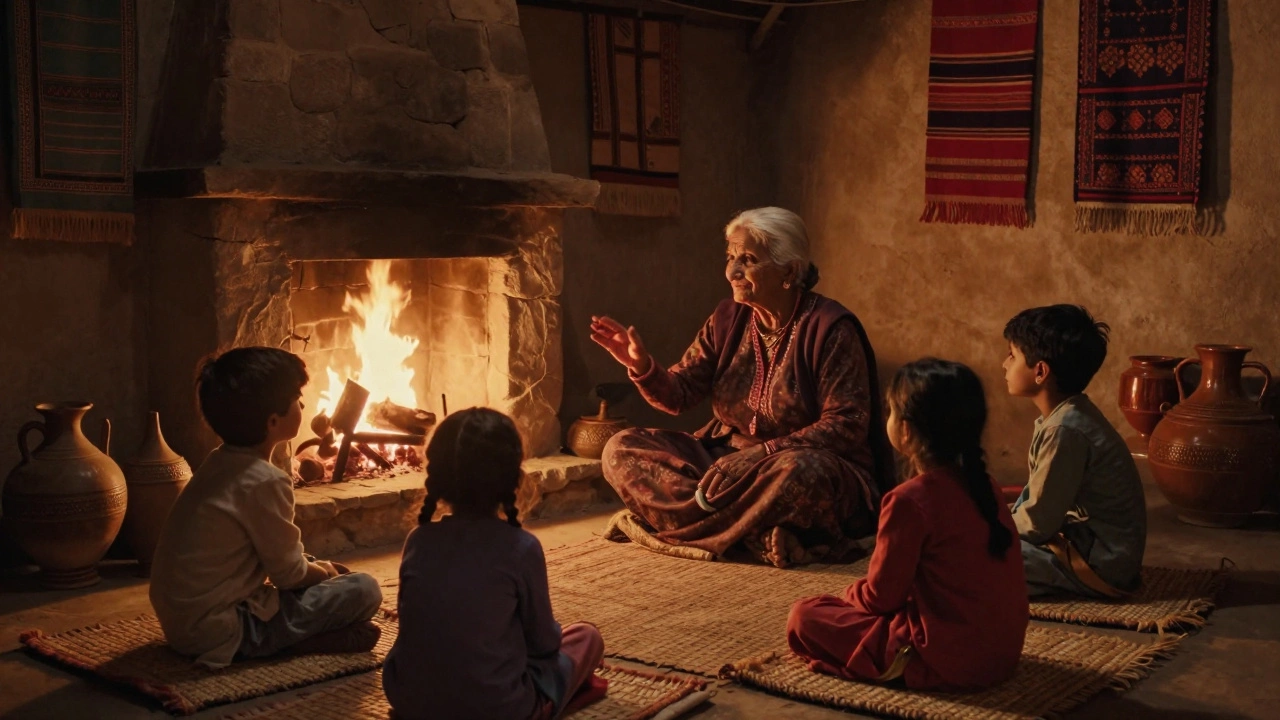
Folklore belongs to everyone. It is a communal resource. Attributing it to one woman ignores the thousands of anonymous women who told these stories around campfires, in kitchens, and in fields for centuries. The "mother" of folklore is actually every grandmother who passed a story to her grandchild. The academic title is a shorthand for the scholars who studied this collective effort.
The Role of Anthropology and Psychology
To truly understand why certain scholars get credit, we need to look at how the field evolved. In the early 20th century, anthropology began to intersect with literature. Scholars started asking: Why do similar stories appear in cultures that never met?
This led to the work of Joseph Campbell and his concept of the "Monomyth" or Hero's Journey. While Campbell was a man, his work relied heavily on the comparative data collected by earlier folklorists. Women scholars contributed significantly to this comparative analysis. They noticed patterns in lullabies, wedding rituals, and mourning songs that revealed universal human experiences.
Psychologists like Bruno Bettelheim also played a role. His book The Uses of Enchantment argued that fairy tales help children deal with emotional conflicts. While controversial, this work brought psychology into folklore studies. Modern scholars like Tatar build on this, using both anthropological data and psychological theory to decode stories.
- Collection Phase: Early 19th century - Recording stories as they were told.
- Classification Phase: Early 20th century - Organizing stories by type and motif (Aarne-Thompson-Uther Index).
- Interpretive Phase: Late 20th century - Analyzing meaning, power dynamics, and cultural context.
- Digital Phase: 21st century - Using databases and AI to track global folklore trends.
Each phase had key contributors. The "mother" title shifts depending on which phase you value most. If you value preservation, it’s the early collectors. If you value interpretation, it’s scholars like Tatar.

Modern Folklore: Beyond Old Tales
Folklore isn't dead. It’s changing. Today, Internet Memes and Urban Legends are the new folklore. Scholars now study creepypasta, viral videos, and online rumors with the same tools used for ancient myths.
Women are leading this charge too. Digital ethnographers are tracking how stories spread across social media platforms. They analyze how a meme evolves from a joke to a cultural symbol. This is the natural evolution of the work started by Tatar and her predecessors. The medium has changed-from oral speech to digital code-but the human desire to share stories remains the same.
For example, the story of "Slender Man" started as an online forum post and became a global phenomenon. It follows the classic structure of a cautionary tale, much like older legends about witches or monsters. Modern scholars dissect these stories to understand contemporary fears, such as anxiety about technology or isolation.
How to Explore Folklore Yourself
You don't need a PhD to appreciate folklore. You can start exploring it right now. Here are some practical steps to dive deeper into the world of folk tales and their scholars.
- Read Primary Sources: Don't just read Disney versions. Read the original Grimm or Andersen tales. Notice the darker, more complex themes.
- Listen to Local Stories: Ask your grandparents or older relatives about stories from their childhood. Record their voices if possible.
- Study the Scholars: Pick up a book by Maria Tatar or Jack Zipes. Their analyses will change how you see every movie or book you consume.
- Join Online Communities: Forums like Reddit’s r/folklore or specialized academic blogs offer great discussions on current trends.
Folklore is a mirror. It reflects who we are, what we fear, and what we hope for. By understanding the scholars who mapped this terrain, you gain a better lens for viewing your own culture.
Is Maria Tatar officially called the Mother of Folklore?
No, there is no official title. However, she is widely regarded as one of the most influential figures in modern folklore studies, particularly regarding fairy tales. Her academic rigor and popular writings have made her a central figure in the field.
Who collected the most famous fairy tales?
The Brothers Grimm (Jacob and Wilhelm Grimm) are the most famous collectors. However, they relied heavily on informants, including women like Dorothea Viehmann, who provided many of the original oral accounts.
What is the difference between folklore and mythology?
Mythology typically refers to sacred stories involving gods and creation, often tied to religion. Folklore includes a broader range of traditional beliefs, customs, tales, and songs shared by a community, including secular stories like fables and legends.
Are there any male scholars considered fathers of folklore?
Yes, figures like Andrew Lang and Stith Thompson are often cited as foundational figures. Lang edited the famous "Blue Fairy Books," and Thompson created the motif-index system used by scholars worldwide.
Where can I find Maria Tatar's work?
Her major works include The Hard Facts of the Grimms' Fairy Tales, Enchanted Voices, and Off With Her Head!. These are available in most libraries and bookstores. They provide excellent entry points into folklore analysis.