YA Readership Calculator
Based on industry data, adults make up approximately 55% of YA fiction readers in countries like the US, Canada, and Australia. This calculator helps you see the breakdown between adult and teen readers.
Readership Breakdown
Adult readers: 0
Teen readers: 0
Note: Based on data from the Book Industry Study Group showing adults make up nearly 55% of YA readers in the US, Canada, and Australia.
Young adult fiction isn’t just for teenagers. That’s the first thing you need to know. If you think YA books are only for 13- to 18-year-olds, you’re missing half the story. The real audience for young adult fiction is wider, deeper, and more diverse than most people assume. It’s not about age-it’s about experience, emotion, and the search for identity.
Teens are the core, but not the only readers
Yes, teenagers are the primary target. They’re the ones navigating first jobs, first heartbreaks, figuring out who they are, and dealing with pressure from school, parents, and social media. YA fiction gives them mirrors and windows-mirrors to see their own struggles reflected, and windows into lives different from their own. Books like The Hate U Give by Angie Thomas or One of Us Is Lying by Karen M. McManus speak directly to teens facing racism, bullying, or systemic injustice. These aren’t just stories-they’re lifelines.
But here’s the truth: teens aren’t buying these books alone. In fact, in Australia, Canada, and the U.S., adults make up nearly 55% of YA readers, according to data from the Book Industry Study Group. Why? Because YA doesn’t talk down to its audience. It doesn’t sugarcoat pain. It doesn’t avoid hard topics like mental health, trauma, sexuality, or death. That raw honesty pulls in readers of all ages.
Why adults keep reading YA
Adults return to YA because it’s fast, emotional, and uncluttered. Unlike literary fiction that often lingers in introspection, YA moves. It’s got pacing, stakes, and clear emotional arcs. A 16-year-old protagonist fighting to save their friend or escape an abusive home? That’s compelling whether you’re 15 or 45.
Many adults say they read YA to reconnect with their own teenage years-not to relive the drama, but to remember what it felt like to believe the world was watching, that every decision mattered, and that no one understood them. It’s nostalgia with purpose. Books like The Perks of Being a Wallflower by Stephen Chbosky or Looking for Alaska by John Green aren’t just about high school-they’re about the moment you realized you were no longer a child, but not yet an adult. That liminal space? That’s universal.
There’s also the comfort factor. YA often ends with hope, even when the journey is dark. After a long day of work, bills, or family stress, readers crave stories where someone wins, even if it’s small. A character finally speaking up. A friendship repaired. A self-acceptance that doesn’t come with a fairy-tale ending, but feels real. That’s powerful.
Teachers, librarians, and parents are gatekeepers-and readers
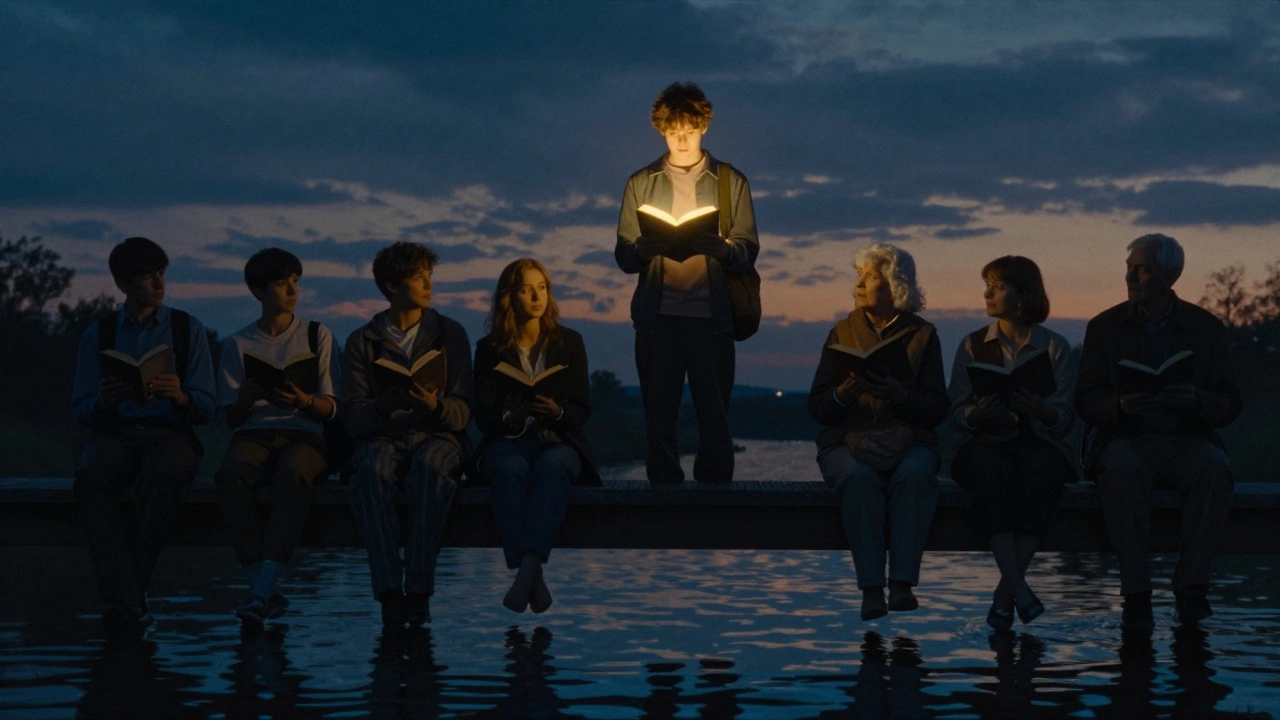
Schools and libraries are major drivers of YA sales. Teachers assign books like To Kill a Mockingbird (yes, it’s now classified as YA in many curriculums) or The Book Thief because they spark classroom discussion. Librarians curate YA sections not just for teens, but for reluctant readers of all ages. Parents buy YA books because they want to understand what their kids are reading-and sometimes, they end up reading them first.
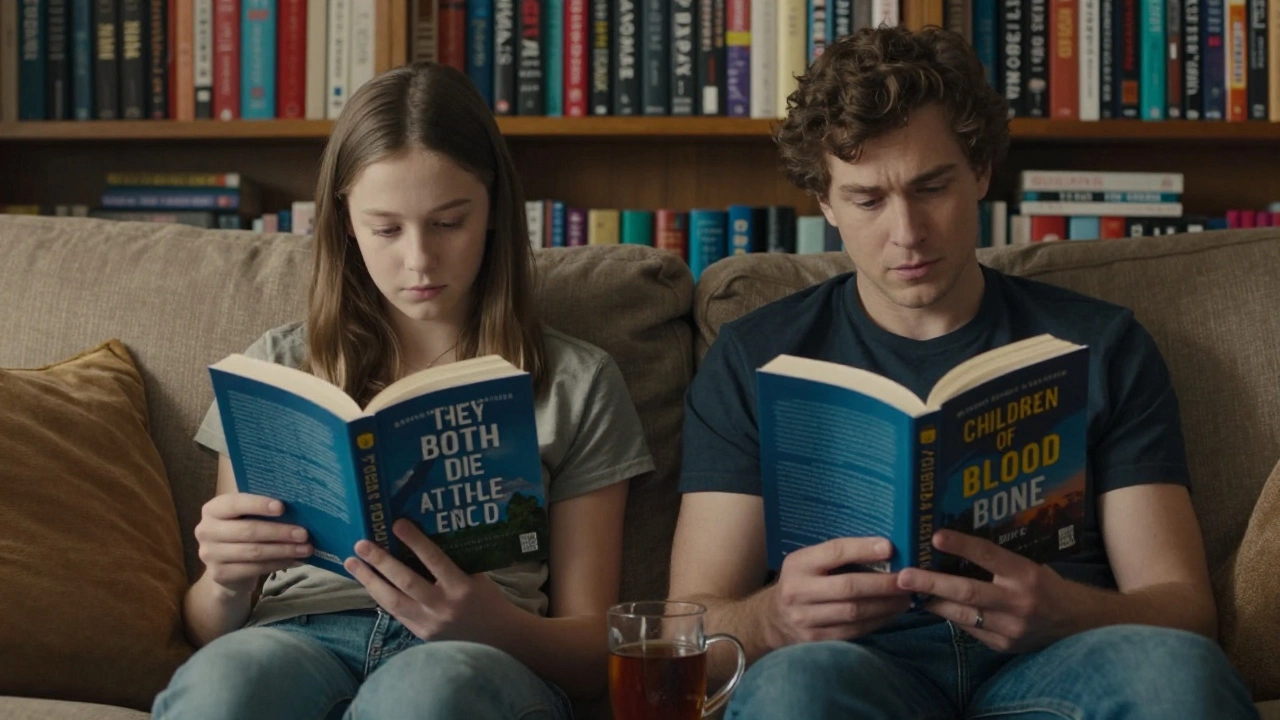
It’s not unusual for a parent to finish a YA novel and text their teen: “I just read your book. Can we talk?” That’s the quiet magic of YA. It doesn’t just entertain-it connects generations.
Who else reads YA? Diverse readers, global audiences
YA has exploded globally. In countries like Brazil, India, and South Korea, local YA markets are growing fast. Authors like R.F. Kuang (The Poppy War) and Tomi Adeyemi (Children of Blood and Bone) write stories rooted in non-Western cultures, and readers from those backgrounds are finally seeing themselves in mainstream fiction. That representation isn’t just nice-it’s necessary.
Queer readers, neurodivergent readers, disabled readers-all of them are finding their voices in YA. Books like They Both Die at the End by Adam Silvera or The Silence of Six by E.C. Myers give space to identities that were long ignored in mainstream publishing. These aren’t niche titles anymore. They’re bestsellers.
And let’s not forget the 20-somethings. Many readers in their early 20s still identify with YA protagonists. College life, first real jobs, financial stress, and identity crises? YA handles those too. Books like Dear Evan Hansen (the novel adaptation) or One Last Stop by Casey McQuiston resonate with readers who are technically adults but still figuring things out.
What YA doesn’t do
YA doesn’t pretend life is simple. It doesn’t offer easy answers. It doesn’t shield its readers from pain. But it also doesn’t leave them alone in it. That’s why it works.
Compare YA to adult fiction: adult novels often end ambiguously. YA endings might be bittersweet, but they usually include growth. The protagonist doesn’t always win the prize, but they win something more important: self-awareness. That’s why readers keep coming back. They’re not just reading for plot-they’re reading for proof that they can survive, too.
The real audience? Anyone who remembers what it’s like to feel everything
So who is the audience for young adult fiction? Teens, yes. But also adults who still feel the ache of being misunderstood. Readers who crave stories with heart, not just complexity. People who want to believe that even when the world is broken, you can still choose kindness. That you can change. That you’re not alone.
YA fiction isn’t a genre for a specific age group. It’s a genre for anyone who’s ever been afraid, hopeful, lost, or found. And that’s most of us.
Is young adult fiction only for teenagers?
No. While teenagers are the primary target, adults make up nearly 55% of YA readers in countries like the U.S., Canada, and Australia. Adults read YA for its emotional honesty, fast pacing, and themes of identity and growth that resonate across ages.
Why do adults enjoy YA books so much?
Adults enjoy YA because it cuts through complexity and gets to the heart of human emotion. YA books tackle real issues-mental health, injustice, love, loss-with clarity and hope. They’re often faster-paced than adult literary fiction and offer emotional closure that many readers find comforting.
Are YA books too simple for adult readers?
Not at all. Many YA novels explore complex themes like systemic racism, trauma, gender identity, and political oppression with nuance. Books like The Hate U Give or Children of Blood and Bone have been taught in university courses. Simplicity in writing doesn’t mean simplicity in ideas.
Can someone over 30 still relate to YA?
Absolutely. Many readers in their 30s and beyond connect with YA because it captures the feeling of transition-leaving childhood behind, facing adult responsibilities, and searching for belonging. These aren’t just teen experiences-they’re human ones.
Do parents read YA books to understand their teens?
Yes. Many parents read YA to bridge the gap with their children. Books like It’s Kind of a Funny Story or Speak help parents understand mental health struggles their teens might be facing. It’s not just about keeping up-it’s about connecting.