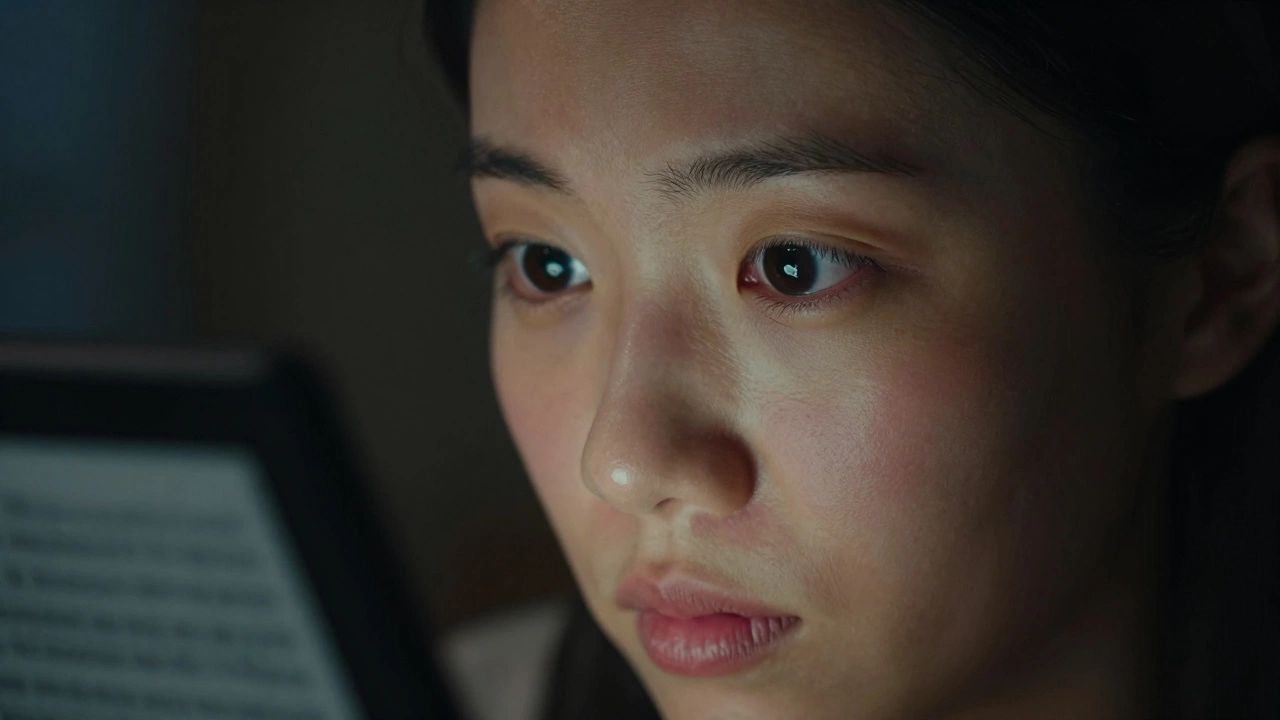
Have you ever found yourself blushing, heart racing, or feeling a sudden surge of desire while reading a book? You are not alone. In fact, you are part of a massive global community. Romance is consistently the highest-grossing genre in fiction, often outselling thrillers and science fiction combined. But why does ink on paper-or pixels on a screen-trigger such a visceral, physical response? It isn’t just about the plot. It’s about how your brain processes fantasy, safety, and intimacy all at once.
The Brain on Fantasy: Why Reading Feels Real
Your brain doesn't always distinguish between what you experience directly and what you imagine vividly. When you read a steamy scene, your mirror neurons fire as if you were living it. This neural mechanism allows us to empathize with characters, but in romance, it goes deeper. It activates the sensory cortex. If a character touches another’s skin, your brain lights up in areas responsible for touch sensation. If they kiss, regions linked to pleasure and reward engage.
This phenomenon is called embodied cognition, which is the theory that our cognitive processes are deeply rooted in the body's interactions with the world. For readers, this means the "fictional" barrier is thinner than you think. You aren't just observing; you are simulating the experience. The lack of real-world risk makes the simulation even more potent. There is no awkwardness, no rejection, and no messy logistics. Just pure, distilled connection.
Consider the difference between watching a movie and reading a book. A movie shows you the action from the outside. A novel puts you inside the character’s head. You feel their anticipation, their hesitation, and their release. This internal perspective creates a stronger emotional bond, making the arousal feel personal rather than observational.
Safety and Control: The Perfect Playground
Real-life dating is exhausting. It involves miscommunication, potential rejection, and the vulnerability of exposing your desires to someone who might judge them. Romance novels offer a controlled environment where these risks are removed. You have total control over when to start, when to stop, and what kind of scenarios you explore.
This sense of safety is crucial for arousal. According to psychological research on sexual response, relaxation and security are prerequisites for desire. When you know the outcome will be satisfying (because romance novels guarantee a Happy Ever After or Happy For Now), your brain can let go of anxiety. You don't have to worry about whether the partner will respect boundaries or if the relationship will end in heartbreak. The narrative arc ensures emotional payoff.
This predictability allows you to explore fantasies that might feel too taboo or complicated in real life. Maybe you’re curious about power dynamics, age gaps, or specific kinks. The novel provides a sandbox to test these waters without any real-world consequences. It’s like a flight simulator for intimacy-you get the thrill of the ride without the danger of crashing.
The Power of Emotional Intimacy
While physical attraction gets the headlines, emotional intimacy is often the true engine of arousal in romance novels. Many readers report that the "slow burn"-the gradual building of trust and understanding-is more exciting than the sex itself. This aligns with the concept of attachment theory, which suggests human beings are biologically driven to form strong emotional bonds with others for survival and well-being.
In a romance novel, the protagonist usually undergoes significant emotional growth. They learn to open up, to trust, and to love despite past trauma. As a reader, you witness this vulnerability firsthand. Seeing a guarded character finally drop their walls triggers a deep empathetic response. You feel their relief and joy. This emotional resonance releases oxytocin, the bonding hormone, which enhances feelings of closeness and warmth.
For many women especially, emotional connection is a primary turn-on. The detailed inner monologues in romance novels provide a level of insight into the male psyche that is rarely available in real life. You know exactly what he is thinking, why he hesitates, and how much he cares. This transparency eliminates the guesswork that plagues real relationships, allowing you to focus entirely on the intensity of the connection.
Dopamine and the Reward System
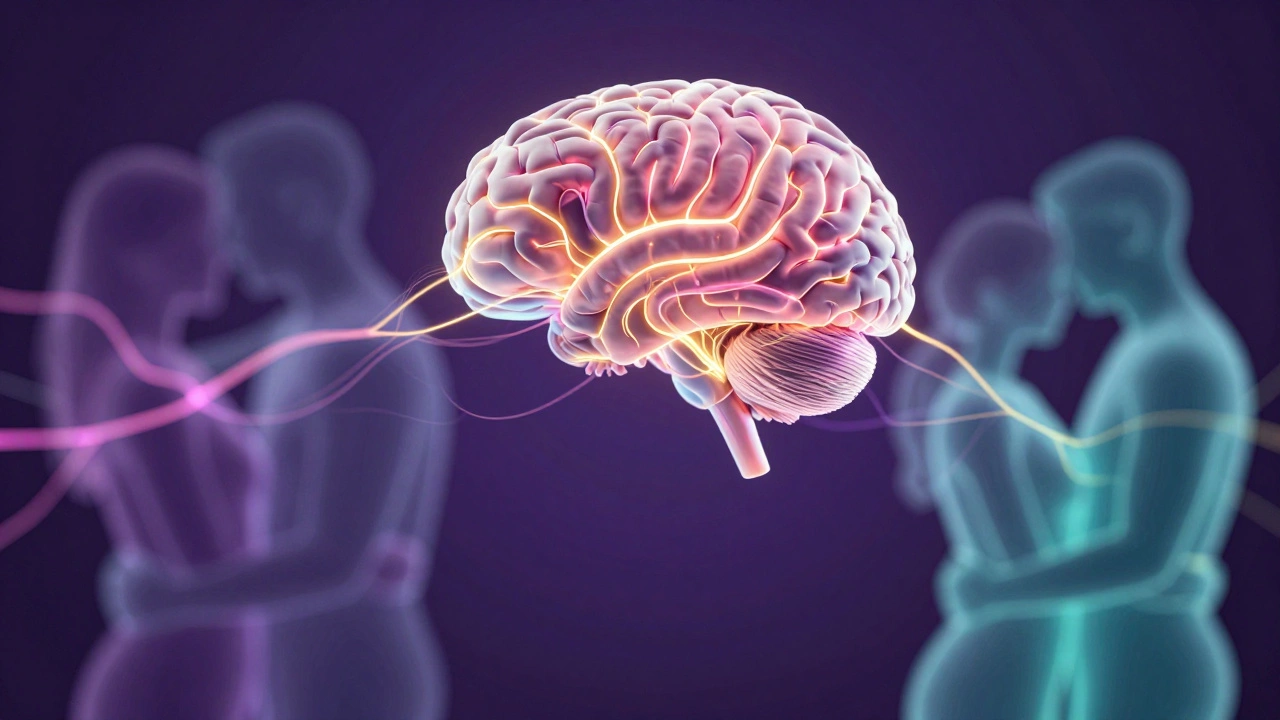
Let’s talk chemistry. Reading romance stimulates the release of dopamine, the neurotransmitter associated with pleasure and reward. Every time a couple shares a glance, a touch, or a confession, your brain registers a small win. These micro-rewards keep you turning pages, creating a feedback loop of anticipation and satisfaction.
This is similar to the way gambling or video games hook players. The variable reward schedule keeps you engaged. Will they kiss now? Will they wait until the next chapter? The uncertainty builds tension, and the resolution provides relief. This cycle of tension and release mirrors the physiological pattern of sexual arousal. Your heart rate increases, your palms sweat, and your breathing quickens during high-stakes scenes. Then, when the climax arrives, your body relaxes, mimicking the post-orgasmic state.
Studies using fMRI scans have shown that reading romantic prose activates the same brain regions involved in actual sexual activity. However, the key difference is duration. A real-life encounter might last minutes or hours. A romance novel can sustain this heightened state of arousal and emotional engagement for days or weeks. You live in the honeymoon phase for an entire book.
Escapism and Idealized Love
We live in a complex, often cynical world. Romance novels offer an escape to a place where love conquers all. They present idealized versions of relationships where communication is perfect, misunderstandings are resolved quickly, and passion never fades. This isn’t naive; it’s necessary. We need reminders that intense, fulfilling love is possible.
This escapism serves a restorative function. After a stressful day at work or dealing with family drama, diving into a story about two people finding each other can be incredibly soothing. It replenishes your emotional reserves. The idealization acts as a counterbalance to the disappointments of reality. It doesn’t mean you expect your real life to match the book; it means you allow yourself to dream and feel hope.
Furthermore, romance novels often feature diverse representations of love. Whether it’s historical settings, paranormal elements, or contemporary issues, the core theme remains universal: human connection. This universality makes the stories relatable across cultures and backgrounds. You see parts of yourself in the characters, validating your own desires and experiences.
| Aspect | Real-Life Dating | Romance Novel |
|---|---|---|
| Risk Level | High (rejection, judgment) | Zero (controlled environment) |
| Outcome Certainty | Uncertain | Guaranteed Happy Ending |
| Emotional Depth | Variable, requires effort | Deep, immediate access to thoughts |
| Duration of Honeymoon Phase | Short-lived | Sustained throughout the book |
| Physical Consequences | Pregnancy, STIs, messiness | None |
Exploring Identity and Desire
Romance novels also serve as a safe space to explore your own identity and desires. By identifying with the protagonist, you can experiment with different aspects of your personality. Maybe you’re usually shy, but in the book, you channel the heroine’s boldness. Or perhaps you’re curious about a dynamic you’ve never experienced. The book allows you to live vicariously through the character, gaining insights into what truly turns you on.
This exploration is particularly valuable for people who may not have had opportunities to discuss sexuality openly. Romance provides a language for desire. It normalizes talking about consent, pleasure, and emotional needs. Many readers report that reading romance helped them understand their own bodies and communicate better with their partners.
Moreover, the genre has evolved significantly. Modern romance includes diverse voices, representing LGBTQ+ relationships, interracial couples, and people with disabilities. This inclusivity broadens the scope of who gets to experience this arousal and validation. It challenges stereotypes and expands the definition of attractive and desirable.
The Community Aspect
You are not just reading alone; you are part of a vibrant community. Online forums, book clubs, and social media groups dedicated to romance are thriving spaces where readers share recommendations, discuss tropes, and celebrate the genre. This shared enthusiasm amplifies the enjoyment. Knowing that millions of others find the same things arousing validates your interests.
Discussing books with friends or online communities adds a social layer to the experience. You analyze scenes, debate character choices, and anticipate twists together. This collective engagement keeps the excitement alive long after you finish the book. It transforms a solitary act into a communal celebration of love and desire.
Is it normal to feel aroused by fictional characters?
Yes, it is completely normal. Paraphilias involving fictional entities are common and harmless as long as they do not interfere with daily life or real-world relationships. Your brain responds to vivid imagery and emotional narratives, regardless of whether the source is real or imagined.
Do romance novels affect real-life relationships?
They can have both positive and negative effects. Positively, they can inspire better communication and creativity in the bedroom. Negatively, if you expect real partners to behave exactly like fictional heroes, you may become disappointed. The key is to enjoy the fantasy while maintaining realistic expectations for reality.
Why do I prefer slow-burn romances over explicit ones?
Slow-burn romances focus heavily on emotional buildup and tension, which can be more stimulating for readers who value psychological intimacy. The anticipation and gradual release create a prolonged dopamine reward, whereas explicit scenes provide immediate gratification. Both are valid preferences depending on your arousal style.
Can reading romance help with low libido?
For some people, yes. Reading romance can reignite interest in intimacy by providing new ideas and reducing performance anxiety. It allows you to explore desires in a low-pressure setting. However, if low libido persists, it’s important to consult a healthcare provider to rule out underlying medical or psychological causes.
Are there differences in how men and women respond to romance novels?
Research suggests that women tend to read romance more frequently and derive greater emotional satisfaction from it. Men may prefer more explicit content or different genres like erotica. However, individual preferences vary widely, and many men enjoy romance novels for their storytelling and emotional depth.