Reading Habit Reboot Calculator
Input your current or desired reading habits to see how small changes can compound into significant literary consumption and mental clarity.
0
Books Read Per Year
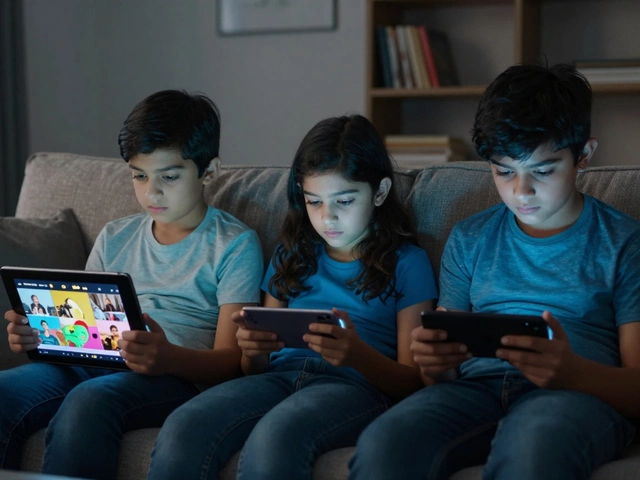
You open a book. You read three sentences. Your phone buzzes. You check it. Twenty minutes later, you’re still on the same page, but your mind is halfway across the internet. Sound familiar? If you’ve felt like reading has become harder, you aren’t imagining things. Data confirms what many of us feel: average reading time per day has dropped significantly over the last decade. But why? It isn’t just that we’re lazy. The shift is structural, psychological, and technological.
| Factor | Impact Mechanism | Data Insight (2024-2026) |
|---|---|---|
| Digital Distraction | Fragments attention spans; reduces deep focus capacity. | Average smartphone unlock rate: 50-150 times/day. |
| Algorithmic Feeds | Prioritizes short-form content over long-form narrative. | TikTok/Reels users report 40% less patience for text >500 words. |
| Economic Pressure | Reduces leisure time; increases cognitive load from work. | 35% of adults cite "lack of time" as primary barrier to reading. |
| Audio Substitution | Shifts consumption from visual decoding to passive listening. | Audiobook sales up 20%; physical book sales flat or declining. |
The Attention Economy Is Eating Our Focus
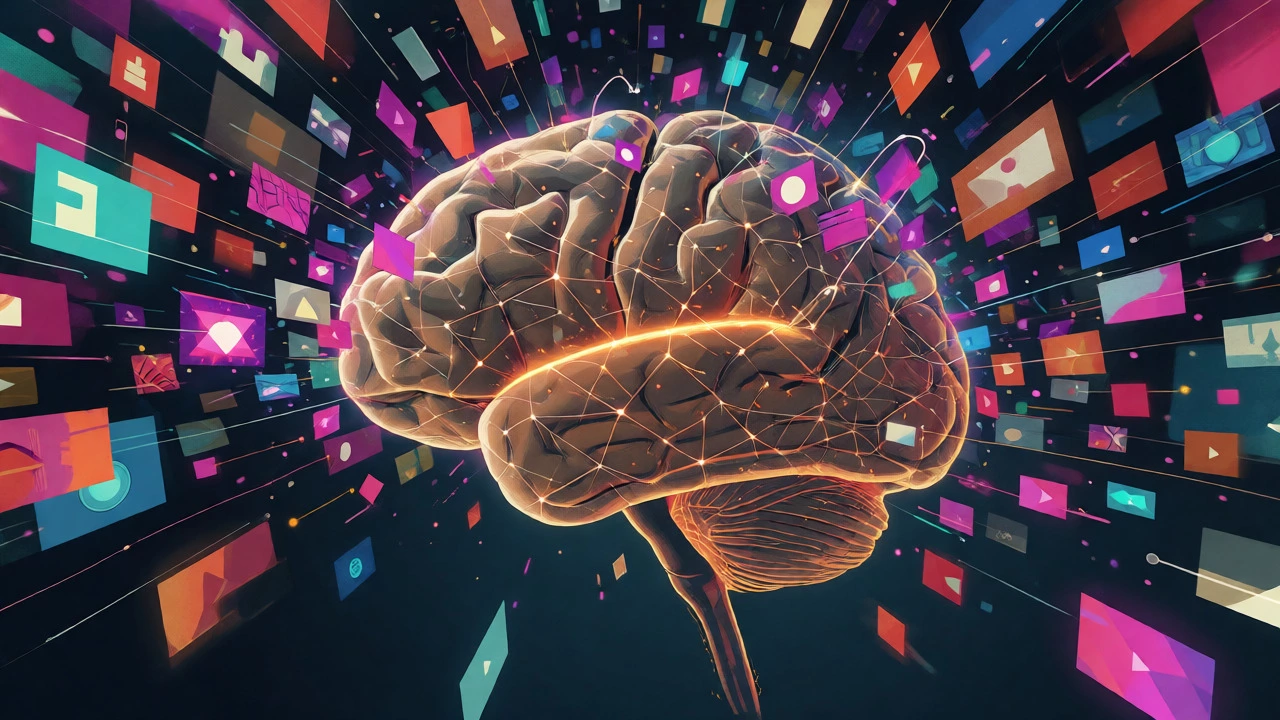
Let’s be honest: our brains are being rewired. We live in an era defined by the Attention Economy, where human attention is a scarce commodity fought over by tech giants. Platforms like TikTok, Instagram Reels, and YouTube Shorts have trained us to expect dopamine hits every 15 seconds. Reading a novel requires sustained attention for hours. These two modes of consumption are at war.
When you scroll through a feed, you are in "shallow processing" mode. You scan, react, move on. When you read a complex sentence, you need "deep processing." You hold information in working memory, connect it to prior knowledge, and visualize outcomes. Every notification breaks this chain. A study published in the Journal of Experimental Psychology suggests that even the mere presence of a smartphone nearby reduces available cognitive capacity. So, when you try to read with your phone face-up on the table, you’re not just distracted by the ringtone; you’re distracted by the potential of the ringtone.
It’s Not Just Screen Time-It’s Content Format
We often blame "screen time" broadly, but the specific format matters more than the device. E-readers like Kindle actually boost reading completion rates compared to phones because they lack notifications. However, most people don’t use e-readers; they use iPads or phones, which are gateways to infinite scrolling.
The real culprit is the shift toward micro-content. We consume news via headlines, stories via tweets, and entertainment via clips. This creates a mismatch between our consumption habits and the structure of traditional books. Books are linear. They require commitment upfront before the payoff arrives. In contrast, algorithmic feeds offer immediate gratification. Why wait 50 pages for a character development arc when you can get a punchline in 15 seconds?
This isn’t about intelligence. It’s about conditioning. If you spend eight hours a day consuming fragmented media, your brain adapts to that rhythm. Sitting down with a dense non-fiction book feels physically uncomfortable because your neural pathways are optimized for rapid switching, not sustained depth.
The Myth of "I Don’t Have Time"
Ask anyone why they don’t read, and they’ll say, "I’m too busy." But look at their screen time reports. Most adults spend 3-4 hours daily on social media and video streaming. We have the time. What we lack is the mental energy.
Modern work culture contributes heavily here. Knowledge workers end the day with decision fatigue. After staring at spreadsheets or emails all day, the idea of decoding another block of text feels exhausting. Passive consumption-watching Netflix or scrolling Reddit-requires zero active cognitive effort. Reading does. It demands imagination, concentration, and emotional engagement. When you’re drained, you choose the path of least resistance.
Furthermore, the nature of leisure has changed. Previously, evenings were unstructured downtime. Now, they are filled with curated activities, podcasts, and interactive games. The silence required for reading has been replaced by constant audio input. Even during commutes, many people listen to high-energy podcasts rather than sitting quietly with a paperback, which allows the mind to wander and absorb narrative.
Is Audiobook Consumption Hiding the Decline?
Some argue that reading isn’t declining; it’s evolving. Audiobook sales have surged, growing double-digit percentages annually since 2020. Proponents claim listening counts as reading. Does it?
Neuroscience says yes and no. Brain scans show that listening to a story activates similar semantic processing areas as reading. You understand the plot, the characters, and the themes. However, reading involves visual decoding and often leads to better retention of complex details, especially in non-fiction. Listening is easier to multitask with-you can listen while driving or cleaning. This convenience makes audiobooks attractive for busy people, but it also changes the experience.
If you listen to a thriller while folding laundry, you might miss subtle clues. If you read it, you control the pace. You can re-read a paragraph if you didn’t catch the nuance. With audio, you either rewind or lose the thread. So, while total "literary consumption" might be stable, "active reading"-the kind that builds vocabulary and critical thinking-is likely dropping. Audiobooks are a valid form of storytelling, but they shouldn’t be conflated with the cognitive act of reading.

Social Signaling and the Death of Shared Culture
Another factor is cultural. Decades ago, reading was a common social topic. Everyone watched the same TV shows and read the same bestsellers. Today, algorithms create echo chambers. You see ads for books based on what you already liked. Friend groups fragment into niche interests. One friend loves sci-fi, another loves memoirs, another never reads.
Without a shared literary culture, there’s less social pressure or incentive to pick up a new book. Book clubs used to be mainstream social events. Now, they’re niche hobbies. When reading becomes an isolated activity rather than a communal one, its perceived value drops. Why struggle through a difficult classic if no one around you is talking about it? Entertainment options that offer instant social connection-like multiplayer games or viral memes-win out because they facilitate conversation immediately.
How to Fight Back Against the Decline
If you want to reclaim your reading habit, you can’t rely on willpower alone. You need to change your environment and expectations.
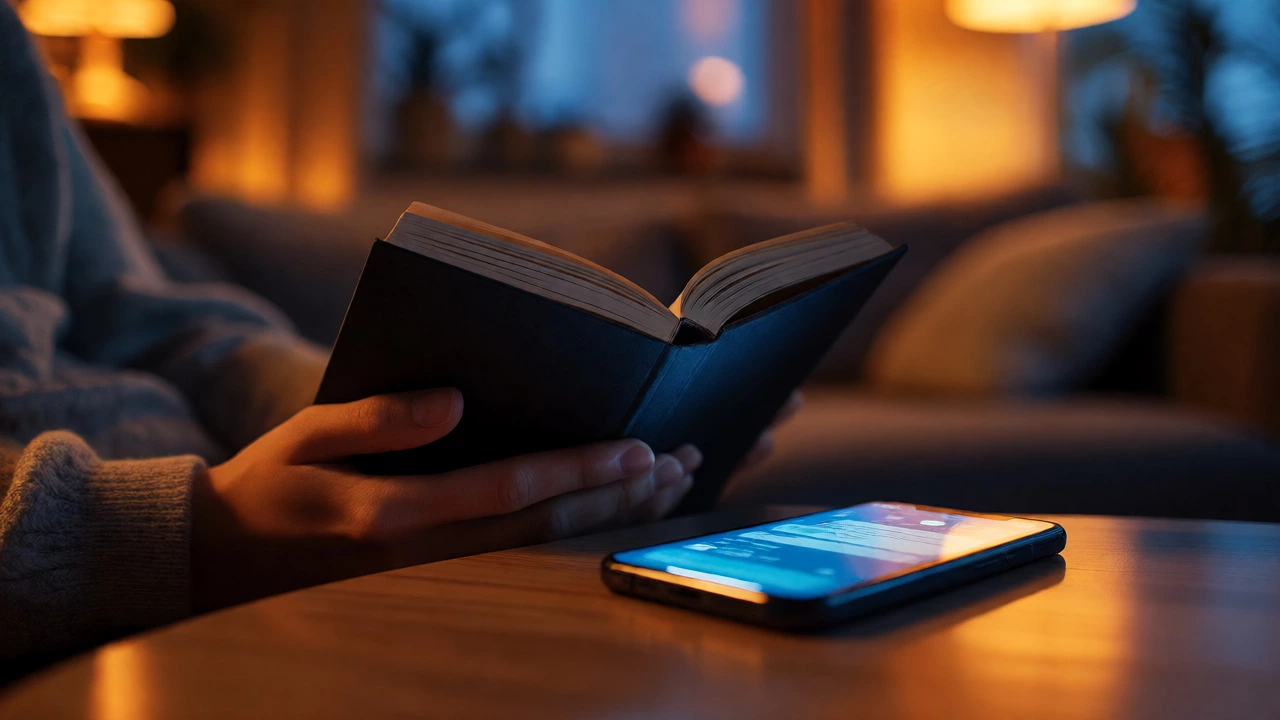
- Remove Friction: Keep a physical book next to your bed. Leave your phone in another room. Make reading the easiest option for the first 10 minutes after waking up or before sleep.
- Start Small: Don’t commit to a 500-page epic. Choose a 200-page novel or a collection of short stories. Finish something quickly to rebuild confidence.
- Embrace Formats: Graphic novels, magazines, and essays count. If prose feels heavy, try visual storytelling. The goal is to engage with text, not to suffer through it.
- Pair with Routine: Attach reading to an existing habit. Read for 15 minutes with your morning coffee. Consistency beats intensity.
- Use Technology Wisely: Use apps like Freedom or Forest to block social media during reading sessions. Turn your phone to grayscale to make it less appealing.
The decline in reading isn’t inevitable. It’s a response to environmental pressures. By recognizing that our attention is under attack, we can design boundaries that protect our ability to think deeply. Pick up a book today-not because you should, but because your brain needs the rest from the noise.
Does watching movies count as reading?
No, watching movies is a different cognitive process. While both involve narrative comprehension, reading requires active visualization and decoding of symbols, which strengthens different neural pathways related to language and imagination. Movies provide visual cues directly, reducing the mental workload required for interpretation.
Are e-books causing the decline in reading?
E-books themselves are not the cause; devices are. Dedicated e-readers like Kindles often increase reading frequency because they are portable and distraction-free. However, reading on smartphones or tablets exposes users to notifications and other apps, which fragments attention and reduces completion rates.
Why do young people read less than previous generations?
Younger generations grew up with digital natives' habits, including shorter attention spans due to early exposure to fast-paced media. Additionally, the sheer volume of entertainment options competing for their time is vastly higher now than in the pre-internet era. Social validation also comes more from digital interaction than literary discussion.
Can audiobooks replace traditional reading?
Audiobooks are a great supplement but not a full replacement for learning purposes. Studies suggest that reading visually leads to better retention of complex information and improved spelling/vocabulary skills. Audio is excellent for narrative fiction and biography, but visual reading remains superior for technical or dense academic material.
How much time should I spend reading daily?
Even 15-20 minutes a day can yield significant benefits over time. Consistency is more important than duration. Starting with small, manageable chunks helps build the habit without overwhelming a busy schedule or tired mind.