Music Program Impact Calculator
School Parameters
Enter your school parameters to see the impact of cutting music programs.
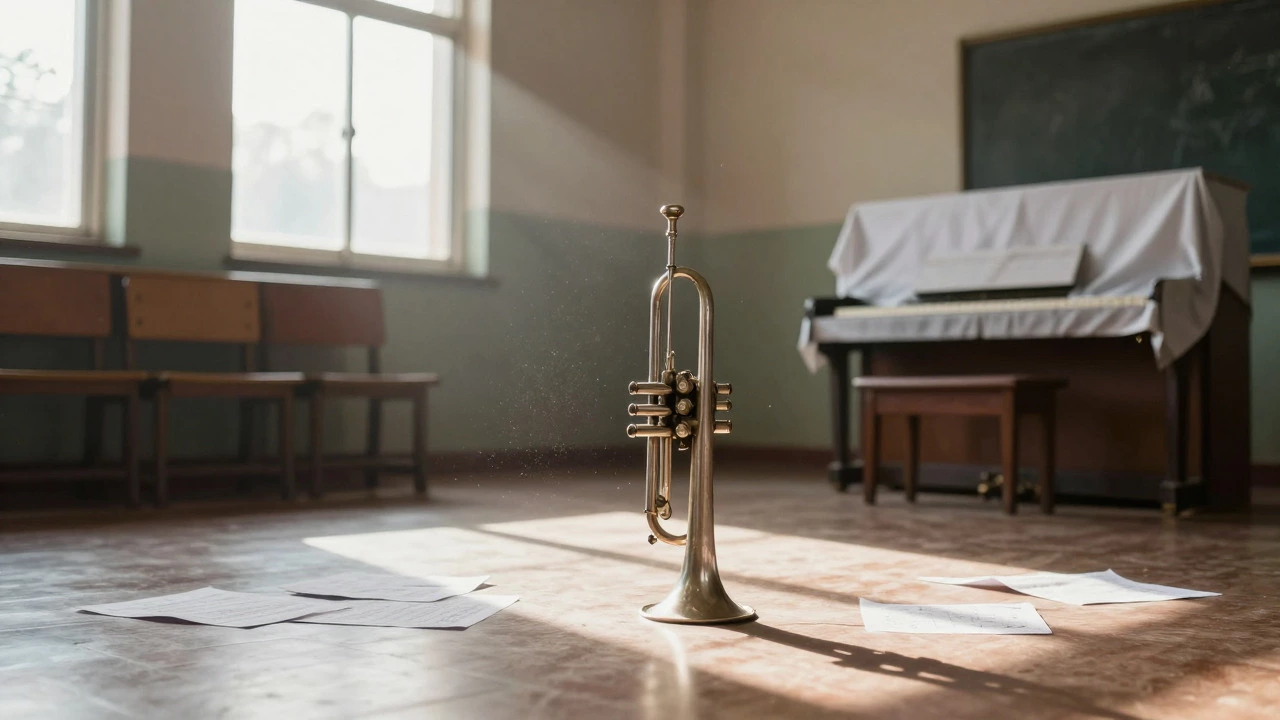
Walk into a middle school hallway today, and you might hear the shuffling of sneakers, the chatter of students between classes, or the bell ringing. But if you listen closely for the sound of a trumpet warming up or a choir practicing scales, you’ll likely hear nothing. It’s not that kids have stopped loving music. In fact, streaming numbers are higher than ever. The problem is that the institutions meant to nurture that love-our public schools-are quietly closing their music rooms.
This isn’t just a nostalgic complaint from baby boomers missing their band days. It’s a structural shift happening across the United States and parts of Europe. Since the early 2000s, thousands of schools have reduced or eliminated music programs entirely. Why? Because when budgets get tight, the arts are usually the first line item on the chopping block. But the reasons go deeper than just saving money. They involve how we measure success, who gets access to resources, and what society values in an educated person.
The Budget Squeeze: When "Nice-to-Have" Becomes "Can't-Afford-To-Have"
Let’s start with the most obvious reason: money. Public schools in many countries rely heavily on local property taxes and state funding. When economic downturns hit, or when states decide to redirect funds toward other priorities like infrastructure or healthcare, schools feel the pinch immediately.
Music programs are expensive. You need instruments, which break and need repairs. You need sheet music, which costs money. You need qualified teachers, who demand fair wages. And you need space-a dedicated room with proper acoustics. Compare that to a math class, which primarily needs textbooks and a whiteboard. From a purely logistical standpoint, cutting music saves a district thousands of dollars per year.
| Expense Category | Math/Science Class | Music Program |
|---|---|---|
| Instructional Materials | Textbooks, software licenses | Sheet music, instrument maintenance |
| Equipment Costs | Calculators, lab kits (occasional) | Instruments (high initial cost), audio systems |
| Space Requirements | Standard classroom | Dedicated practice room, auditorium access |
| Staffing Needs | One teacher | Teacher + potential paraprofessionals for large ensembles |
In 2025, several major districts reported budget shortfalls exceeding 10%. Administrators faced impossible choices: keep the music teacher or hire more security staff? Keep the orchestra or fix the leaking roof? For many, the answer was clear. The arts were deemed "enrichment," not "essential." This labeling is dangerous because it suggests that creativity is optional, while literacy and numeracy are mandatory. But as we’ll see, this distinction ignores how these skills actually work together.
The Testing Trap: Standardized Exams Steal Time
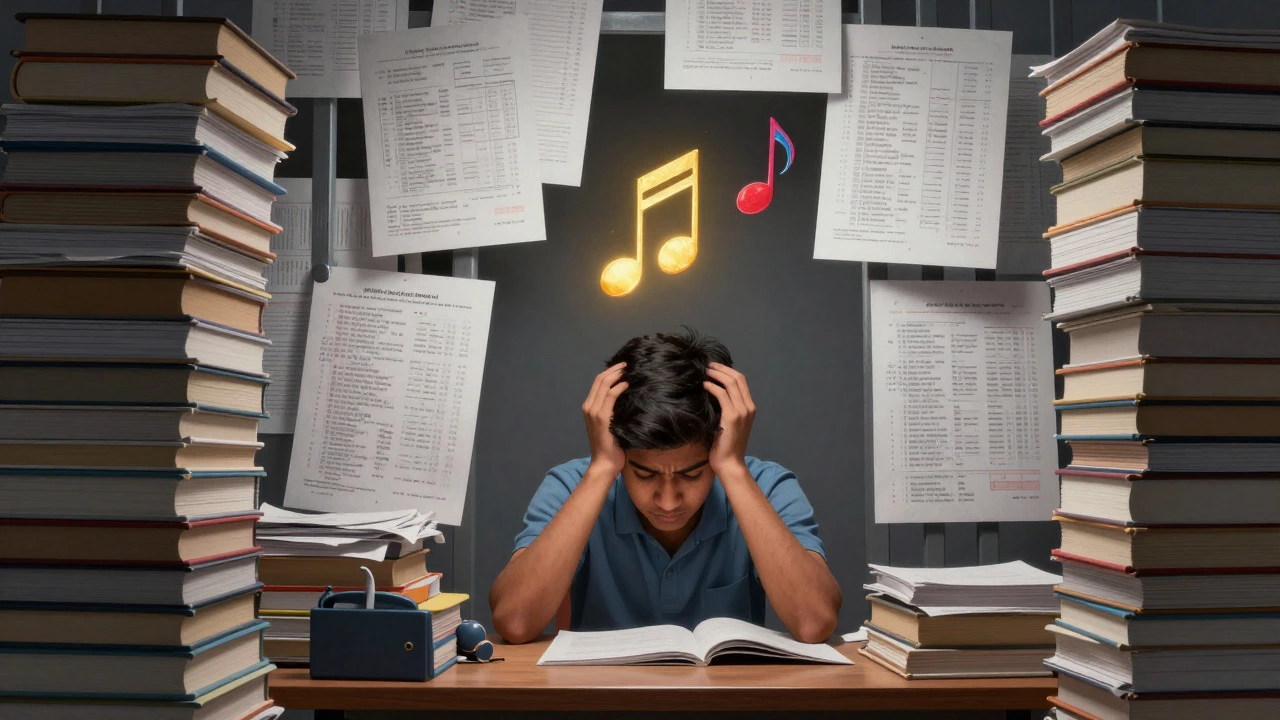
If money is the fuel, then standardized testing is the engine driving the decline of music. Over the last two decades, educational policy has become obsessed with measurable outcomes. Tests in reading and math determine school ratings, teacher evaluations, and even funding levels. If a student spends an hour learning cello, that’s an hour they aren’t spending on test prep.
Consider the pressure on a principal in a low-performing school. Their job depends on raising test scores. Every minute counts. A music class might inspire a child, but it doesn’t directly raise their SAT score. So, administrators shuffle schedules. Music becomes a once-a-week elective instead of a daily core subject. Or worse, it’s pushed to after-school hours, which means only kids whose parents can drive them or afford extra lessons can participate.
This creates a vicious cycle. Schools cut music to focus on tests. Test scores improve slightly. The community praises the school for "academic excellence." Meanwhile, the creative development of students stagnates. We’ve essentially traded long-term cognitive benefits for short-term statistical gains. It’s like eating candy for dinner because it’s easier to digest than a balanced meal. Sure, you’re full now, but you’re not getting the nutrients you need to grow strong.
The Equity Gap: Who Loses Out Most?
Here’s where it gets really unfair. Wealthy suburban schools often survive these cuts. How? Private donations. Boosters clubs. Parents who can buy violins for their kids and fundraise for new pianos. In these schools, music remains robust because the community subsidizes it.
In underfunded urban or rural districts, there’s no safety net. When the state cuts funding, the program dies. This means that children from lower-income backgrounds are disproportionately affected. They lose out on one of the few free extracurricular activities available to them. Research from the National Endowment for the Arts shows that students in high-poverty schools are significantly less likely to have access to comprehensive arts education.
This isn’t just about missing out on fun. Music education provides structure, discipline, and a sense of belonging. For at-risk youth, the band room can be a sanctuary. When you remove that sanctuary, you don’t just silence the music; you remove a critical support system. The result is a widening gap in opportunity. Rich kids learn teamwork through orchestras; poor kids miss out entirely. That’s not equality. That’s segregation by zip code.
Cognitive Benefits: What We Lose When We Cut Music
You might think, "So what? Kids can learn music online." But school-based music education offers something YouTube tutorials can’t: social interaction and guided progression. More importantly, studies suggest that music training enhances brain function in ways that help with other subjects.
Learning to read music strengthens neural pathways associated with language processing. Playing an instrument improves memory and spatial-temporal reasoning. These skills transfer to math and science. A study published in *Nature* found that children who received musical training showed improved performance in reading and arithmetic compared to those who didn’t. By cutting music, schools might actually be hurting academic performance in the very subjects they’re trying to protect.
Think of the brain like a muscle. Math works one set of muscles. Music works another. If you only train one side, your body becomes unbalanced. Education should aim for holistic development, not just test-score optimization. Yet, our current system treats creativity as a luxury rather than a fundamental human capacity.
The Rise of Digital Distraction
Another factor is the changing landscape of entertainment. In the past, if you wanted to make music, you joined the school band. Today, kids can produce beats on their phones using free apps. TikTok stars create viral songs without ever touching a piano. This shift changes the perception of music from a disciplined craft to a casual hobby.
Schools struggle to compete with this instant gratification. Why spend years mastering the flute when you can make a beat in five minutes? Educators argue that formal training teaches patience and precision, but students often don’t see the value. Without strong advocacy from parents and teachers, music programs fade into irrelevance. They become relics of a past era, struggling to justify their existence in a digital world.
How Communities Can Fight Back
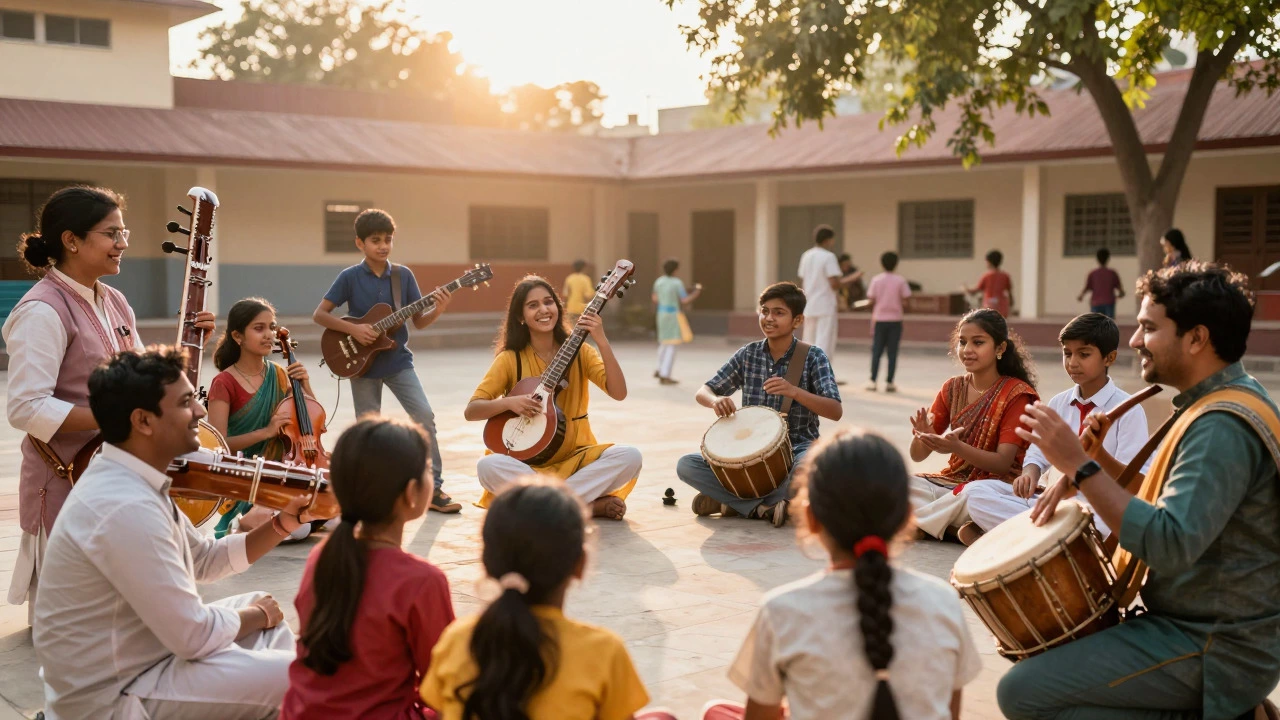
Is all hope lost? Not necessarily. Some communities are finding innovative ways to keep music alive. Partnerships with local conservatories allow professional musicians to teach in schools. Non-profit organizations provide free instruments to underserved students. Online platforms connect isolated students with mentors worldwide.
But real change requires systemic action. Parents need to advocate for music as a core subject, not an elective. Policymakers must recognize that arts education contributes to economic growth by fostering creativity and innovation. Teachers need support to integrate music into other subjects, showing its relevance beyond the concert hall.
We also need to rethink how we measure school success. If we valued emotional intelligence and collaborative skills as much as test scores, music would never be on the chopping block. Until then, the silence in our schools will continue to grow louder.
The Future of Music in Education
Looking ahead, the trend may reverse if we prioritize holistic education. Emerging technologies like virtual reality could bring immersive music experiences to classrooms lacking resources. AI tools might personalize instruction, making it easier for teachers to manage diverse skill levels. But technology alone won’t save music education. It requires human commitment.
Schools must decide what kind of citizens they want to raise. Do we want workers who can pass tests? Or do we want thinkers who can create, collaborate, and empathize? Music teaches all three. Cutting it saves money today but costs us tomorrow. The question is whether we’re willing to pay the price.
Why are schools cutting music programs specifically?
Schools cut music programs primarily due to budget constraints and the pressure to improve standardized test scores. Music is often viewed as an "enrichment" activity rather than a core academic subject, making it an easy target for cost-cutting measures. Additionally, the high cost of instruments and specialized staffing makes music programs more expensive to maintain than traditional classes.
Does cutting music affect academic performance?
Yes, research indicates that music education can enhance cognitive skills such as memory, attention, and spatial-temporal reasoning, which benefit performance in math and reading. Removing music may therefore indirectly hinder academic achievement in other subjects by reducing opportunities for holistic brain development.
Are wealthy schools also losing music programs?
Wealthy schools are less likely to lose music programs entirely because they can rely on private donations, booster clubs, and parent fundraising to supplement public funding. However, even affluent districts may reduce hours or limit access if budget pressures intensify, though the impact is generally less severe than in underfunded areas.
How does standardized testing contribute to the decline of music?
Standardized testing prioritizes measurable outcomes in core subjects like math and reading. Time spent on music is time taken away from test preparation. Schools facing pressure to raise scores often reshuffle schedules to maximize instructional time in tested subjects, pushing music to electives or after-school slots.
What can parents do to support music education?
Parents can advocate for music as a core subject at school board meetings, join or form booster clubs to raise funds, and volunteer to help with logistics or fundraising. Supporting local non-profits that provide free instruments and mentorship can also help bridge gaps in underfunded districts.