
Adventure Story Structure Planner
Planning Steps
Step 1: Define Premise & Stakes
0/5 CompletedBefore writing scenes, define what your story is about and what happens if the hero fails.
Your protagonist needs both competence to survive and flaws to make mistakes.
The antagonist opposes your protagonist's goal and escalates pressure throughout the story.
Map your story using the seven-point structure to ensure cause-and-effect momentum.
Every action scene must serve the plot or reveal character—not exist for spectacle alone.
Make settings active participants that challenge your protagonist using all five senses.
Revision transforms your draft. Focus on pacing variation, clarity, and eliminating info-dumps.
Staring at a blank page is the first real test of any writer. You have the spark-an idea for a chase through ancient ruins or a survival trek across frozen tundra-but how do you turn that flash of inspiration into a gripping narrative? Many aspiring writers get stuck in the middle because they lack a roadmap. They know where they want to start and roughly where they want to end, but the journey between those points feels like navigating a maze without a map.
Writing an adventure story is a genre of fiction characterized by exciting events, physical danger, and a protagonist who overcomes obstacles to achieve a goal. Unlike literary fiction, which often focuses on internal emotional shifts, adventure demands external action. It requires pacing, stakes, and a clear sense of movement. To help you build this momentum, we will break down the process into seven concrete steps. These steps move from the initial concept to the final polish, ensuring your story has both heart and adrenaline.
1. Define the Core Premise and Stakes
Before you write a single scene, you need to know what your story is actually about. In adventure writing, the premise is not just a setting; it is a promise of excitement. Ask yourself: What is the big event? Is it a treasure hunt, a race against time, or a fight for survival? The key here is defining the stakes. If the protagonist fails, what happens? Does the world end? Does their family die? Do they lose everything they own?
For example, instead of a vague idea like "a guy goes on a trip," try "an archaeologist must decode a cursed artifact before a warlord destroys it." The latter has immediate tension. High stakes drive the plot forward. Without them, the reader has no reason to care if the hero succeeds or fails. Make sure the consequence of failure is severe enough to keep the protagonist moving, even when things look hopeless.
2. Create a Flawed but Capable Protagonist
An adventure story lives or dies by its main character. Your protagonist needs two things: competence and a flaw. They must be capable enough to survive the dangers they face, but flawed enough to make mistakes. If they are perfect, the story becomes boring. If they are incompetent, the reader loses respect for them.
Consider Indiana Jones. He is a brilliant archaeologist (competence), but he is afraid of snakes and often acts impulsively (flaws). These flaws create natural obstacles. Maybe his impulsiveness gets him trapped in a cave, forcing him to use his wits to escape. Think about your character’s skills. Are they a fighter, a hacker, a pilot, or a diplomat? Then, identify their weakness. Is it arrogance, fear, or a past trauma? This combination creates a dynamic character who grows throughout the journey.
3. Map the Antagonistic Force
In adventure stories, the antagonist is rarely just a person. It is often a force-nature, time, a corrupt organization, or a supernatural entity. This force opposes your protagonist’s goal. You need to define this opposition clearly early on. Who or what is standing in the way?
If your villain is a person, give them a motivation that makes sense to them. Even evil characters believe they are right. If the antagonist is nature, like a hurricane or a mountain range, personify it slightly. Describe it as something alive and hostile. This makes the conflict feel more intense. The antagonist should escalate their pressure as the story progresses, forcing the protagonist to adapt and grow stronger.
4. Outline the Seven-Point Structure
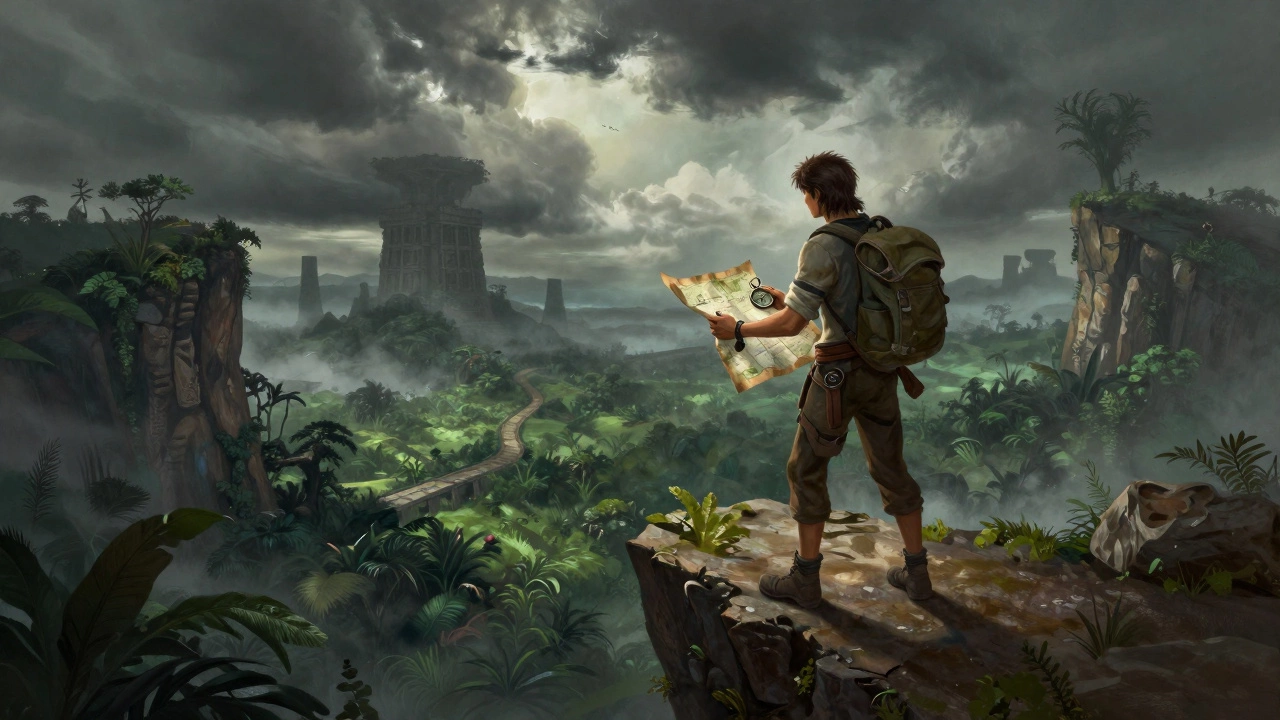
While there are many ways to structure a story, the seven-point structure works exceptionally well for adventure because it emphasizes cause and effect. Here is how it breaks down:
- The Hook: Introduce the normal world and then disrupt it with an inciting incident.
- The Plot Turn 1: The protagonist decides to pursue the goal, raising the stakes.
- The Pinch Point 1: The antagonist exerts pressure, showing the threat is real.
- The Midpoint: A major event shifts the context. The protagonist moves from reactive to proactive.
- The Pinch Point 2: The antagonist strikes again, often causing a personal loss or setback.
- The Plot Turn 2: The protagonist realizes what they must do to win, often sacrificing something dear.
- The Resolution: The final confrontation and the aftermath.
This structure ensures your story doesn’t sag in the middle. Each point pushes the narrative forward. Use this outline as a skeleton. You can fill in the details later, but having these beats mapped out prevents writer’s block.
5. Design Action Sequences with Purpose
Action scenes are the bread and butter of adventure, but they are easy to mess up. A common mistake is writing action for action’s sake. Every chase, fight, or disaster must serve the plot or reveal character. If a car chase doesn’t change anything about the story, cut it.
When writing action, focus on clarity. Use short sentences. Keep the geography clear so the reader knows where everyone is. Avoid overly complex metaphors during high-speed moments. Instead, focus on sensory details: the smell of gunpowder, the sound of breaking glass, the feeling of wind rushing past. Remember, action should raise the stakes or provide information. Maybe during a fight, the hero finds a clue. Or perhaps they realize their ally is betraying them. Always tie the spectacle back to the core narrative.
6. Build Vivid and Hostile Settings
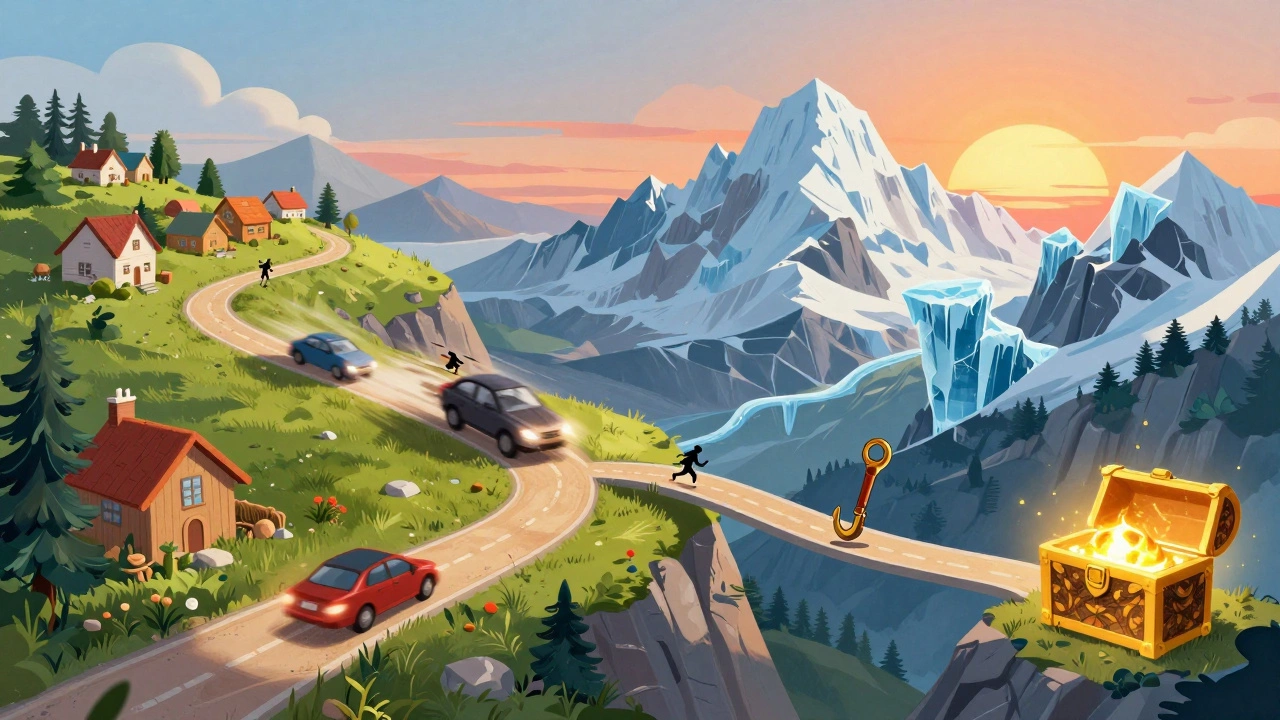
In adventure, the setting is not just a backdrop; it is a character. Whether it is the dense jungles of Amazonia, the neon-lit streets of a cyberpunk city, or the icy peaks of the Himalayas, the environment should challenge your protagonist. Describe the setting using all five senses. How does the air taste? What sounds echo around the corners?
Make the setting active. A storm isn’t just raining; it is blinding the driver and washing away the trail. A dungeon isn’t just dark; it is filled with traps that require puzzle-solving skills. By integrating the environment into the plot, you create immersion. Readers should feel like they are right there, sweating and shivering alongside your characters.
7. Revise for Pacing and Tension
Your first draft is just getting the story down. The magic happens in revision. Adventure stories rely heavily on pacing. You need to vary the rhythm. Fast-paced action scenes should be followed by slower moments of reflection or planning. This contrast keeps the reader engaged.
Read your draft aloud. If you find yourself stumbling over sentences, simplify them. Check for "info-dumping"-long passages of exposition that stop the action. Move background information into dialogue or action sequences. Ensure that every chapter ends with a hook that makes the reader want to turn the page. Tighten the prose, remove unnecessary adverbs, and sharpen the dialogue. The goal is to make the story move as fast as possible while maintaining clarity.
| Subgenre | Primary Focus | Typical Setting | Key Element |
|---|---|---|---|
| Survival | Man vs. Nature | Wilderness, Desert, Ocean | Resource Management |
| Heist | Team Dynamics & Planning | Urban, Fortified Locations | Cleverness & Timing |
| Quest | Journey & Discovery | Fantasy Worlds, Ancient Lands | Map & Lore |
| Thriller | Mystery & Danger | Modern Cities, Governments | Tension & Secrets |
By following these seven steps, you transform a chaotic idea into a structured, thrilling narrative. Remember, writing is rewriting. Don’t be afraid to experiment with different structures or character arcs. The most important thing is to keep moving forward, one step at a time.
How long should an adventure story be?
Most published adventure novels range from 70,000 to 90,000 words. Shorter stories, such as novellas, can be effective if the plot is tight and focused. However, longer word counts allow for more detailed world-building and character development. Aim for a length that serves the story, not a specific number.
Do I need to research real locations for my adventure story?
Yes, especially if you are writing realistic fiction. Accurate details about geography, culture, and history add authenticity and immersion. Even in fantasy settings, grounding your world in real-world logic helps readers suspend their disbelief. Use maps, travel guides, and historical records to enrich your descriptions.
What is the difference between adventure and thriller genres?
Adventure focuses on external challenges, exploration, and physical danger, often with a sense of wonder. Thrillers focus on suspense, psychological tension, and impending doom. While there is overlap, adventure is usually more optimistic and action-oriented, whereas thrillers are darker and more anxiety-inducing.
How do I avoid clichés in adventure writing?
Subvert expectations. Instead of the chosen one, write about the sidekick who saves the day. Instead of a magical sword, use technology or wit. Give your villains relatable motivations. Clichés become fresh when you add unique twists or combine them with unexpected elements. Read widely to understand common tropes, then decide how to innovate.
Can I mix romance with adventure?
Absolutely. Romance adds emotional depth and raises the stakes. A relationship threatened by external forces can make the adventure more compelling. Just ensure the romantic subplot supports the main plot rather than distracting from it. Balance action scenes with moments of connection between characters.