Appreciation vs. Appropriation Assessment
Not sure where you stand? Answer these 5 questions to analyze your intent, actions, and impact regarding a specific cultural element.
Have you ever worn a traditional garment from another culture and felt a pang of guilt? Or perhaps you tried a dish that felt sacred to someone else and wondered if you were crossing a line? These moments are common in our increasingly connected world. We live in Sydney, a city built on the backs of Indigenous Australians, yet we also celebrate festivals from India, China, Vietnam, and beyond. The tension between appreciation and appropriation is real, and it’s messy. But understanding it doesn’t have to be.
Cultural appropriation isn’t just about wearing something “wrong.” It’s about power, history, and respect. When one group takes elements from another marginalized group without permission or context, it can cause harm. But when done with care, learning, and reciprocity, sharing culture can build bridges. So, what are the four main types of cultural appropriation? Let’s break them down so you can navigate these conversations with clarity and empathy.
If you’re looking for more nuanced discussions on global cultures and connections, sometimes the best insights come from unexpected places. For instance, while exploring diverse community networks, I stumbled upon this resource, which offers a glimpse into how different societies organize social interactions-though obviously, that’s a very different context than cultural heritage. Back to the topic at hand: let’s focus on how we engage with the cultures around us.
1. Symbolic Appropriation: Stealing Sacred Signs
This is perhaps the most visible form of cultural appropriation. It happens when sacred symbols, religious items, or spiritual practices are taken out of their original context and used as fashion statements, party costumes, or decorative trends. Think of Native American war bonnets worn at music festivals, Hindu deities’ imagery printed on beach towels, or Celtic crosses turned into punk jewelry without understanding their meaning.
Why does this hurt? Because these symbols aren’t just pretty patterns. They carry deep spiritual significance, ancestral stories, and community identity. When they’re stripped of that meaning and sold as cheap accessories, it feels like erasure. It tells the originating community: “Your beliefs are cool, but your people don’t matter.”
To avoid symbolic appropriation:
- Ask yourself: Is this item sacred? If yes, why am I using it?
- Learn the history behind the symbol before adopting it.
- Support creators from that culture who make authentic versions.
For example, instead of buying a mass-produced dreamcatcher from a fast-fashion store, consider purchasing one directly from an Indigenous artisan who explains its purpose and craftsmanship. That shift turns consumption into connection.
2. Economic Appropriation: Profiting Without Permission
This type occurs when dominant groups profit financially from cultural elements created by marginalized communities-without giving credit, compensation, or opportunity to the originators. You’ve seen it: big brands launching “ethnic” clothing lines designed by non-members, or restaurants serving “authentic” dishes while ignoring immigrant chefs who actually know the recipes.
A classic case is the beauty industry’s treatment of natural hair products. For decades, Black women faced discrimination for wearing their natural curls and coils. Then, major corporations started marketing “texturizing” creams to white consumers, charging premium prices for formulas inspired by Afro-textured hair care traditions-all while sidelining Black-owned businesses that pioneered those same techniques.
How do you spot economic appropriation?
- Who benefits financially?
- Are original creators credited or compensated?
- Is there ongoing exploitation rather than one-time inspiration?
The fix? Buy from minority-owned businesses. Hire consultants from the culture you’re drawing from. Share profits fairly. Profit shouldn’t come at the expense of erasing the very people who created the value.
3. Linguistic Appropriation: Borrowing Words Without Context
Language shapes reality. When words from oppressed languages are borrowed casually-especially slurs, spiritual terms, or intimate expressions-it can dilute their power and offend native speakers. Consider how English has absorbed words like “karma,” “zen,” or “namaste,” often stripping them of philosophical depth and turning them into lifestyle buzzwords.
Worse still is the use of racial slurs or derogatory terms as jokes or slang among people outside that community. Even if no malice is intended, repeating harmful language reinforces stereotypes and dismisses the pain associated with those words.
Here’s how to handle linguistic borrowing respectfully:
- Understand the word’s origin and emotional weight.
- Avoid using terms tied to trauma or oppression unless you belong to that group.
- Pronounce names and phrases correctly-it shows basic respect.
When in doubt, ask politely: “Can you help me understand the proper way to say this?” Most people appreciate genuine curiosity over careless mimicry.

4. Stereotypical Appropriation: Reducing Cultures to Caricatures
This final type reduces entire cultures to exaggerated tropes, clichés, or exotic fantasies. It’s not just inaccurate-it’s dehumanizing. Examples include portraying all Asians as math geniuses, all Latinos as passionate dancers, or all Africans as living in poverty-stricken villages. These stereotypes ignore diversity within cultures and reinforce harmful biases.
In media, this shows up constantly: Hollywood casting white actors in roles meant for minorities (think *Ghost in the Shell* or *Miss Saigon*), or advertising campaigns that depict Middle Eastern women solely through veils and harem aesthetics. Such portrayals flatten complex identities into digestible, marketable images.
To combat stereotypical appropriation:
- Seek out authentic voices from within the culture.
- Challenge reductive narratives when you hear them.
- Diversify your media consumption-read books, watch films, listen to podcasts made by insiders.
Representation matters because it affects how society sees-and treats-people. When we reduce cultures to caricatures, we justify inequality. When we celebrate complexity, we foster inclusion.
How to Tell Appreciation From Appropriation
Not all cross-cultural interaction is bad. In fact, cultural exchange has driven human progress for millennia. The key difference lies in intent, impact, and equity.
| Aspect | Appreciation | Appropriation |
|---|---|---|
| Intent | Respectful learning | Self-serving gain |
| Permission | Asks consent | Takes without asking |
| Credit | Gives acknowledgment | Erases origins |
| Impact | Builds bridges | Causes harm |
Ask yourself: Am I honoring this culture, or exploiting it? Am I listening to its members, or talking over them? Small shifts in mindset lead to big changes in behavior.

Practical Steps Toward Respectful Engagement
You don’t need to stop engaging with other cultures-you just need to do it better. Here’s how:
- Educate yourself first. Read histories, watch documentaries, attend local events. Don’t rely on Instagram posts or TikTok trends.
- Listen actively. When someone says something hurts them, believe them. Defensiveness shuts down dialogue.
- Compensate fairly. If you’re inspired by a craft, recipe, or art style, pay the creator-not just the middleman.
- Amplify marginalized voices. Share content from people within the culture, not just outsiders interpreting it.
- Be open to correction. Mistakes happen. Apologize sincerely, learn, and move forward.
Remember: Culture isn’t static. It evolves through interaction. But evolution requires mutual respect-not extraction.
Common Misconceptions About Cultural Appropriation
Let’s clear up some myths:
- “It’s just admiration!” Admiration becomes problematic when it ignores power imbalances. Loving something doesn’t give you the right to take it.
- “I’m paying homage!” Homage implies reverence. Are you treating the culture with dignity-or treating it as costume?
- “Everyone mixes cultures now!” Yes, globalization blends cultures-but that doesn’t erase historical injustice. Mixing should be consensual, not coercive.
- “Only privileged people commit appropriation.” While systemic privilege plays a role, anyone can participate in harmful behaviors regardless of background.
Understanding these nuances helps us respond thoughtfully instead of reactively.
What’s the difference between cultural appreciation and appropriation?
Appreciation involves respectful engagement, seeking permission, crediting sources, and benefiting the originating community. Appropriation takes elements without consent, profits unfairly, erases context, and causes harm. Intent matters less than impact-if people feel disrespected, examine your actions closely.
Can I wear traditional clothing from another culture?
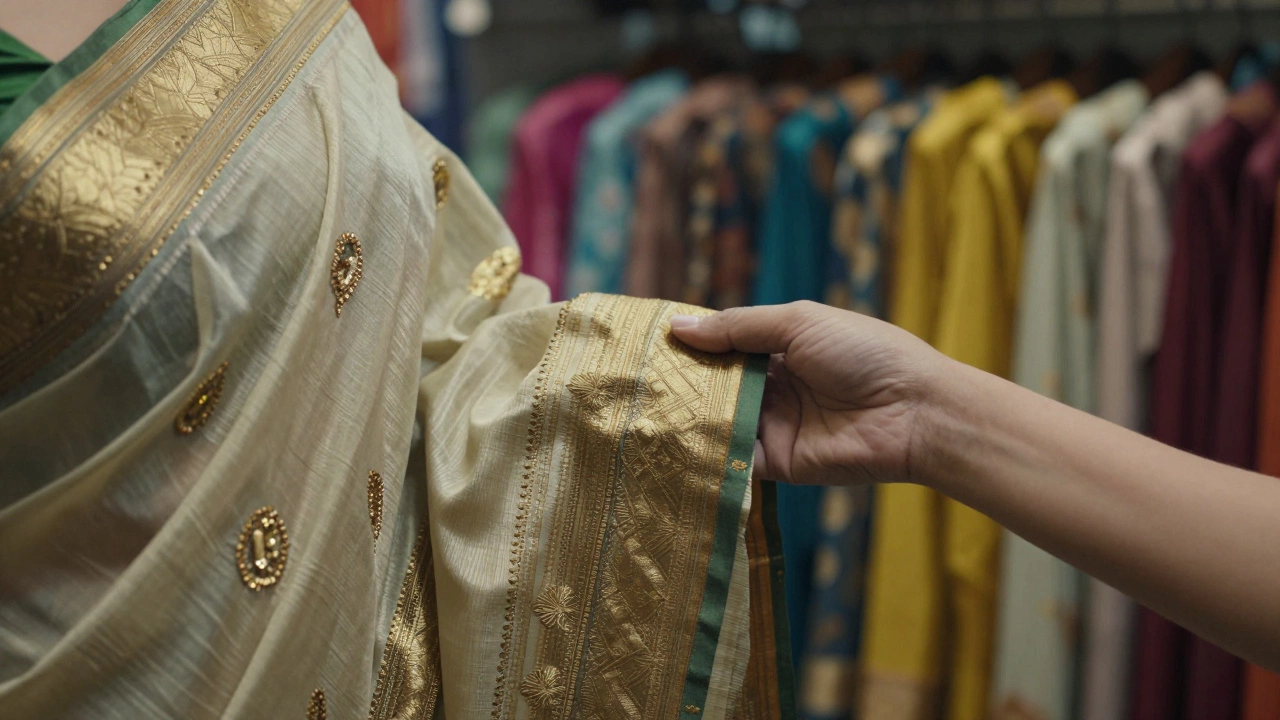
Yes, if done respectfully. Learn the significance of the garment, buy from authentic makers, and wear it in appropriate settings. Avoid sacred or ceremonial pieces unless invited by members of that culture. Always prioritize humility over aesthetics.
Is trying food from another culture appropriation?
Generally no-food is meant to be shared! However, be mindful of how dishes are presented. Don’t rename iconic meals (“fusion” isn’t always fair), support ethnic-owned restaurants, and acknowledge culinary roots. Enjoyment ≠ exploitation.
How do I apologize if I accidentally appropriated something?
Acknowledge the mistake publicly, explain what you learned, commit to change, and offer restitution if possible (e.g., donating to relevant causes). Don’t expect forgiveness instantly-focus on growth. People notice effort more than perfection.
Why does cultural appropriation matter today?
Because marginalized groups still face discrimination despite contributing richly to global culture. Appropriation perpetuates inequality by allowing dominant groups to benefit from others’ heritage while denying them equal opportunities. Addressing it promotes justice and authenticity.
Are there examples of positive cultural exchange?
Absolutely! Collaborative art projects, joint culinary ventures, bilingual education programs, and international festivals showcase healthy exchange. Key traits: mutual participation, equal representation, transparent credit, and shared benefits. Look for partnerships, not parasitism.
Should companies avoid culturally themed marketing?
They should approach it cautiously. Consult experts from the represented culture, ensure accurate depiction, compensate contributors, and avoid stereotyping. Brands that get it wrong risk boycotts; those that succeed build trust. Authenticity sells long-term.
How can educators teach about cultural appropriation responsibly?
By framing discussions around empathy, history, and ethics-not shame. Use case studies, invite guest speakers from affected communities, encourage critical thinking, and emphasize constructive solutions. Education empowers students to become allies, not adversaries.
Does cultural appropriation affect mental health?
Yes. Repeated misrepresentation and theft of cultural identity contribute to feelings of invisibility, anger, and alienation among marginalized individuals. Conversely, seeing one’s culture honored boosts pride and belonging. Mental well-being thrives in environments of recognition and respect.
What role does social media play in cultural appropriation debates?
Social media amplifies both awareness and backlash. Viral calls-out raise visibility but can also oversimplify complex issues. Platforms enable direct communication between critics and accused parties, fostering accountability-but also echo chambers. Balance speed with nuance.