Fantasy Genre Identification Quiz
Test your understanding of fantasy fiction using the 5 core signs from the article. Answer each question honestly to get your results.
1. Does the book break the laws of our real world?
2. Is there a system behind the magic?
3. Is the setting culturally rooted rather than technologically engineered?
4. Do mythical creatures carry cultural significance?
5. Is the conflict about destiny rather than survival?
Not all books with dragons and magic are fantasy. And not every fantasy book has a sword-wielding hero. So how do you really know if a book belongs to the fantasy genre? It’s not just about castles or elves. It’s about the rules the world follows-or doesn’t follow. If you’ve ever picked up a book and wondered, "Is this really fantasy?" or "Is this just sci-fi with a different name?"-you’re not alone. The lines blur more than most people admit.
It breaks the laws of our real world
The core of fantasy isn’t magic wands or talking animals. It’s that the world operates under rules that don’t exist in our reality. In fantasy, gravity might be optional. Time might loop. Death might be reversible. Think about Fantasy is a genre that features impossible elements like magic, mythical creatures, or alternate worlds that defy the laws of physics and nature as we know them. In a sci-fi novel, a spaceship travels faster than light because of advanced technology. In fantasy, a wizard just says a word and the ship flies. That’s the difference. If the explanation is science-even if it’s fictional science-it’s not fantasy. If it’s magic, ritual, or divine intervention? That’s fantasy.
There’s a system behind the magic
Not all magic is the same. In fantasy, magic usually has rules. It’s not random. It costs something. It has limits. In Brandon Sanderson’s Mistborn, magic comes from ingesting metals and has specific effects based on the type. In Patrick Rothfuss’s The Name of the Wind, magic is tied to naming things-once you know the true name of something, you can control it. These aren’t just plot devices. They’re systems. If magic in a book feels like a deus ex machina-appearing out of nowhere to solve a problem-it’s probably not true fantasy. Real fantasy builds its magic like a language, with grammar, vocabulary, and consequences.
The setting isn’t just "another planet"
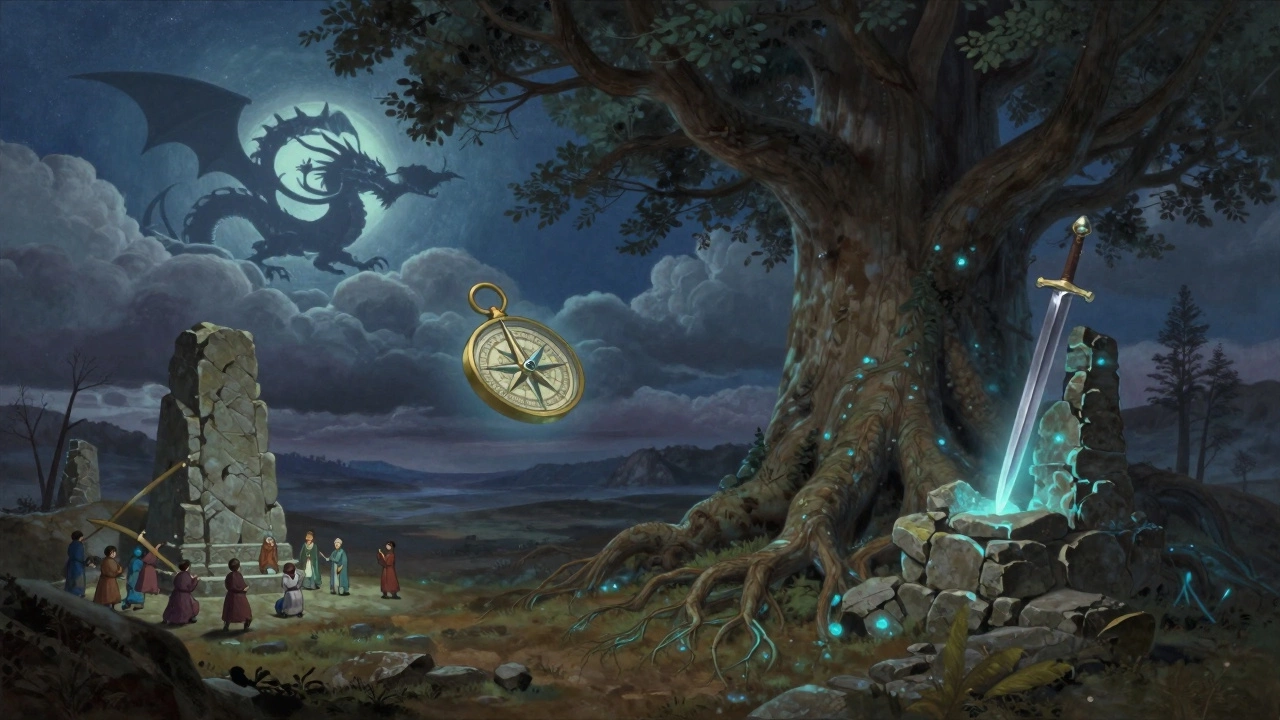
Some stories set on alien worlds feel like sci-fi. Others feel like fantasy-even if they’re on another planet. Why? Because fantasy doesn’t need Earth. But it does need a world that feels culturally and historically rooted, not technologically engineered. J.R.R. Tolkien didn’t invent Middle-earth with satellites or AI. He built it with languages, myths, wars over centuries, and ancient forests that remember everything. Compare that to Dune, where the sandworms are biological anomalies and the spice is a drug with scientific origins. That’s sci-fi, even if it looks like fantasy. Fantasy worlds grow from folklore, not engineering. They feel ancient, not advanced.
Mythical creatures aren’t just aliens
Dragons, griffins, trolls, and phoenixes show up in fantasy. But they’re not just exotic animals. They’re symbols. They carry cultural weight. In Neil Gaiman’s American Gods, the old gods aren’t just powerful beings-they’re reflections of forgotten beliefs. In Robin Hobb’s Farseer Trilogy, dragons are tied to bloodline magic and spiritual connection, not just brute strength. If a creature exists because it’s cool, or because the author needed a monster, it might be horror or adventure. But if it’s woven into the world’s history, religion, or identity? That’s fantasy.
The conflict isn’t about survival-it’s about destiny
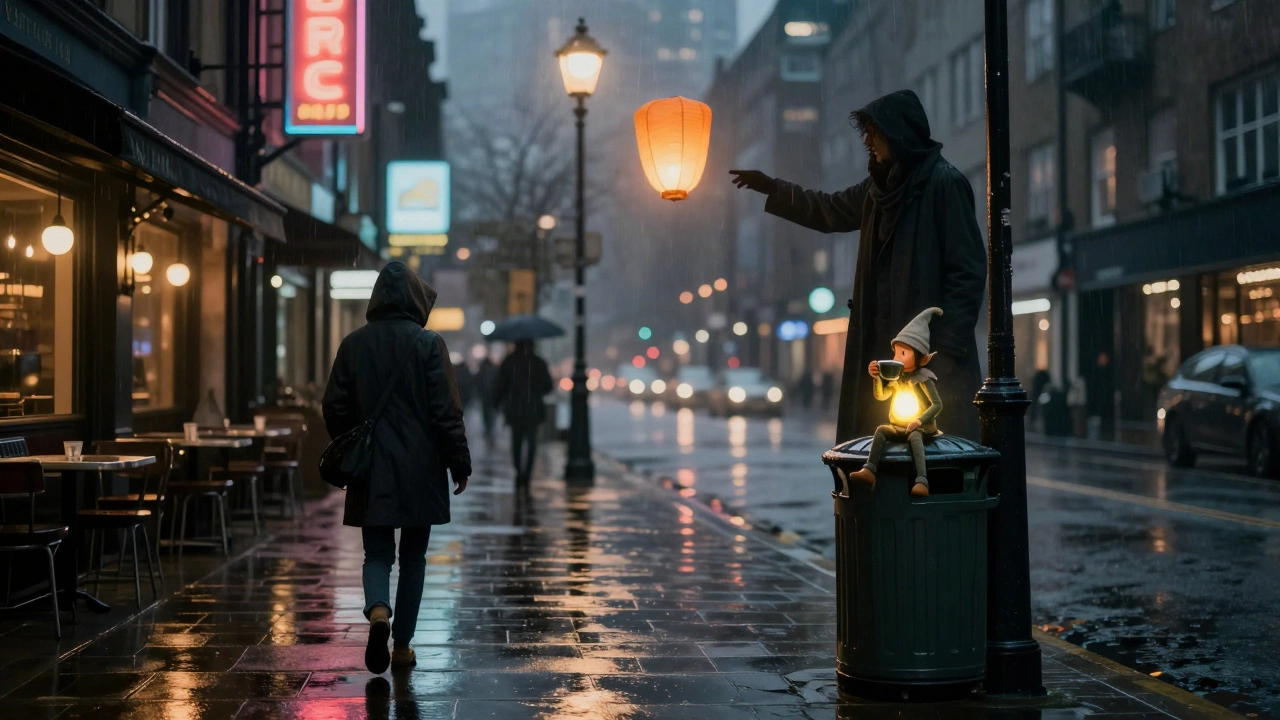
Real fantasy stories often center on fate, legacy, or awakening. The hero doesn’t just fight to live-they fight because they’re the chosen one, the last heir, the one who remembers the old ways. This isn’t always a prophecy. Sometimes it’s a whisper in the blood. In George R.R. Martin’s A Song of Ice and Fire, characters don’t become heroes because they train harder. They become heroes because of lineage, ancient oaths, or forgotten magic. Even in darker fantasy, like Joe Abercrombie’s The First Law, the magic and the myths still shape the world, even if the characters deny them. In sci-fi, the hero fights to save humanity. In fantasy, they fight because the world won’t survive without them.
It’s not about the tools-it’s about the soul
You can have a sword, a spellbook, a talking cat, and a quest to stop an evil king. But if all of that feels like a checklist, you’re not reading fantasy-you’re reading a fantasy-themed adventure. True fantasy asks deeper questions: What does it mean to be human when magic is real? Can a god die? Is a dragon more real than a king? Fantasy doesn’t just show you a world with magic. It makes you question what’s real in your own world.
So next time you pick up a book, ask: Does this world have rules I can’t explain? Is the magic consistent and costly? Do the creatures feel like legends, not monsters? Is the hero shaped by fate, not just circumstance? If the answer is yes, you’re reading fantasy. If not? You might just be reading something else.
Can a book be fantasy if it’s set in the real world?
Yes. Many fantasy books take place in our world but introduce magic that secretly runs beneath it. This is called urban fantasy. Examples include Neil Gaiman’s Neverwhere, where London has a hidden magical underworld, or Jim Butcher’s Dresden Files, where wizards live among us in modern Chicago. The setting doesn’t define fantasy-it’s the presence of impossible forces that do.
Is Harry Potter fantasy or sci-fi?
Harry Potter is fantasy. Magic works through spells, wands, and ancient rituals-not technology. The wizarding world has its own history, laws, and creatures like house-elves and dragons that come from myth, not science. Even the rules of magic, like the need for a wand or the power of love, are presented as mystical forces, not scientific principles. There’s no explanation based on physics or engineering. That’s the hallmark of fantasy.
What’s the difference between fantasy and magical realism?
Magical realism blends magic into a realistic world, but the characters treat it as normal-no explanation, no awe. In Gabriel García Márquez’s One Hundred Years of Solitude, people fly, rain lasts for years, and ghosts walk around-but no one questions it. Fantasy, by contrast, often has characters who are confused, scared, or fascinated by magic. It’s usually explained, studied, or fought over. Fantasy invites wonder. Magical realism accepts wonder as everyday life.
Can a book with advanced technology still be fantasy?
Rarely, but it can happen if the technology is treated like magic. In Frank Herbert’s Dune, the sandworms and spice have mystical qualities, but the story is still grounded in science-genetics, ecology, politics. If a book has a laser sword but calls it a "soulblade" that draws power from ancestral spirits, and no one explains how it works except through ritual, it’s fantasy. The key isn’t the tool-it’s how it’s understood. If it’s science, it’s sci-fi. If it’s belief, it’s fantasy.
Do all fantasy books have elves and dwarves?
No. That’s a stereotype from Tolkien-inspired fantasy. Modern fantasy includes stories with no elves at all. N.K. Jemisin’s The Broken Earth trilogy has no traditional fantasy races-just people shaped by seismic magic and societal collapse. Ken Liu’s The Grace of Kings is fantasy inspired by Chinese history, with silk-powered kites and divine storms, not dwarves. Fantasy is defined by the impossible, not by specific creatures.