When you see the title Powerless on a bookshelf, it’s easy to assume it’s just another fantasy novel. But is it really meant for young adults? The answer isn’t as simple as it looks.
What Is Powerless?
Powerless is a 2018 fantasy novel by American author Victoria Aveyard. It was published by HarperCollins and is the first book in a standalone trilogy that shares the same name. Unlike Aveyard’s more famous Red Queen series, Powerless doesn’t involve superhuman abilities or political power struggles between factions. Instead, it’s set in a world where magic exists-but only in the form of enchanted objects, not people.
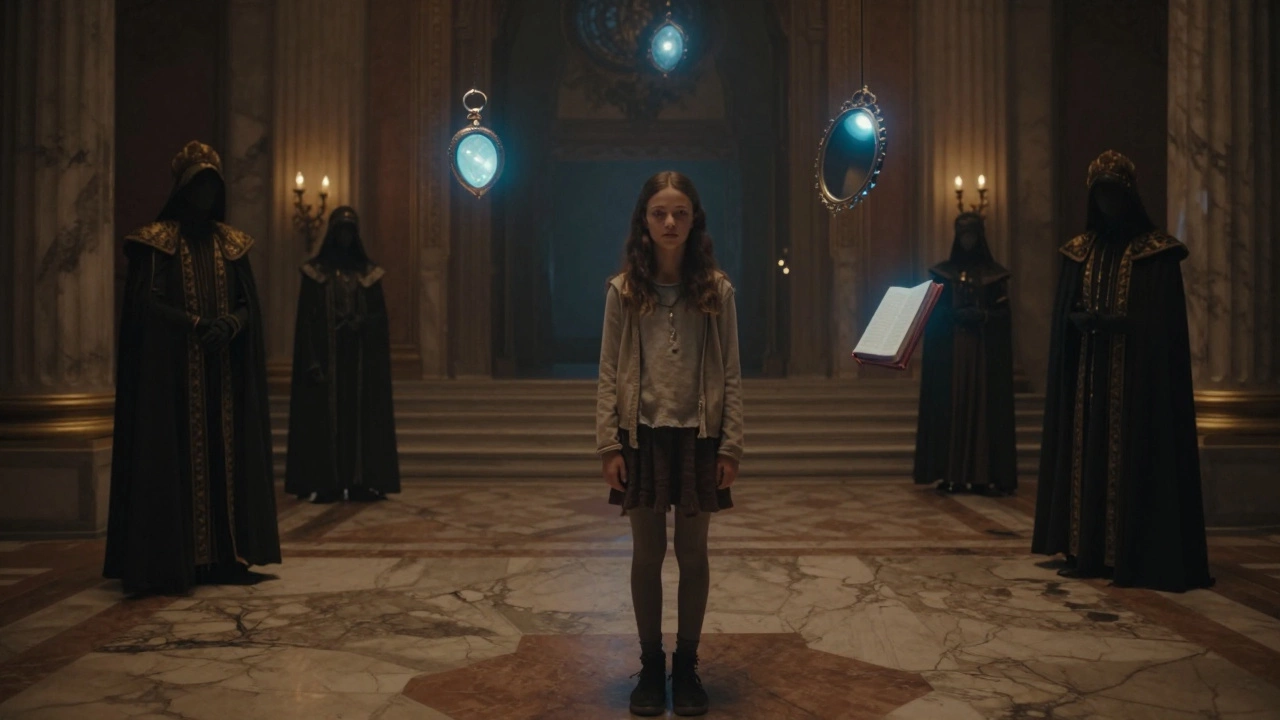
The story follows Emily Thomas, a 17-year-old girl who lives in a society where magic is controlled by a powerful elite. She doesn’t have magic herself. She’s what they call a Powerless. But when she accidentally becomes the owner of a dangerous enchanted artifact, she’s thrust into a world she never wanted to be part of.
Why It Fits Young Adult Fiction
Young adult (YA) fiction isn’t just about characters being teenagers-it’s about the emotional journey that comes with that age. Powerless nails this. Emily isn’t just dealing with school and crushes; she’s wrestling with identity, self-worth, and the fear of being invisible in a world that values power above all else.
The book explores themes common in YA:
- Coming of age - Emily’s growth from passive observer to someone who takes control of her fate
- Social inequality - The divide between those with magic and those without mirrors real-world class struggles
- Self-discovery - She learns her value isn’t tied to what she can do, but who she is
- First love - A slow-burn romance that doesn’t define her arc
These aren’t just plot points-they’re the heartbeat of YA fiction. And Emily’s voice? It’s exactly what you’d expect from a 17-year-old narrator: honest, uncertain, and full of quiet rebellion.
Who Is This Book For?
Let’s be clear: Powerless is written for readers aged 14 to 18. The language is accessible, the pacing is tight, and the chapters are short enough to keep younger readers engaged. But it’s not childish. The stakes are high. The consequences are real. And the moral gray areas? They’re thick.
That’s why it works for older teens and even adults who enjoy YA. The book doesn’t talk down to its audience. It doesn’t need to. Emily’s internal monologue doesn’t feel forced. It feels like listening to a smart kid who’s seen too much too soon.
Compare it to other YA fantasy titles:
| Book | Protagonist Age | Magic System | Core Theme | Target Audience |
|---|---|---|---|---|
| Powerless | 17 | Enchanted objects, no innate powers | Identity in a power-driven world | 14-18 |
| Red Queen by Victoria Aveyard | 17 | Blood-based superpowers | Class revolution | 14-18 |
| The Hunger Games | 16 | No magic, tech-based control | Survival under tyranny | 12-18 |
| A Court of Thorns and Roses | 19 | Fae magic, ancient bloodlines | Love, trauma, transformation | 16-22 |
Notice something? Powerless sits right in the middle of the YA fantasy pack. It’s darker than Harry Potter, less violent than The Hunger Games, and more grounded than A Court of Thorns and Roses. That makes it a perfect entry point for teens who want fantasy without overwhelming gore or romance.
What Makes It Different From Other YA Books?
Most YA fantasy gives the main character magical powers. Think Katniss, Tris, or even Hermione. But Emily? She’s the opposite. She’s ordinary. And that’s the whole point.
Victoria Aveyard flipped the script. Instead of asking, What if you had power? she asked, What if you had nothing-and still had to fight? That’s rare in YA. Most stories celebrate the chosen one. This one celebrates the one who wasn’t chosen… but chose themselves anyway.
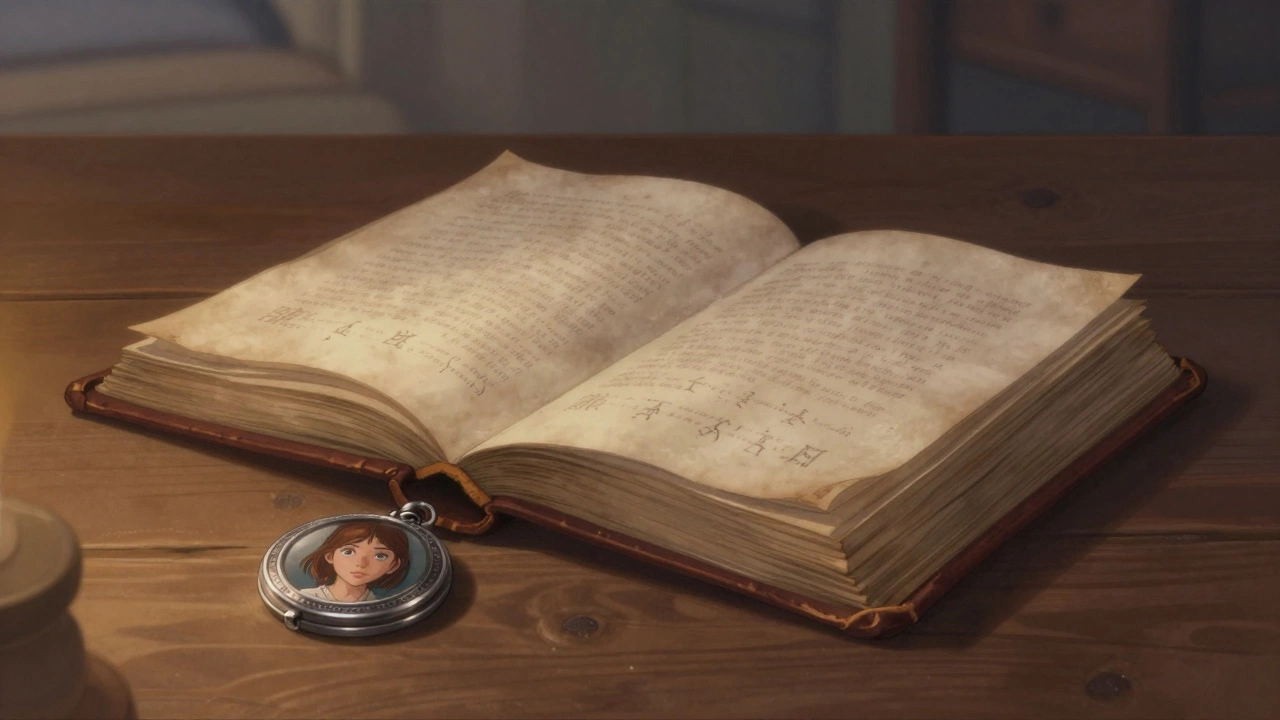
The magic system here is also unique. Magic isn’t inherited. It’s stored. Objects hold spells. A locket can heal. A mirror can show the truth. A book can erase memories. These aren’t just plot devices-they’re metaphors. The artifact Emily finds? It’s not just dangerous. It’s a mirror to her own fear: that she’s powerless to change anything.
Is It Too Mature for Teens?
No. There’s no explicit sex, no graphic violence, and no excessive swearing. The book does deal with loss, manipulation, and emotional abuse-but it handles them with care. Emily’s trauma isn’t exploited. It’s explored. Her healing isn’t rushed. It’s messy. And that’s what makes it real.
Parents and educators who worry about content should know: this book doesn’t glamorize power. It questions it. It doesn’t teach kids to fight for control. It teaches them to find strength without it.
Why It’s a Perfect YA Pick
If you’re looking for a YA book that feels fresh, emotionally deep, and different from the usual tropes, Powerless delivers. It’s not about winning a war. It’s about surviving your own doubts.
It’s for:
- Teens who feel overlooked
- Readers tired of chosen-one stories
- Anyone who’s ever felt like they didn’t belong
- Book clubs looking for a quiet but powerful discussion
And if you’re an adult picking it up? You’ll find yourself in Emily too. Because sometimes, the most powerful thing you can do isn’t to have magic.
It’s to keep going when you think you have nothing left.
Is Powerless part of the Red Queen series?
No, Powerless is a completely separate book by Victoria Aveyard. It shares the same author and some thematic elements-like class division and rebellion-but it has different characters, a different world, and its own plot. Don’t expect any crossover.
Is Powerless suitable for 12-year-olds?
It’s better suited for readers 14 and up. While there’s no explicit content, the emotional themes-like feeling powerless, betrayal, and isolation-may be heavy for younger readers. A 12-year-old who reads advanced YA might handle it, but parental guidance is recommended.
How many books are in the Powerless series?
There are three books in the Powerless trilogy: Powerless (2018), Broken (2019), and Free (2020). Each one picks up where the last left off, following Emily’s journey from outsider to leader.
Is Powerless a romance novel?
There is a romantic subplot, but it’s not the focus. The story is primarily about identity, courage, and what it means to have value without power. The romance develops slowly and realistically, without overshadowing Emily’s personal growth.
Why did Victoria Aveyard write Powerless after Red Queen?
After writing the high-stakes, action-heavy Red Queen series, Aveyard wanted to explore a quieter kind of rebellion. She said in interviews that she was inspired by people who feel invisible in society-those who don’t have a voice, a title, or a gift, but still make a difference. Powerless is her answer to that.
Final Thoughts
Yes, Powerless is a young adult book. Not because it has teenage characters, but because it speaks to what so many teens feel: that no one sees you, that your voice doesn’t matter, that you’re stuck on the sidelines. It doesn’t offer easy answers. It doesn’t hand Emily magic. But it gives her something better-agency. And that’s what makes it YA at its best.