
Literary vs. Commercial Fiction Quiz
Are you looking for deep emotional resonance or an exciting escape? Take this quick assessment to find out where your current reading mood falls on the spectrum.
You’ve probably stood in a bookstore aisle or scrolled through an online catalog and felt a sudden wave of confusion. On one side, you see books with moody covers and titles that sound like poetry. On the other, there are bold fonts, dramatic imagery, and promises of non-stop action. This isn’t just marketing fluff; it’s the fundamental divide between literary fiction is a genre focused on character development, stylistic prose, and thematic depth rather than plot-driven narrative. and commercial fiction is storytelling designed primarily for mass-market appeal, prioritizing plot momentum, relatable characters, and satisfying conclusions.. Understanding this difference doesn’t just help you pick your next read-it changes how you experience the story itself.
The Core Purpose: Art vs. Entertainment
At its heart, the difference comes down to intent. Literary fiction is often described as "art for art’s sake." The primary goal is to explore the human condition, challenge perspectives, or experiment with language. Think of it as a painting where the brushstrokes themselves are as important as the image they create. You might finish a literary novel feeling unsettled, thoughtful, or emotionally drained, but rarely bored. The joy comes from the nuance, the ambiguity, and the beauty of the writing.
Commercial fiction, by contrast, is engineered for entertainment. Its main job is to tell a compelling story that keeps you turning pages. Whether it’s a thriller, a romance, or a fantasy adventure, the focus is on plot progression and reader satisfaction. If you’re looking to escape reality, solve a mystery, or feel a rush of adrenaline, commercial fiction delivers exactly that. It’s not about being deep; it’s about being engaging. As author Stephen King famously noted, his goal is to make you care about what happens next, not necessarily to analyze the sociological implications of the setting.
Character Development: Internal vs. External
In literary fiction, characters are the engine of the story. These protagonists often undergo significant internal transformation. They might start flawed, confused, or broken, and the narrative follows their psychological journey toward self-awareness or acceptance. The external events are secondary to their inner lives. For example, in Kazuo Ishiguro’s *The Remains of the Day*, the plot is minimal-a housekeeper takes a road trip-but the emotional weight lies entirely in his repressed memories and regret.
Commercial fiction features characters who drive the plot forward through action. While these characters can be complex, their development is usually tied to external challenges. A detective solves crimes, a hero defeats a villain, or lovers overcome obstacles to be together. The character arc serves the story, not the other way around. In Dan Brown’s *The Da Vinci Code*, Robert Langdon is competent and knowledgeable, but we don’t spend chapters exploring his childhood trauma. We follow him because he’s unraveling a conspiracy, and his personal growth is incidental to the chase.
| Attribute | Literary Fiction | Commercial Fiction |
|---|---|---|
| Primary Focus | Character interiority and theme | Plot momentum and pacing |
| Prose Style | Stylistic, lyrical, experimental | Clear, accessible, invisible |
| Ending | Ambiguous, open-ended, reflective | Resolved, satisfying, conclusive |
| Pacing | Deliberate, slow-burn | Fast-paced, high-stakes |
| Reader Goal | Reflection and emotional resonance | Entertainment and escapism |
Prose and Style: The Invisible Wall
If you want to test whether a book is literary or commercial, look at the sentences. Literary fiction often draws attention to itself. Authors use metaphor, symbolism, and complex sentence structures to create mood and meaning. Every word choice feels intentional, sometimes even difficult. You might need to reread a paragraph to fully grasp its implication. This style demands active participation from the reader. It’s slow, deliberate, and rich.
Commercial fiction aims for transparency. The best commercial writers make their prose disappear so you’re immersed in the action. You shouldn’t notice the grammar or the syntax; you should only notice the explosion, the kiss, or the twist. The language is functional, clear, and direct. This isn’t to say commercial fiction lacks quality-many bestselling authors are incredibly skilled storytellers-but the style serves the speed of the narrative. As Elmore Leonard, a master of crime fiction, advised, "Try to leave out the parts that readers tend to skip."
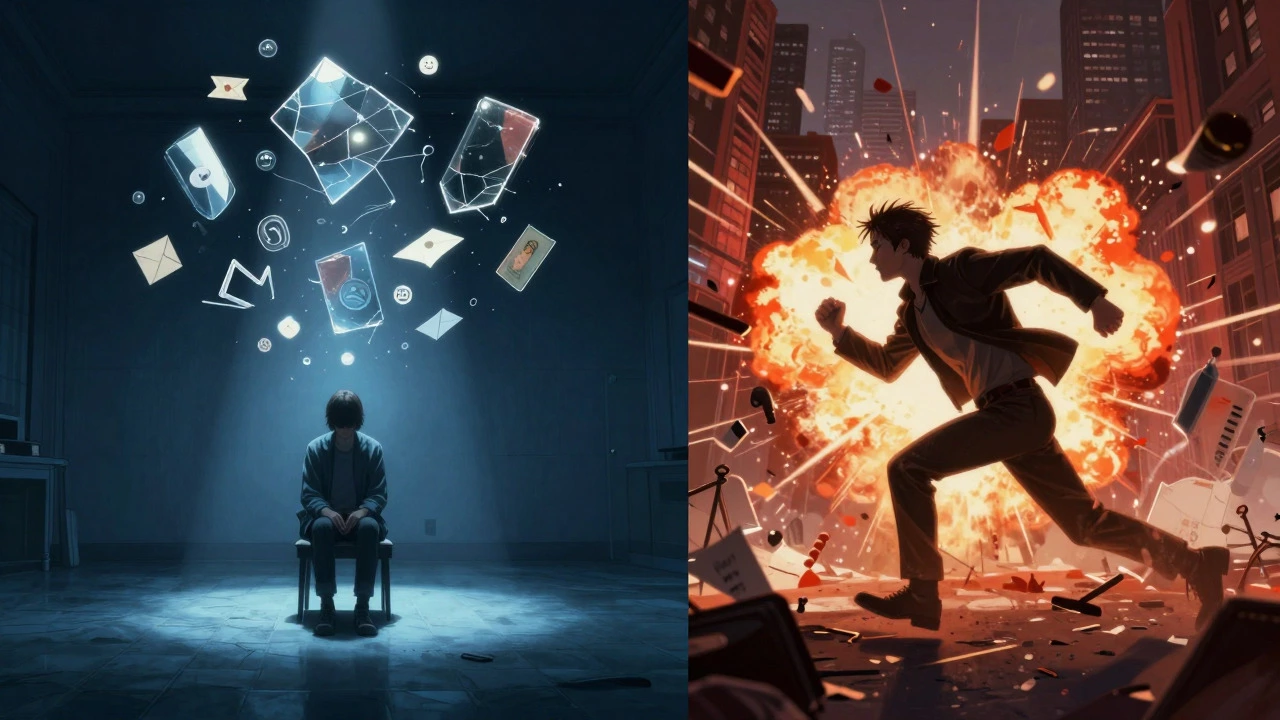
Themes and Ambiguity: Answers vs. Questions
Literary fiction thrives on ambiguity. It rarely provides neat answers. Instead, it poses questions about morality, identity, society, or existence. The ending might be unresolved, leaving you to interpret the character’s fate or the significance of events. This openness invites discussion and multiple readings. A literary novel might end with a character standing at a crossroads, literally or metaphorically, without telling you which path they choose. The power lies in the uncertainty.
Commercial fiction generally offers closure. Readers invest time and money expecting a payoff. Mysteries are solved, villains are defeated, and relationships are either cemented or clearly ended. While some commercial genres allow for sequels or loose ends, the immediate story must feel complete. This predictability is part of its appeal. You know you’ll get a resolution, which reduces anxiety and increases enjoyment. It’s the difference between watching a thought-provoking documentary and riding a rollercoaster-one makes you think, the other makes you scream.
Market Dynamics and Awards
The publishing industry treats these two categories very differently. Literary fiction is often championed by critics, academics, and award committees. Prizes like the Pulitzer Prize for Fiction, the Booker Prize, and the National Book Award predominantly recognize literary works. These awards highlight innovation, cultural relevance, and artistic merit. Books in this category may sell fewer copies initially but can have long tails of sales due to academic adoption and critical acclaim.
Commercial fiction dominates bestseller lists. Titles by authors like James Patterson, Colleen Hoover, or Andy Weir routinely top the New York Times Best Seller list. Success here is measured by volume and speed of sales. Marketing focuses on hooks, tropes, and comparable titles ("If you liked [Popular Book], you’ll love this!"). While some literary novels cross over into commercial success (like Donna Tartt’s *The Goldfinch* or Celeste Ng’s *Little Fires Everywhere*), the majority of blockbusters are firmly in the commercial camp. The financial risk is higher for publishers investing in unknown literary voices, whereas commercial formulas are proven revenue generators.

The Blurred Lines: Upmarket Fiction
It’s important to note that the line isn’t always black and white. Many modern authors operate in a space called "upmarket fiction." These books combine the character depth and stylistic flair of literary fiction with the plot-driven structure of commercial fiction. Authors like Gillian Flynn (*Gone Girl*), Margaret Atwood (*The Handmaid’s Tale*), and Emily St. John Mandel (*Station Eleven*) write stories that are both intellectually stimulating and wildly entertaining. They offer the page-turning urgency of a thriller or dystopia but with the prose quality and thematic weight of literary classics. This hybrid approach has become increasingly popular as readers seek both substance and excitement.
Which Should You Read?
Your choice depends entirely on your mood and goals. If you’re stressed, tired, or just want to unwind after a long day, commercial fiction is likely your best bet. It’s low-friction entertainment that rewards you with a sense of completion. If you’re feeling introspective, curious, or eager to be challenged, literary fiction will provide a richer, more lingering experience. Don’t feel pressured to stick to one category. Many avid readers maintain a "TBR" (To Be Read) pile with a mix of both, switching between them based on their energy levels. Reading widely across both spectrums enhances your overall appreciation for storytelling in all its forms.
Is literary fiction better than commercial fiction?
No, neither is objectively better. Literary fiction excels in artistic expression and thematic depth, while commercial fiction masters engagement and accessibility. Value depends on what you seek from reading: reflection or entertainment.
Can a book be both literary and commercial?
Yes, this is known as upmarket fiction. Authors like Donna Tartt and Gillian Flynn blend strong plots with sophisticated prose, appealing to both casual readers and literary critics simultaneously.
Why do some people dislike literary fiction?
Some readers find literary fiction too slow, dense, or ambiguous. The lack of clear plot progression and resolved endings can feel frustrating if the reader is seeking straightforward entertainment or escapism.
Are commercial fiction authors less talented?
Not at all. Writing compelling, fast-paced narratives requires significant skill in pacing, dialogue, and structure. Many commercial authors are highly disciplined professionals who understand audience psychology deeply.
How do I identify if a book is literary or commercial before buying?
Check the cover design (moody/artistic vs. bold/graphic), read reviews mentioning "slow burn" or "character study" for literary, and "page-turner" or "thrilling" for commercial. Also, look at the publisher’s imprint and any award nominations.