Bible theft: Why the world's most purchased book is still targeted
When you think of the Bible, the world’s most widely distributed and purchased book, with over 5 billion copies printed since 1815. Also known as the Good Book, it’s found in hotel rooms, hospitals, prisons, and homes across every continent. Yet despite its ubiquity, the Bible is also one of the most stolen books in the world. From hotel drawers to church pews, people take it—not always out of malice, but often because they believe it’s free for the taking. This isn’t just about missing paper and ink. It’s about how we treat symbols of faith, tradition, and authority.
The Bible, a collection of sacred texts central to Christianity, with parts dating back over 2,700 years isn’t stolen because it’s rare—it’s stolen because it’s everywhere. Hotels report losing hundreds of Bibles every year. Prisons see inmates take them for comfort, then sell them. Churches in rural areas have lost entire shelves during renovations. Even in countries where religious texts are protected by law, the Bible remains vulnerable because people don’t see it as "property." But theft isn’t just a crime against institutions—it’s a quiet erosion of trust. When someone takes a Bible from a hotel room, they’re not just taking a book. They’re breaking an unspoken agreement: that this text, placed there for free access, should remain available for the next guest.
Related to this are the Bible sales, figures that consistently top global book markets, outselling even fiction bestsellers like Harry Potter and The Da Vinci Code. In 2023 alone, over 100 million Bibles were printed and distributed worldwide. That’s more than any other single title in history. But high sales don’t mean high respect. The same people who buy Bibles for gifts or shelves sometimes don’t open them. And those who do open them? They’re often the ones who end up taking them when they’re not theirs to keep. The tension between reverence and disregard is real. Why does a book that’s given away freely still get stolen? Because it’s seen as both sacred and disposable—two things that shouldn’t go together, but often do.
There’s also the cultural side. In places where religion is under pressure, stealing a Bible can be an act of rebellion. In others, it’s just laziness—a habit passed down from childhood. The sacred text theft, the act of removing religious books from public or institutional spaces without permission isn’t new. But today, with digital alternatives and declining church attendance, the physical Bible feels more fragile than ever. It’s no longer a given that people will treat it with care. And that’s why the thefts matter—not because they hurt publishers, but because they reveal how deeply we’ve stopped believing in the weight of these words.
What you’ll find below are real stories, data, and discussions about why the Bible—despite being the most bought, most given, and most copied book on earth—is still the most stolen. From hotel audits to prison records, from cultural shifts to personal confessions, these posts dig into the quiet contradictions of faith in the modern world.
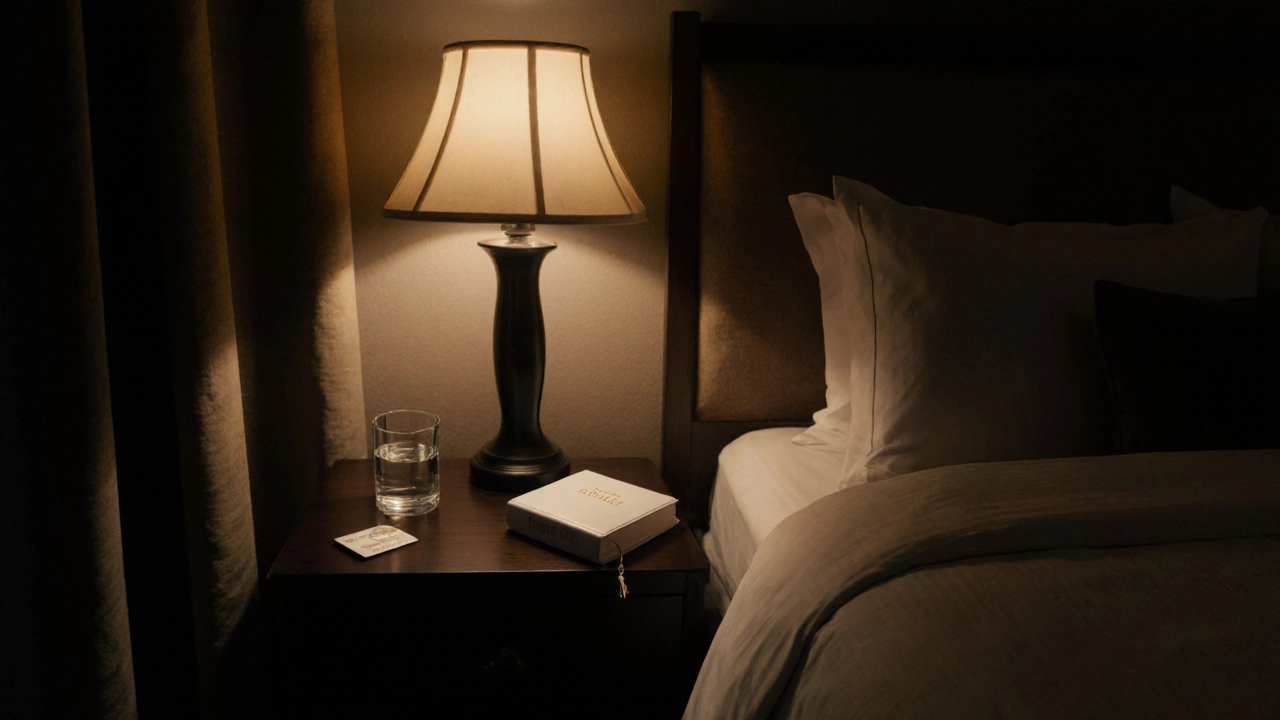
What Is the Most Stolen Book in the World?
The Bible, especially the Gideon edition, is the most stolen book in the world - not because it's valuable, but because it's everywhere and free. Learn why it's taken more than any other book.
View More