Cultural Narrative: Stories That Shape Who We Are
When we talk about cultural narrative, the shared stories a society tells itself to explain its values, history, and identity. Also known as collective mythology, it’s what turns a simple tale into something that sticks in a community’s memory for centuries. It’s not just about books or legends—it’s the quiet story your grandmother told you about hard work paying off, the hero who rises from nothing, the warning about pride that shows up in folktales from Kerala to Karnataka. These aren’t random stories. They’re the invisible glue holding traditions, beliefs, and even how we raise our kids together.
A cultural narrative, the shared stories a society tells itself to explain its values, history, and identity doesn’t need to be written down to be powerful. Think of the epic of Gilgamesh—older than most religions—and how its themes of loss and legacy still echo in modern Indian novels. Or how the idea of dharma, passed down through generations, quietly shapes characters in literary fiction today. These stories don’t just entertain; they teach us what matters. They answer questions like: Who are we? What’s worth fighting for? What happens when we break the rules? That’s why the most unforgettable books—whether it’s a rural family saga or a myth-inspired fantasy—always tap into these deeper threads. A mythological theme, a recurring pattern or symbol in stories that reflects deep cultural beliefs like sacrifice, redemption, or the journey home isn’t just a plot device—it’s a mirror.
And it’s not just ancient tales. Modern Indian authors like Arundhati Roy, Amitav Ghosh, and Perumal Murugan aren’t just writing fiction—they’re reshaping cultural narratives. They take local dialects, forgotten histories, and silenced voices, and turn them into stories that force us to rethink who gets to tell the story. Meanwhile, the literary fiction, a genre focused on character depth, emotional truth, and stylistic language rather than plot-driven action you pick up at India Book Bazaar often carries these narratives in its bones. You don’t need to study them to feel them. You just need to read.
What you’ll find in these posts isn’t a textbook on culture. It’s real, raw, and relatable. From how the Bible became the world’s most stolen book to why the oldest adventure story still matters, each piece connects back to one thing: the stories we live by. Whether it’s about who gets to write history, what makes a story stick, or how myth still shapes our choices—you’ll see how cultural narrative isn’t just in books. It’s in the silence between the lines, in the books we hand down, and in the ones we keep coming back to.
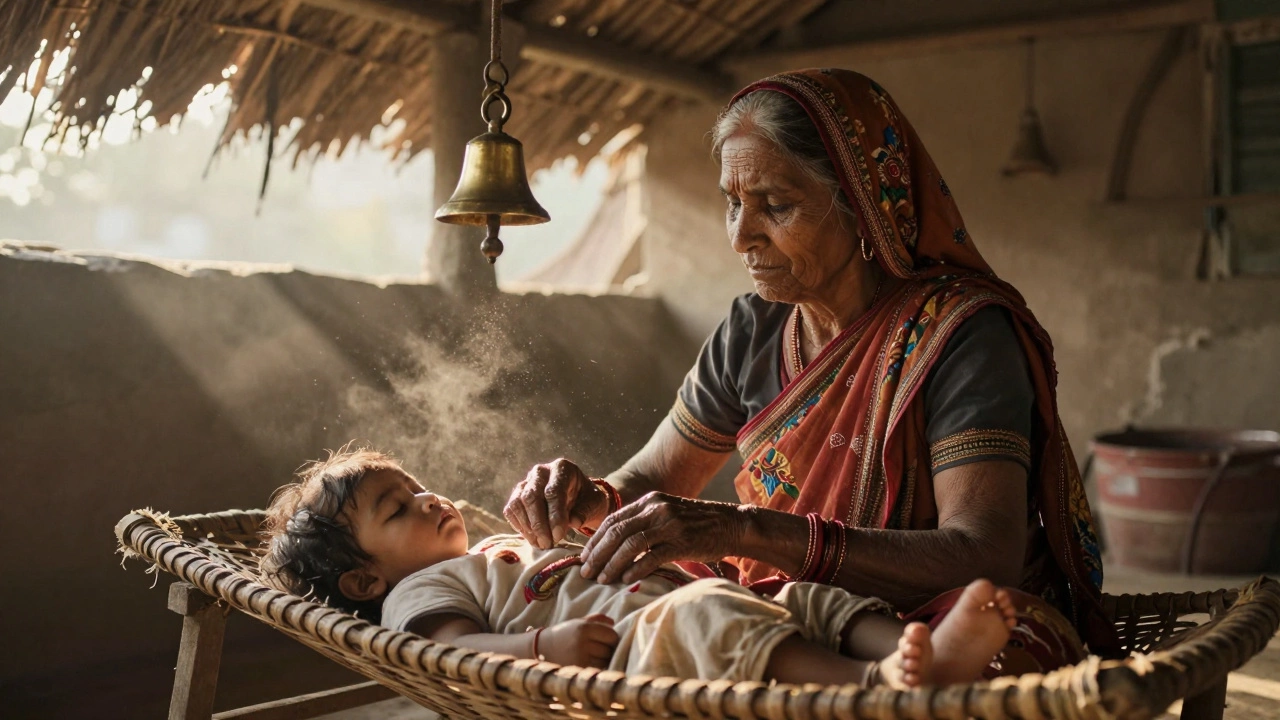
How to Write a Cultural Story That Resonates
Writing a cultural story requires more than tradition and costume-it demands deep listening, sensory truth, and respect for lived experience. Learn how to capture authenticity without appropriation.
View More
Cultural Narrative Explained with Real-World Examples
Discover what a cultural narrative is, why it matters, and see real-world examples from myths to modern media-all explained in plain language.
View More
Cultural Narrative Essay Explained: Definition, Structure & Writing Tips
Learn what a cultural narrative essay is, how it blends personal stories with cultural analysis, and get step‑by‑step guidance, examples, and tips for strong writing.
View More