Historical Accuracy in Books: What Makes a Story Feel True
When you read a historical accuracy, the degree to which a fictional story aligns with known facts from the past. It's not about rewriting history—it's about honoring it enough to let readers believe they're really there. You don’t need every date and name perfect, but the feel has to be right. If a character uses a phrase that didn’t exist yet, or wears clothing that hadn’t been invented, it pulls you out of the story. That’s not just a mistake—it breaks the spell.
historical fiction, a genre that blends real events and people with imagined narratives. It's the most common place where historical accuracy matters most. Think of novels set during the American Civil War, the Mughal Empire, or colonial India. Readers don’t just want drama—they want to learn something real while they’re hooked. That’s why books that get the small details right—how people ate, spoke, walked, or argued—feel more alive than those that rely on clichés. factual accuracy, the commitment to verifiable truths within a narrative. It’s what separates a novel that feels like a museum exhibit from one that feels like a conversation across time. A writer doesn’t have to be a historian, but they do need to respect the bones of the past. Otherwise, the story becomes a costume party with no real weight behind it.
Some readers forgive small errors if the emotional truth is strong. Others won’t. And that’s okay. But if you’re writing or choosing a book rooted in real history, the difference between a good story and a great one often comes down to this: does it make you wonder what else was true? Does it send you looking up the real person behind the character? Does it make you feel the weight of their time—not just the drama of their actions?
The posts here don’t just talk about history—they show you how stories stick. Whether it’s the Bible’s cultural reach, the truth behind mythological fiction, or how cultural narratives shape what we believe, each one digs into what makes a story feel real. You’ll find books that get the details right, and others that bend them for a reason. You’ll see why some books become classics not because they’re perfect, but because they feel true.
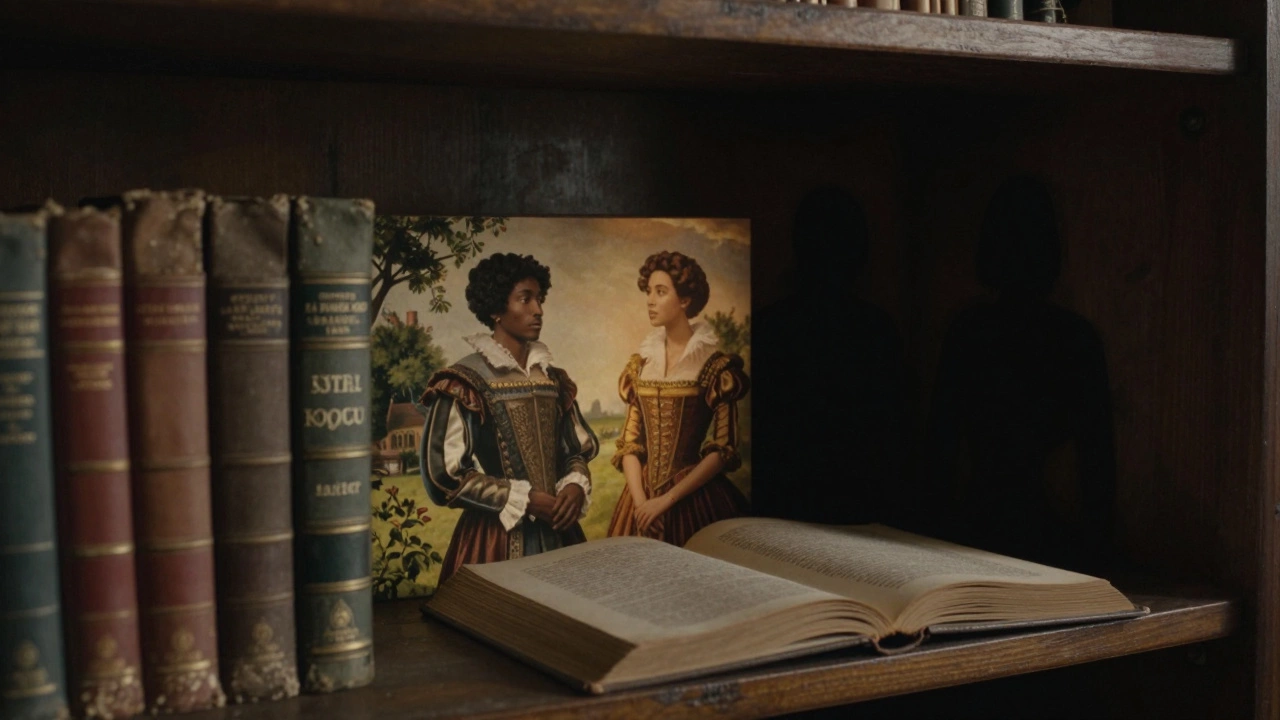
Why Is Historical Fiction Controversial?
Historical fiction sparks controversy because it reshapes real suffering into entertainment, silences marginalized voices, and blurs the line between fact and fantasy. Who gets to tell the past-and how-matters more than ever.
View More