Large Casts in Books: Why Bigger Character Groups Make Stories Stick
When a book has a large cast, a group of five or more central characters who each drive the story in meaningful ways. Also known as ensemble fiction, it doesn’t just mean more people on the page—it means more voices, more conflicts, and more ways to see the world through different eyes. Think of it like a band where every instrument has its own part, but they all need to harmonize. A story with a large cast isn’t just about quantity; it’s about how each character adds weight, tension, or truth to the whole.
Books with large casts often work because they mirror real life. People don’t live in isolation—they’re shaped by family, friends, rivals, mentors, and strangers who pass through their lives. That’s why stories like The Godfather or One Hundred Years of Solitude feel so alive. Each character isn’t just a plot device; they carry history, secrets, and emotional baggage that ripple through the narrative. This kind of storytelling requires careful balance. Too many characters, and the reader gets lost. Too few, and the world feels thin. The best large-cast books give each person a clear role, a distinct voice, and a reason to matter—even if they only appear for a few pages.
Large casts often go hand-in-hand with multiple protagonists, when the story shifts focus between several main characters, each with their own goals and arcs. This isn’t the same as having one hero with sidekicks. It’s when the story belongs to everyone. Think of Game of Thrones—but in books, where you can dig deeper into thoughts, memories, and inner contradictions. These stories thrive on perspective shifts. They ask you to reconsider who the real hero is, or even if there is one. And that’s what makes them unforgettable. You’ll also find these books often explore story ensemble, a narrative structure where the group itself becomes the central character, not just a collection of individuals. The relationships, alliances, betrayals, and quiet moments between characters form the true heartbeat of the tale. You won’t find these in every book. But when you do, they stick with you longer than any lone hero ever could.
What you’ll find in the posts below are real examples of how large casts shape storytelling—from the quiet, overlapping lives in literary fiction to the explosive dynamics of epic sagas. You’ll learn why some books pull off dozens of characters without confusion, and why others fail. You’ll see how authors use structure, voice, and pacing to keep readers grounded. And you’ll find out which books with large casts are worth your time—whether you’re reading for escape, insight, or just to feel less alone in a crowded world.
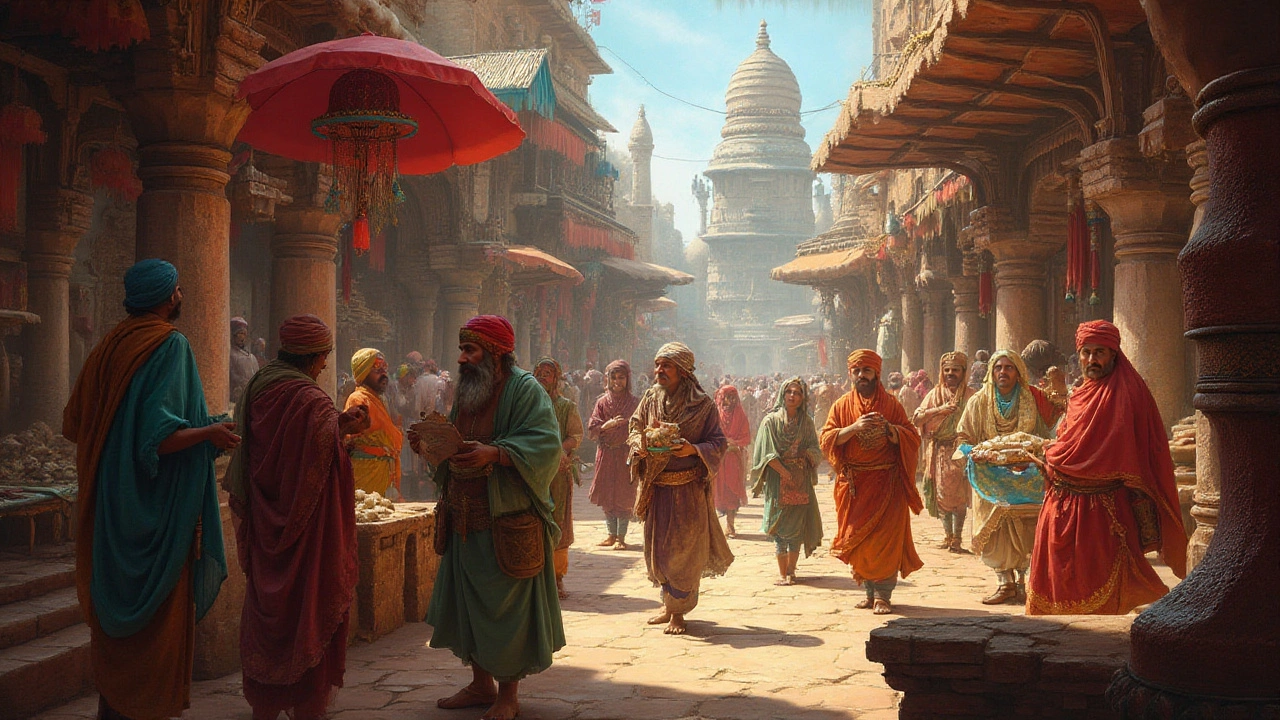
Managing Large Casts in Fantasy Novels: Are 14 Characters Too Many?
Navigating a large cast in fantasy novels can present both challenges and opportunities for writers. With 14 or more characters, maintaining distinctive voices and story arcs can be intricate yet rewarding. Readers can be captivated by the complexity and depth, if handled skillfully. Balance, clarity, and narrative weaving are crucial for effectively managing such ensembles. Exploring successful examples from literature offers insights into strategies and common pitfalls.
View More