2009 Publishing Revolution Quiz
Loading question...
Quiz Complete!
You scored:
Picture the year 2009. Smartphones were just becoming pocket-sized necessities, social media was still finding its footing, and the global economy was reeling from a massive crash. In that specific cultural moment, one book didn't just climb the charts; it dominated them so thoroughly that it became the definitive answer to "what was the most purchased item on Amazon.com in 2009?" among physical books.
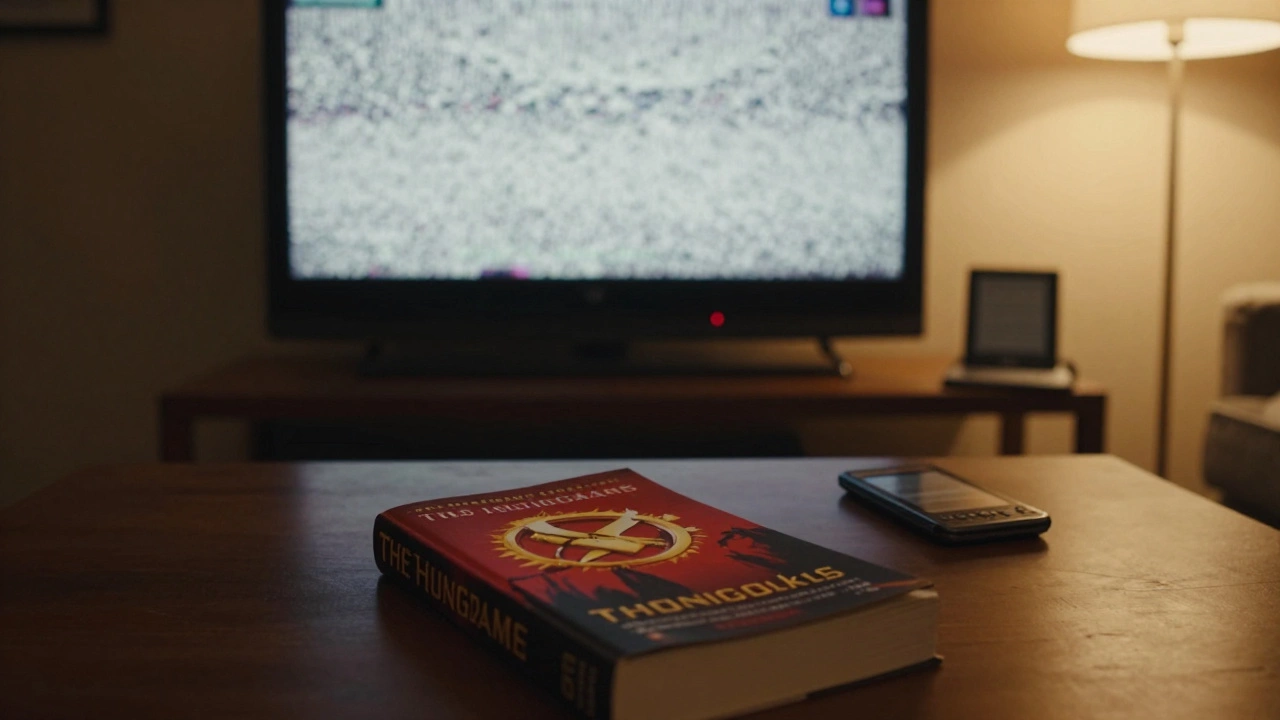
The answer is The Hunger Games. Written by Suzanne Collins, this novel wasn't just a best-seller; it was a phenomenon that shifted the entire landscape of publishing. It proved that Young Adult (YA) fiction could captivate adults, drive box office numbers, and create a cultural conversation that lasted for years. If you are looking back at what defined reading habits nearly two decades ago, or trying to understand the roots of modern dystopian fiction, this story explains why that single title matters.
The Phenomenon of The Hunger Games
To understand why The Hunger Games topped the lists, we have to look at what made it different. Before 2009, dystopian fiction existed, but it was often seen as niche or strictly academic. Collins took the concept of a brutal survival game set in a post-apocalyptic future and wrapped it in a narrative that felt immediate and visceral. The protagonist, Katniss Everdeen, wasn't a typical hero. She was reluctant, pragmatic, and deeply human.
When the book hit shelves in September 2008, it started climbing charts steadily. By early 2009, it had secured its spot at number one on the New York Times Best Seller list. But the real metric here is Amazon sales. During this period, Amazon was transitioning from a simple online bookstore into the world's primary retail engine. The algorithm favored momentum. As more people bought the book, the recommendation engine pushed it harder, creating a feedback loop that few other titles could match. It wasn't just about quality; it was about timing and platform mechanics working together.
Critics initially raised eyebrows over the violence, but readers responded to the emotional core. The story tapped into anxieties about economic inequality and government control-themes that resonated deeply during the aftermath of the 2008 financial crisis. This connection between fiction and real-world sentiment is rare, but when it happens, it creates a blockbuster.
Why 2009 Was a Pivotal Year for Books
You can't separate the success of The Hunger Games from the broader context of 2009. This was the year the digital shift accelerated. E-readers like the Kindle were gaining traction, yet physical books remained dominant for mass-market releases. Readers wanted tangible objects they could share, highlight, and display. The book served as a bridge between traditional print loyalty and the emerging digital habit.
Furthermore, the literary landscape was ripe for change. Fantasy series like The Lord of the Rings and Harry Potter had proven that multi-book narratives could build lifelong fanbases. However, there was a gap in the market for gritty, realistic dystopias aimed at older teens and young adults. Other contenders in 2009 included non-fiction titles like The Secret by Rhonda Byrne and memoirs by celebrities, but none generated the same sustained community engagement as Collins' work. The hunger for a new shared cultural experience was palpable, and this book filled that void perfectly.
The Rise of Young Adult Fiction
Before 2009, "Young Adult" was often treated as a marketing category rather than a respected literary genre. Publishers frequently dismissed YA as fleeting or simplistic. The Hunger Games shattered that perception. It demonstrated that complex themes-war, propaganda, sacrifice, and love-could be explored through a younger protagonist without dumbing down the narrative. This opened floodgates for authors who might have previously been pigeonholed.
The impact was immediate. Sales of YA fiction skyrocketed throughout 2009 and continued to grow. Bookstores began dedicating larger sections to these titles. Libraries reported increased checkouts. More importantly, adult readers embraced the genre, leading to the rise of "cross-over" hits. This trend changed how publishers evaluated manuscripts. They stopped asking, "Will kids read this?" and started asking, "Will everyone read this?" The distinction blurred, allowing for richer storytelling across age demographics.

Comparing the Giants of 2009
| Title | Author | Genre | Key Appeal | Long-Term Impact |
|---|---|---|---|---|
| The Hunger Games | Suzanne Collins | Dystopian YA | High stakes, relatable heroine | Launched a franchise, defined a genre |
| The Secret | Rhonda Byrne | Self-Help | Promises of abundance | Maintained steady sales, polarizing reception |
| The Girl with the Dragon Tattoo | Stieg Larsson | Thriller/Mystery | Dark mystery, strong female lead | Revitalized Scandinavian noir globally |
| Eat, Pray, Love | Elizabeth Gilbert | Travel Memoir | Personal transformation journey | Influenced travel writing and lifestyle trends |
While titles like The Girl with the Dragon Tattoo gained significant buzz later in the year due to film adaptations and word-of-mouth, The Hunger Games maintained consistent volume from release through the end of 2009. Its ability to sustain interest without relying solely on celebrity endorsements or self-help promises set it apart. It was a story-first success in an era increasingly driven by personality-driven marketing.
How Amazon Algorithms Shaped Success
We often credit pure merit for best-sellers, but in 2009, Amazon's role was critical. The platform's "Customers who bought this item also bought" feature created powerful discovery pathways. Once The Hunger Games reached a certain velocity, it appeared alongside other popular titles, exposing it to wider audiences. This network effect meant that even if someone hadn't heard of the book, they likely saw it recommended next to something they already loved.
Additionally, user reviews played a massive part. Early adopters left glowing testimonials, which boosted the book's visibility in search results. The combination of high conversion rates and positive feedback loops made it nearly impossible for competitors to catch up within that calendar year. For marketers and authors today, understanding these dynamics is crucial. Organic growth still matters, but platform mechanics can amplify or suppress reach significantly.

Legacy Beyond the Charts
Looking back from 2026, the significance of The Hunger Games goes beyond its 2009 sales figures. It paved the way for subsequent dystopian hits like Divergent and The Maze Runner. It showed studios that YA properties could yield billion-dollar franchises. But perhaps its greatest legacy is in reader empowerment. It encouraged a generation to engage critically with media, discuss political themes, and find community through shared stories.
For collectors and historians, original printings from 2009 hold sentimental value. They represent a before-and-after moment in publishing history. Before this book, YA was secondary. Afterward, it was central. Understanding this shift helps explain why so many contemporary best-sellers follow similar structural beats: strong protagonists, high-stakes worlds, and themes of resistance against authority.
Frequently Asked Questions
Was The Hunger Games the absolute #1 best-seller on Amazon in 2009?
Yes, in terms of book units sold, The Hunger Games was widely recognized as the top-selling fiction title on Amazon in 2009. While non-fiction and electronics competed for overall revenue, this novel led in pure book sales volume, driving significant traffic to the platform's literature section.
What other books were popular in 2009?
Other notable best-sellers included The Secret by Rhonda Byrne, Eat, Pray, Love by Elizabeth Gilbert, and The Girl with the Dragon Tattoo by Stieg Larsson. These titles covered diverse genres from self-help to thriller, showing a varied reading appetite despite the dominance of dystopian fiction.
Why did Young Adult fiction become so popular after 2009?
The success of The Hunger Games proved that YA stories could appeal to all ages. Publishers realized that investing in strong character arcs and immersive worlds attracted both teen and adult readers, leading to increased budgets and marketing efforts for the genre.
Did Amazon's algorithm help boost sales of The Hunger Games?
Absolutely. Amazon's recommendation engines and review systems created a virtuous cycle. High initial sales triggered prominent placement, which drove more sales. This data-driven approach allowed the book to maintain visibility longer than traditional retail methods would have supported.
Is The Hunger Games still relevant today?
Yes, it remains culturally significant. Its themes of surveillance, inequality, and media manipulation continue to resonate. Additionally, its influence on modern storytelling structures ensures that new generations encounter its narrative techniques, even if indirectly through derivative works.