The Epic of Gilgamesh Knowledge Quiz
You think you know what a hero’s journey looks like? Think again. Long before Homer wrote about Odysseus or J.R.R. Tolkien dreamed up Middle-earth, someone in ancient Mesopotamia was scratching out the tale of a king who went on a wild quest for immortality. It is not just old; it is the oldest surviving major work of literature we have. We are talking about the Epic of Gilgamesh, a text that predates the Bible and the Iliad by over a thousand years.
Why does this matter to you today? Because every adventure story you read, every video game you play, and every movie where a protagonist faces impossible odds owes a debt to this clay tablet narrative. If you want to understand the roots of storytelling, you have to go back to the source. This isn't some dusty academic exercise; it is the blueprint for human drama.
The Key Takeaways
- The Epic of Gilgamesh is widely recognized as the oldest surviving great work of literature, dating back to around 2100 BCE.
- It originated in Sumer (modern-day Iraq) and was written in cuneiform script on clay tablets.
- The story explores universal themes: friendship, grief, the fear of death, and the search for meaning.
- While other texts exist, none match the Epic's length, complexity, and narrative coherence from such an early period.
What Exactly Is the Epic of Gilgamesh?
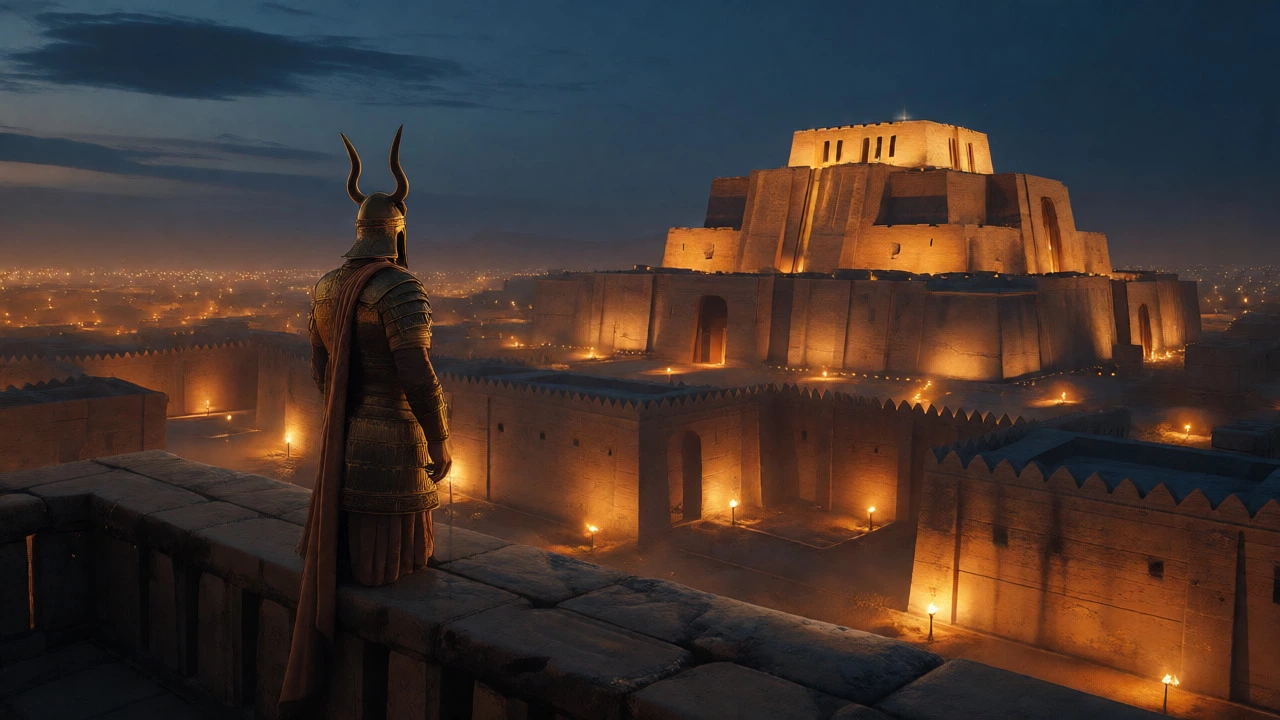
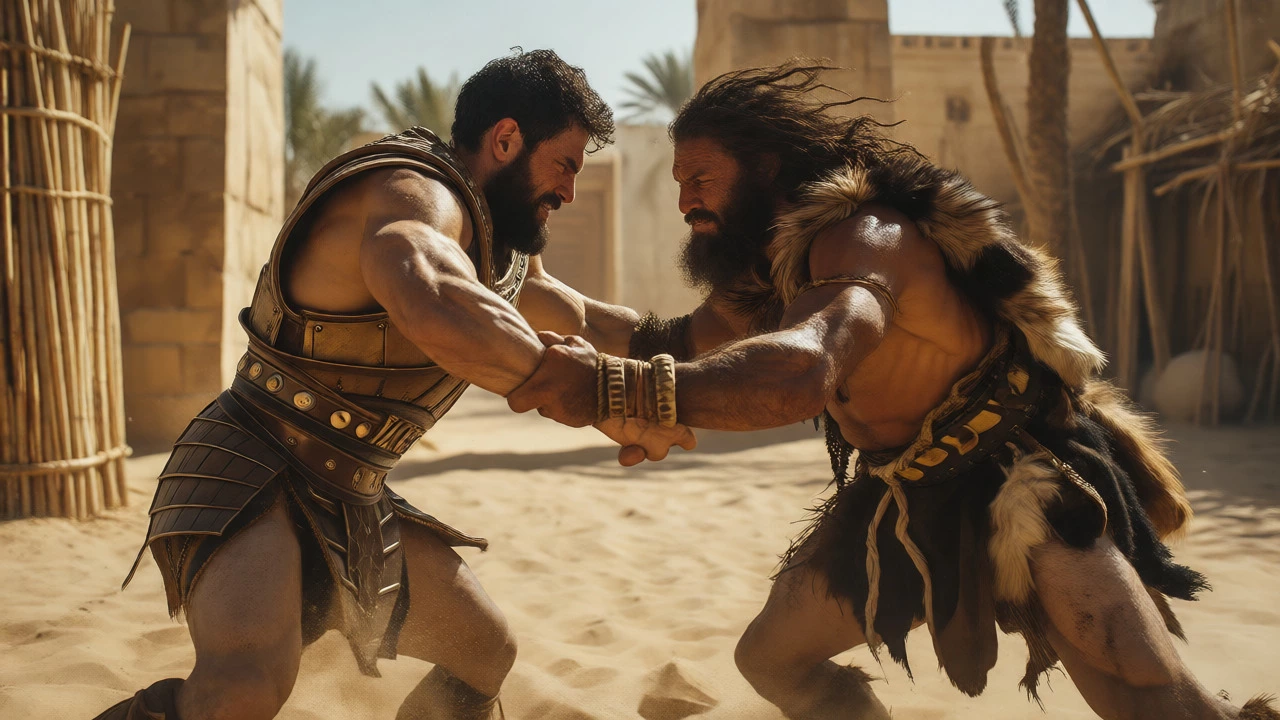
Let’s get specific. The Epic of Gilgamesh is an ancient poem that tells the story of Gilgamesh, the semi-mythical King of Uruk. He is two-thirds god and one-third man, which sounds like a power fantasy until you realize how miserable he is. He tyrannizes his people, so the gods create a wild man named Enkidu to challenge him. They fight, become best friends, and then go on adventures together.
This isn't just a list of events. It is a structured narrative with character arcs. Enkidu starts as a beast living among animals and becomes civilized through interaction with a temple prostitute named Shamhat. That transformation alone mirrors countless modern coming-of-age stories. When Enkidu dies, Gilgamesh is shattered. His subsequent journey to find the secret of eternal life drives the rest of the plot. He fails, of course. But the way he handles failure-by returning home and accepting his mortality-is what makes the story resonate across millennia.
You might ask, "Is there anything older?" Technically, yes. There are shorter hymns and lists from Sumer that date back further, perhaps to 2600 BCE. But these are fragments, prayers, or administrative records. They lack the sustained narrative structure of the Epic. When scholars talk about the "oldest surviving story," they mean a coherent tale with a beginning, middle, and end. By that definition, the Epic stands alone.
How Did We Find It?
For centuries, the Epic of Gilgamesh was lost to history. It wasn't until the mid-19th century that archaeologists began digging in the ruins of Nineveh, the capital of the Assyrian Empire. In 1853, Austen Henry Layard and Hormuzd Rassam uncovered the library of King Ashurbanipal. Inside were thousands of clay tablets, broken but readable.
Among them was a set of twelve tablets containing the standard Babylonian version of the Epic. George Smith, an assistant at the British Museum, translated Tablet XI in 1872. He famously ran around the room shouting when he realized it contained a flood narrative strikingly similar to the biblical story of Noah. This discovery sent shockwaves through Victorian England because it suggested that biblical traditions had deeper, older roots in Mesopotamian culture.
The tablets themselves are fascinating artifacts. Written in cuneiform script using reed styluses pressed into wet clay, they survived fires that destroyed wooden libraries. Clay doesn't burn; it hardens. So when the Assyrian library burned in 612 BCE, the tablets baked themselves into durable ceramics. Thanks to that accident, we can still read Gilgamesh’s words today.
Why Is It Considered the Oldest?
To claim something is the "oldest," you need evidence. Here is the timeline:
| Work | Approximate Date | Origin | Status |
|---|---|---|---|
| Sumerian King List | c. 2100 BCE | Sumer | Historical record, not narrative |
| Epic of Gilgamesh | c. 2100-1200 BCE | Sumer/Babylon | Full narrative epic |
| Homer’s Iliad | c. 750 BCE | Greece | Epic poetry |
| Book of Genesis | c. 600-400 BCE | Israel | Religious text |
The earliest poems about Gilgamesh were composed in Sumerian during the Third Dynasty of Ur, around 2100 BCE. These were separate episodes. Over time, scribes compiled them into longer versions. The most complete version we have is the "Standard Babylonian" edition, written in Akkadian around 1200 BCE by a priest named Sin-leqi-unninni. Even though this version is younger than the original Sumerian poems, it preserves the core narrative that has survived intact.
No other story from this era matches its scope. You have Egyptian papyri like the Tale of Sinuhe (c. 1900 BCE), which is close in age. Sinuhe is a great story about exile and identity. But the Epic of Gilgamesh is more complex, involving divine interventions, underworld journeys, and philosophical debates about life and death. It sets the template for what we consider "literature."
Themes That Still Hit Hard
What makes a 4,000-year-old text relevant? It tackles problems we haven’t solved. Gilgamesh wants to live forever. He sees his friend die and realizes he will too. So he travels to the ends of the earth to find Utnapishtim, the only human granted immortality after surviving a great flood.
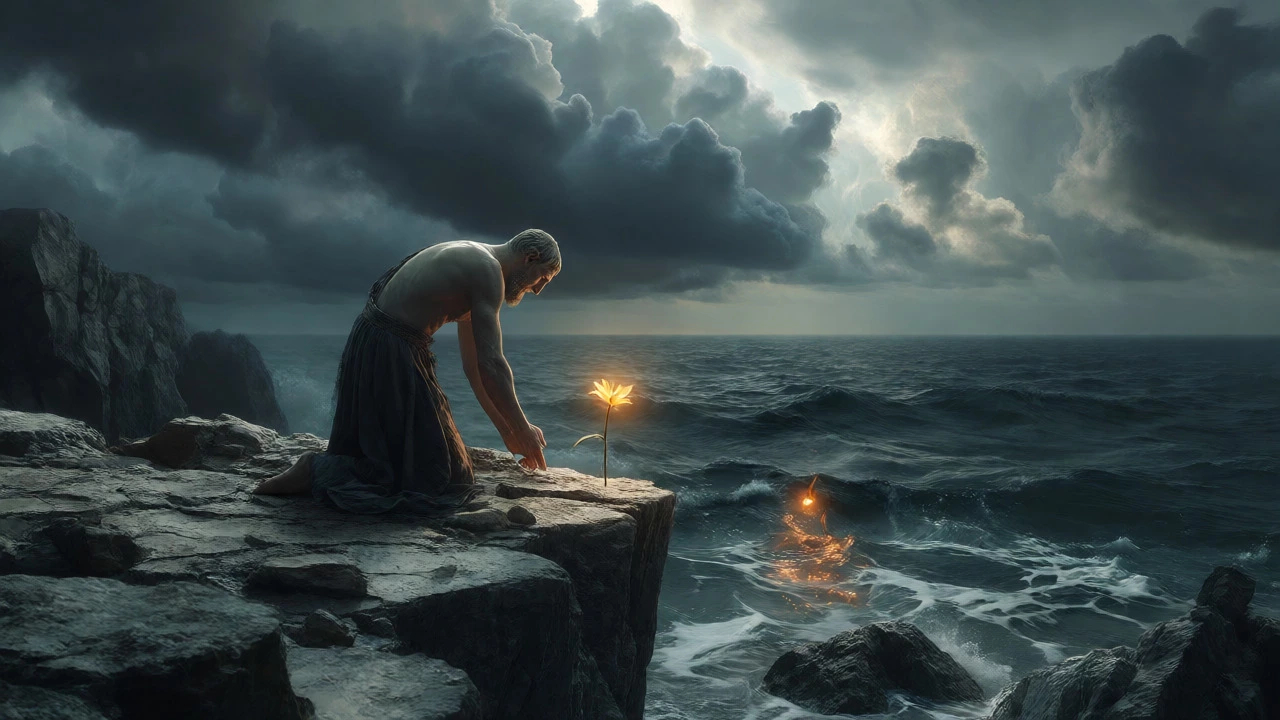
Utnapishtim tells him immortality is a gift from the gods, not something you can earn. Gilgamesh gets a second chance: stay awake for six days and seven nights. He falls asleep almost immediately. This scene is heartbreaking because it shows human limitation. We try to beat nature, but we fail. And yet, the attempt gives life meaning.
Another huge theme is friendship. The bond between Gilgamesh and Enkidu is intense. Some scholars argue it is romantic; others say it is purely platonic brotherhood. Either way, it drives the plot. Without Enkidu, Gilgamesh is just a bully. With him, he becomes a hero. When Enkidu dies, Gilgamesh’s grief transforms him. This emotional depth is rare in ancient texts, making the Epic feel surprisingly modern.
Then there is the flood story. Before we read Genesis, we read Gilgamesh. Utnapishtim builds a boat, saves animals, releases birds to find land, and offers sacrifices. The parallels are undeniable. This suggests that shared cultural memories traveled across the ancient Near East, influencing multiple religions and cultures.
How It Influenced Modern Adventure Stories
If you look closely at modern adventure narratives, you see Gilgamesh everywhere. Think about Star Wars. Luke Skywalker leaves home, finds a mentor (Obi-Wan/Yoda), faces loss, and returns changed. That is the Hero’s Journey, a concept popularized by Joseph Campbell, who explicitly cited Gilgamesh as an example.
Consider Lord of the Rings. Frodo carries a burden he didn’t choose. He loses companions along the way. He struggles with temptation (the Ring/Gilgamesh’s plant). He returns home unable to fully reintegrate. Tolkien knew his classics. The structure of the quest, the companion dynamics, and the melancholy ending all echo the Epic.
Even video games borrow from it. In many RPGs, you start as a naive youth, gain a powerful ally, suffer a tragic loss, and then pursue a goal that ultimately teaches you humility. The mechanics of gameplay mirror the narrative arc of Gilgamesh: action, consequence, reflection.
Frequently Asked Questions
Is the Epic of Gilgamesh older than the Bible?
Yes, significantly. The earliest Sumerian poems about Gilgamesh date to around 2100 BCE, while the Hebrew Bible was written much later, roughly between 1200 BCE and 165 CE. The flood narrative in Gilgamesh also predates the biblical account of Noah.
Was Gilgamesh a real person?
Likely yes. Historical records mention a King Gilgamesh of Uruk who ruled around 2700 BCE. Over centuries, his deeds were exaggerated and mythologized, turning a historical ruler into a legendary hero.
Why is it called an "epic"?
An epic is a long narrative poem about heroic deeds and events significant to a culture. The Epic of Gilgamesh fits this definition perfectly: it features a larger-than-life hero, supernatural elements, and a grand scope covering life, death, and the cosmos.
Can I read it easily today?
Absolutely. Many modern translations are available. Andrew George’s translation is considered the scholarly standard, while Stephen Mitchell’s version is more poetic and accessible for general readers. Both capture the emotional weight of the original.
Are there any older stories than Gilgamesh?
There are older individual myths and hymns, such as those found in the Pyramid Texts of Egypt or earlier Sumerian incantations. However, none constitute a full-length, coherent narrative story like the Epic of Gilgamesh. It remains the oldest surviving major literary work.
Next Steps for Curious Readers
If this sparked your interest, don’t just stop at the summary. Pick up a translation. Start with the Standard Babylonian version if you want completeness, or the Old Babylonian version if you prefer brevity. Notice how the language shifts between raw emotion and formal praise.
Then, compare it to another ancient classic: the Enuma Elish, the Babylonian creation myth. Or jump forward to Homer’s Odyssey and see how many tropes repeat. You’ll notice patterns in how humans process trauma, celebrate victory, and cope with mortality. These aren’t just old stories; they are mirrors reflecting our own lives, polished by four thousand years of human experience.