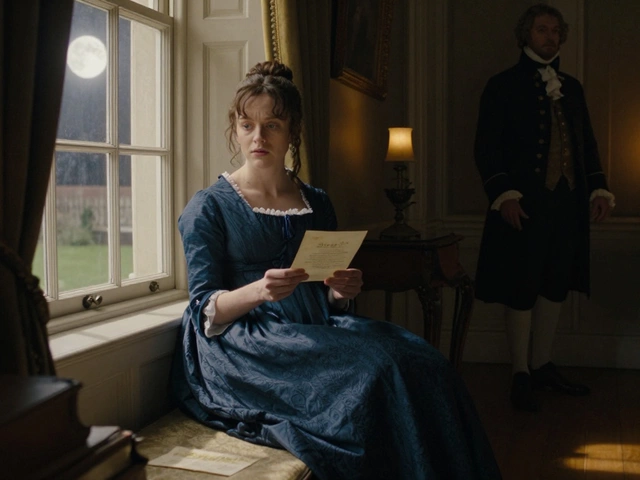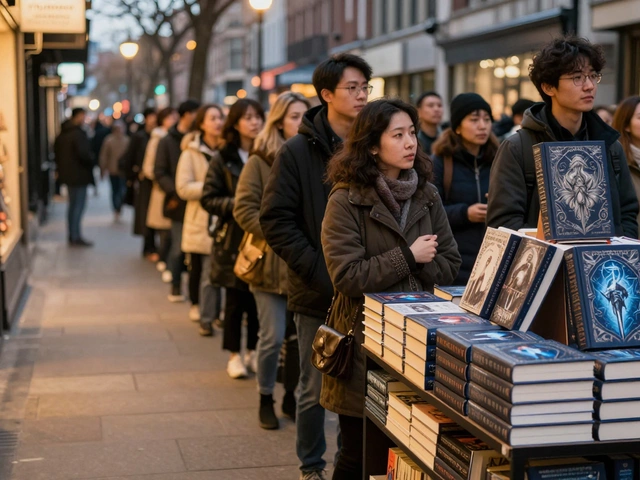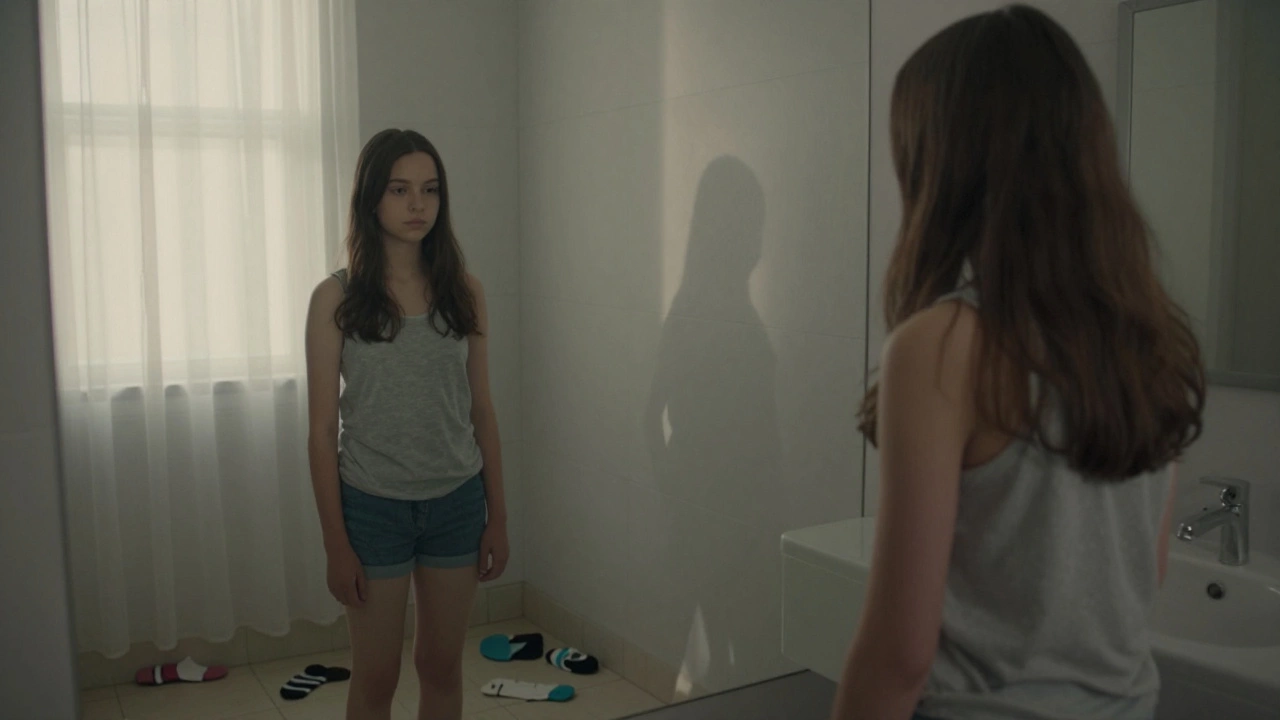
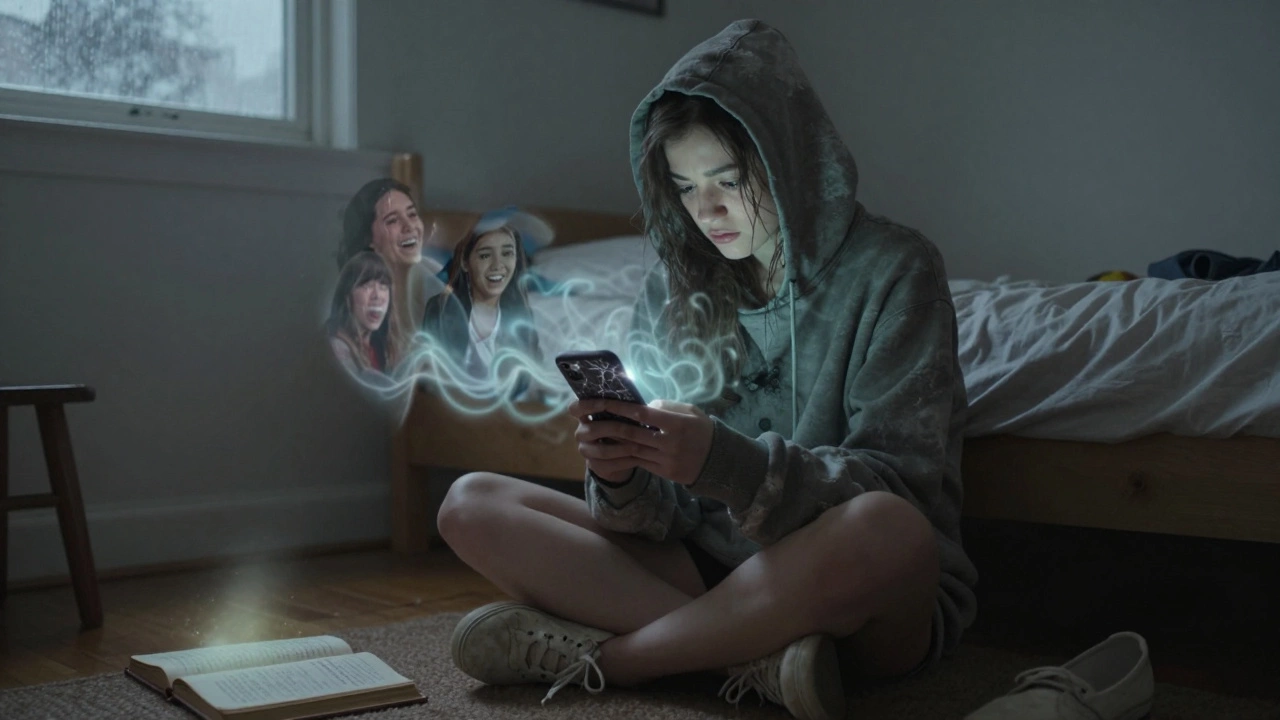
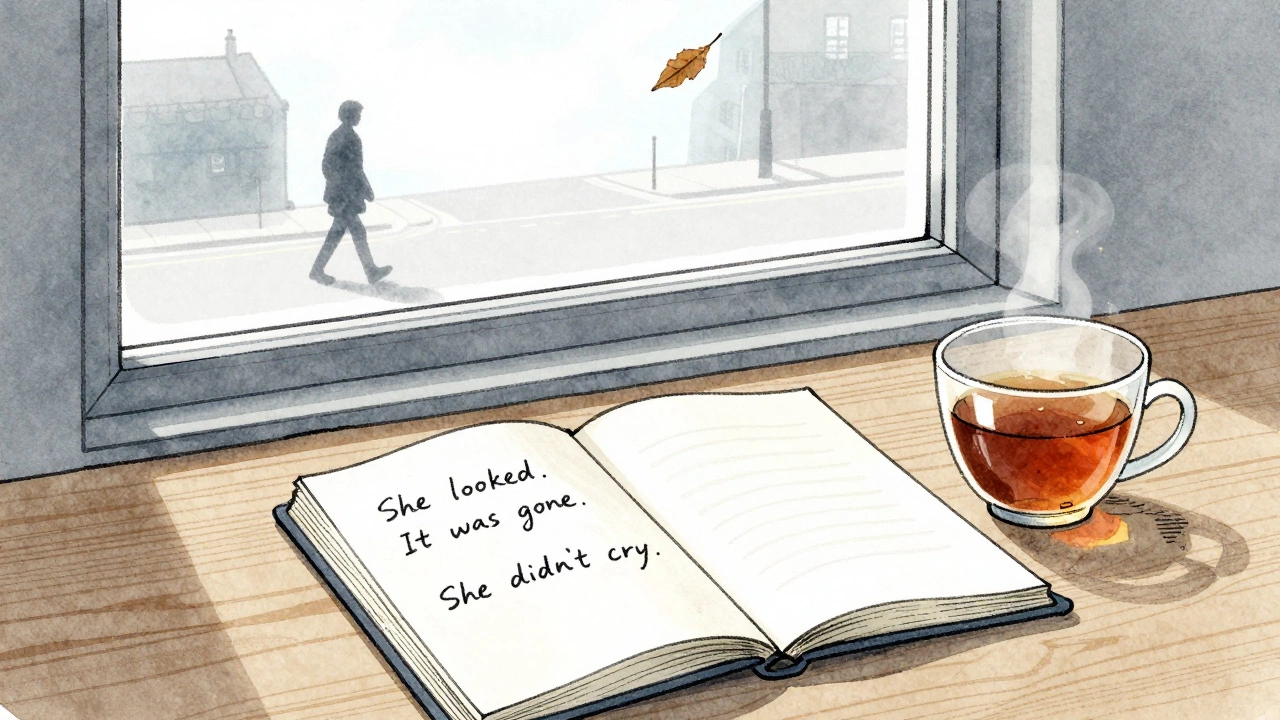
When people ask, What genre is Billie Myers? they’re usually trying to figure out where her books fit on a bookstore shelf-or whether they’ll like them based on what they’ve read before. The answer isn’t simple. Billie Myers doesn’t write in one neat box. Her work lives at the intersection of coming-of-age stories, emotional fantasy, and quiet magical realism-all wrapped in the voice of a young adult protagonist. Her most well-known book, Getting Over It, came out in 2023 and quickly became a cult favorite among teens and young adults who’ve ever felt like they were stuck-emotionally, socially, or even physically. The story follows a 17-year-old girl named Lila who wakes up one morning to find her shadow has disappeared. Not her reflection. Not her image in the mirror. Her actual shadow. The world around her keeps moving, but Lila can’t. She can’t walk without leaving a trail of silence. People forget her name. Her best friend stops recognizing her. And the only person who notices is a boy who claims he’s been waiting for her. At first glance, this sounds like fantasy. There’s magic here. But it’s not spells or dragons. It’s not about saving kingdoms or unlocking ancient powers. The magic is internal. The shadow isn’t a curse-it’s a metaphor for invisibility, for being ignored, for fading into the background when you need to be seen. That’s the core of Myers’ style: using surreal elements to make real feelings undeniable. Many readers label her as YA fantasy, and that’s not wrong. But calling her work fantasy alone misses the point. Her books are grounded in the emotional truth of adolescence. The anxiety of not fitting in. The loneliness of being misunderstood. The fear of being forgotten. These aren’t fantasy tropes. They’re universal teen experiences. Myers just gives them a physical shape. Compare her to other YA authors. John Green writes about grief and identity with sharp dialogue and quiet moments. Maggie Stiefvater builds worlds with mythic creatures and slow-burn romance. Myers? She builds emotional landscapes. Her characters don’t fight monsters-they fight silence. They don’t find enchanted swords-they find their own voice. Her second novel, Where the Light Gets In, released in late 2024, doubles down on this. It’s about a girl who can hear other people’s memories when she touches their belongings. A worn-out shoe. A cracked phone case. A library book with someone’s handwriting in the margins. Each object unlocks a moment from someone else’s life. The girl doesn’t use this ability to solve crimes or uncover secrets. She uses it to understand why people hurt each other. Why they stay quiet. Why they leave. This isn’t paranormal romance. It’s not urban fantasy. It’s not even traditional magical realism, though it borrows from that tradition. It’s something newer. Some critics have called it emotional speculative fiction. That’s a mouthful, but it’s accurate. Myers doesn’t ask, What if magic existed? She asks, What if how you feel could be seen? Her books are set in ordinary places: a small town in northern England, a high school with peeling paint, a bedroom with mismatched socks on the floor. There are no castles. No space ships. No secret societies. Just kids trying to figure out who they are while the world tells them to be quieter, smaller, less demanding. Why does this matter? Because genre labels shape what readers expect. If you pick up a book labeled “fantasy,” you’re looking for dragons, quests, or world-building. If you pick up “realistic fiction,” you expect school plays, breakups, and family dinners. Myers gives you both. The emotional realism is 100% real. The magical elements? They’re not there to entertain. They’re there to illuminate. If you’ve ever felt invisible, misunderstood, or like no one really saw you-you’ll understand Myers’ work before you finish the first chapter. That’s why her books are resonating so deeply with Gen Z readers. It’s not because they’re exciting. It’s because they’re honest. Her writing style is sparse, deliberate. Sentences are short. Paragraphs are quiet. There’s no over-explaining. The magic isn’t described in technical terms. It’s felt. One scene in Getting Over It shows Lila standing in front of a mirror, watching her shadow vanish. The whole moment takes three sentences. No dramatic music. No explosion of light. Just: She looked. It was gone. She didn’t cry. That’s her signature. Less is more. Emotion is shown, not told. Readers who love Myers often also enjoy authors like Tanya Lee Stone, Francesca Lia Block, or even early Neil Gaiman-but not because they’re similar in plot. They’re similar in tone. They all treat inner worlds as just as real as the outside one. So, what genre is Billie Myers? If you need a label for the bookstore, it’s Young Adult. But if you want to understand her, you need to drop the labels. She writes about the invisible parts of growing up. And sometimes, the only way to show something invisible is to make it magical. Her next book, due out in early 2027, is rumored to be about a girl who can feel other people’s regrets. No one knows the title yet. But if history holds, it won’t be about magic. It’ll be about what happens when you finally stop pretending you’re okay.
What readers say about Billie Myers’ style
Online reviews and reading communities consistently mention three things about her books:
- They feel like someone wrote them just for you
- The magic makes you feel less alone
- You finish reading and immediately want to talk to someone about it
Who should read Billie Myers?
If you’re someone who:
- Feels like no one understands your quiet struggles
- Appreciates stories where the magic is emotional, not explosive
- Gets tired of clichéd teen drama
- Wants books that linger after you close them
How her work compares to other YA authors
| Author | Primary Genre | Magical Element | Emotional Core | Ending Style |
|---|---|---|---|---|
| Billie Myers | Emotional Speculative Fiction | Metaphorical (shadow, memory, regret) | Invisibility, silence, being unseen | Open-ended, reflective |
| John Green | Realistic Fiction | None | Grief, identity, mortality | Bittersweet, ambiguous |
| Maggie Stiefvater | Fantasy | Mythical creatures, psychic bonds | Longing, connection, destiny | Hopeful, cyclical |
| Yoon Ha Lee | Sci-Fi Fantasy | Time manipulation, war machines | Control, rebellion, power | Clinical, strategic |
| Jenny Han | Romance | None | First love, insecurity, belonging | Resolute, romantic |
Common misconceptions about Billie Myers
There are a few things people assume about her work that aren’t true.
- Myth: She writes for younger teens. Truth: Her books are aimed at 16-22-year-olds. The emotional depth is too complex for early teens.
- Myth: It’s paranormal romance. Truth: Romance is never the focus. Relationships are secondary to self-discovery.
- Myth: The magic has rules. Truth: The magic follows emotion, not logic. If a character feels forgotten, their shadow vanishes. No spell required.
Where to start with Billie Myers
If you’re new to her work, begin with Getting Over It. It’s her debut, and it introduces all the themes she explores later. Read it slowly. Let the quiet moments sit with you. Don’t rush to explain the magic. Just feel it. After that, try Where the Light Gets In. Then wait for her next book. You won’t be disappointed.