Psychological Thriller Element Checker
Analyze Your Movie
Enter a movie title or description to see which disturbing psychological thriller elements apply. Includes examples like Shutter Island, Black Swan, and Memento.
Think about a movie that sticks with you long after the credits roll-not because of explosions or chase scenes, but because it made you question your own thoughts. That’s the power of a disturbing psychological thriller. These aren’t just scary stories. They’re mirrors held up to the fragile parts of the human mind, where reality bends, trust shatters, and the line between victim and villain disappears.
What Makes a Psychological Thriller Disturbing?
A regular thriller keeps you guessing: Who did it? Will they escape? A disturbing psychological thriller asks something deeper: Could I do that? Would I even notice if I was losing my mind?
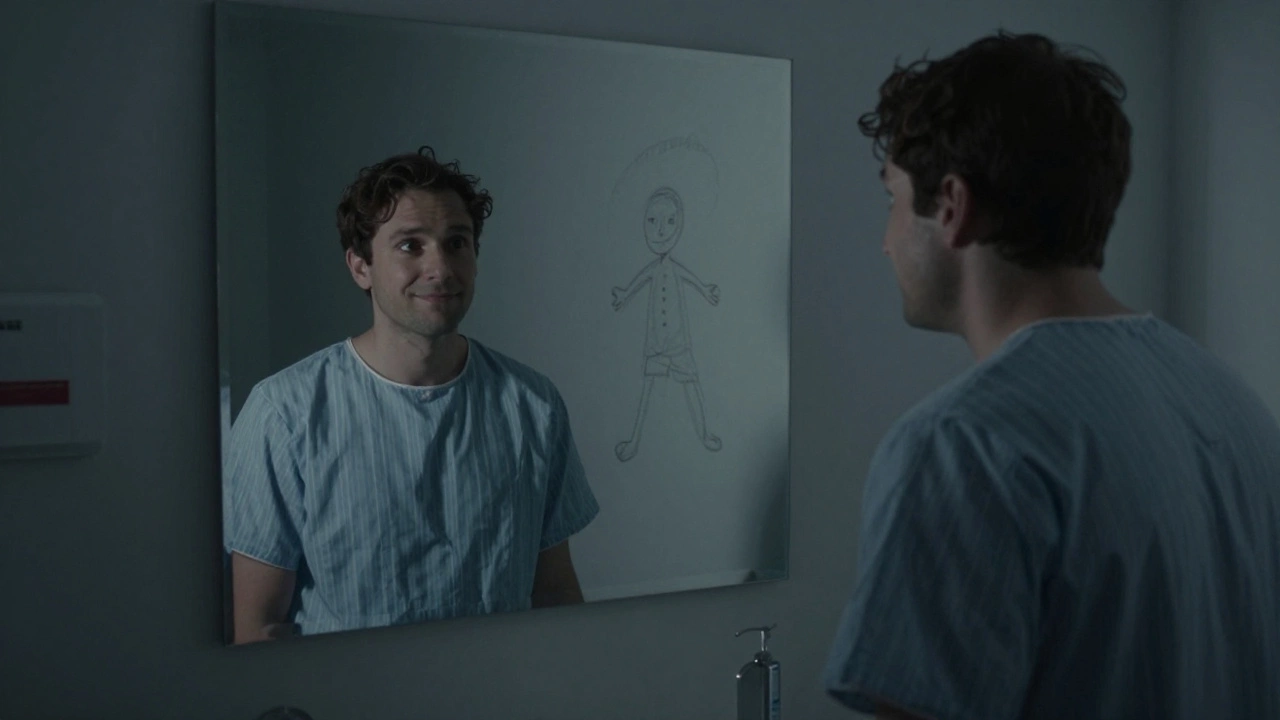
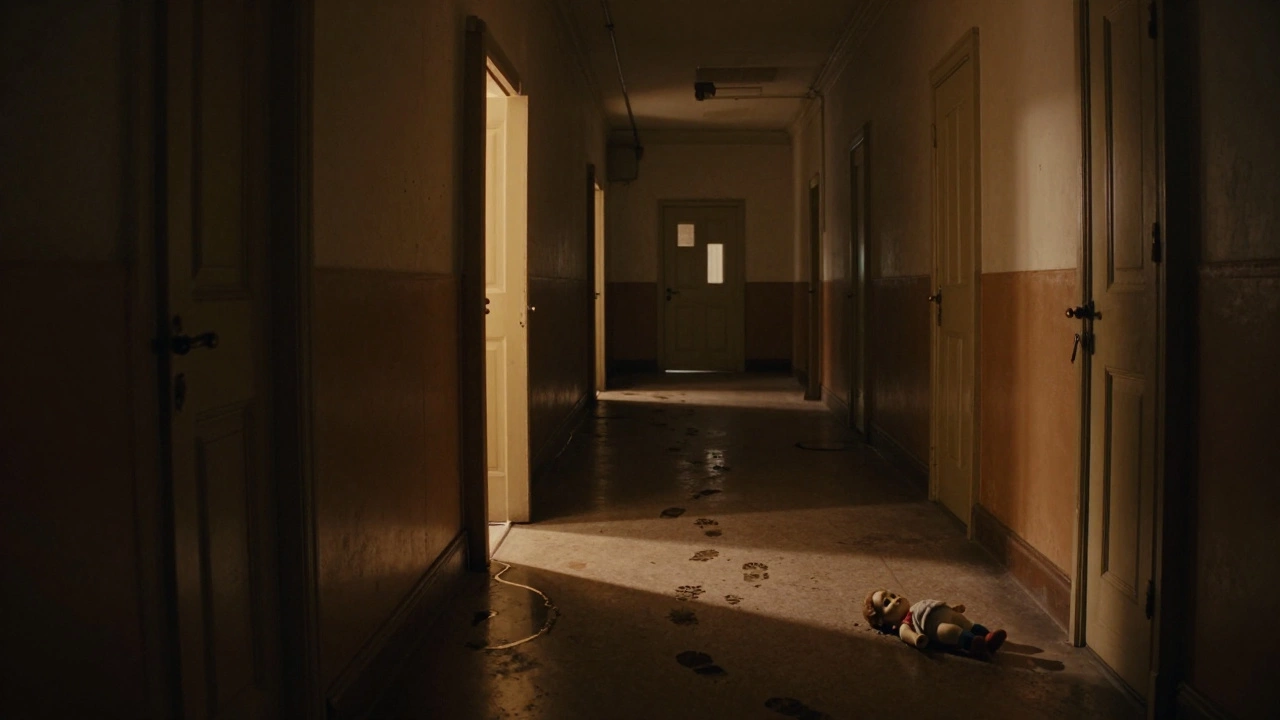
It doesn’t rely on jump scares or monsters. Instead, it uses silence, repetition, and subtle shifts in behavior. A character smiles too long. A child’s drawing changes overnight. A spouse remembers a conversation that never happened. These aren’t plot twists-they’re cracks in the foundation of what we think is real.
Take Shutter Island is a 2010 film directed by Martin Scorsese, based on Dennis Lehane’s novel, that explores a U.S. Marshal’s investigation into a psychiatric facility on a remote island, only to unravel his own fractured identity. Also known as Shutter Island (film), it was released in February 2010 and became a major box office success, praised for its atmospheric tension and ambiguous ending.. The whole movie feels like a puzzle, but the real horror isn’t the island. It’s the moment you realize the protagonist might be the monster all along-and you’ve been rooting for him.
The Psychology Behind the Fear
Disturbing thrillers tap into primal fears we don’t talk about much: losing control of your thoughts, being manipulated without knowing it, or realizing the people you love are lying to you-or worse, lying to themselves.
Studies from the Journal of Clinical Psychology is a peer-reviewed academic journal that publishes research on mental health disorders, therapeutic interventions, and psychological trauma, with a focus on clinical applications and empirical data. First published in 1953, it is one of the most cited journals in clinical psychology and is published by Wiley-Blackwell. show that people experience higher stress responses when confronted with ambiguous threats than clear ones. That’s why a character whispering, "You know what you did," is scarier than a masked killer with a knife. The unknown is in your head. And your head is the one place you’re supposed to trust.
These stories often borrow from real disorders: dissociative identity disorder, gaslighting, paranoid schizophrenia, or even false memory syndrome. But they don’t diagnose. They dramatize. They make you feel the confusion, the paranoia, the slow erosion of self.
Key Elements of a Disturbing Psychological Thriller
Not every twisty story counts. Here’s what separates the truly unsettling ones:
- Unreliable narration - The main character is lying to themselves, and you’re along for the ride. You don’t know if what you’re seeing is real, or if it’s a symptom.
- Emotional manipulation - The villain doesn’t need a weapon. They use guilt, love, or trauma as tools. Think of Black Swan is a 2010 psychological horror film directed by Darren Aronofsky, starring Natalie Portman as a ballet dancer descending into madness while preparing for the lead role in Swan Lake. Also known as Black Swan (film), it was released in December 2010 and received critical acclaim, earning Portman an Academy Award for Best Actress., where the pressure to be perfect becomes a war inside the mind.
- Slow unraveling - The breakdown isn’t sudden. It’s a whisper that grows louder. A missed meal. A locked door. A reflection that doesn’t move when you do.
- No clean resolution - Happy endings are rare. Sometimes, the truth is worse than the lie. Sometimes, there’s no truth at all.

Real-Life Parallels
These stories feel so disturbing because they’re rooted in real human experiences. The #MeToo movement revealed how often people are gaslit into doubting their own memories. Therapists have documented cases of patients who convinced themselves they committed crimes they never did. False confessions happen more than you think-often under psychological pressure.
One of the most chilling real cases is the Central Park Five is a case from 1989 in which five Black and Latino teenagers were wrongfully convicted of raping a white jogger in Central Park, New York City, based on coerced confessions and media hysteria. Also known as Central Park Five case, the convictions were vacated in 2002 after DNA evidence and a confession from the real perpetrator proved their innocence.. The teens confessed under intense interrogation, despite having no memory of the crime. Their minds were broken by pressure, fear, and manipulation. That’s not fiction. That’s what these thrillers are built on.
Why We Keep Watching
If these stories are so dark, why do we keep watching? Because they force us to confront what we bury. We like to believe we’re rational, in control, immune to manipulation. A disturbing psychological thriller says: Not true.
It’s a dark kind of therapy. By watching someone else unravel, we get to test our own boundaries. What would I do if my memories started changing? Would I trust my partner? My therapist? My own reflection?
These films don’t entertain. They interrogate. And that’s why they linger.
Notable Examples
- Black Swan is a 2010 psychological horror film directed by Darren Aronofsky, starring Natalie Portman as a ballet dancer descending into madness while preparing for the lead role in Swan Lake. Also known as Black Swan (film), it was released in December 2010 and received critical acclaim, earning Portman an Academy Award for Best Actress. - Obsession, identity, and the cost of perfection.
- The Sixth Sense is a 1999 supernatural thriller directed by M. Night Shyamalan, about a boy who can see dead people and the psychologist who tries to help him, with a shocking twist ending. Also known as The Sixth Sense (film), it was released in August 1999 and became one of the highest-grossing films of the year, known for its emotional depth and iconic twist. - Reality isn’t what you think it is.
- Get Out is a 2017 horror-thriller directed by Jordan Peele, in which a Black man uncovers a sinister plot while visiting his white girlfriend’s family. Also known as Get Out (film), it won the Academy Award for Best Original Screenplay and sparked national conversations about race and psychological control. - The horror isn’t in the supernatural. It’s in the polite smiles and the unspoken rules.
- Memento is a 2000 nonlinear thriller directed by Christopher Nolan, following a man with short-term memory loss who uses notes and tattoos to hunt for his wife’s killer. Also known as Memento (film), it was released in 2000 and became a cult classic for its reverse chronology and exploration of memory and identity. - If you can’t remember, can you trust who you are?
What to Look for When Choosing One
If you’re looking for a disturbing psychological thriller, avoid anything with a clear hero/villain split. The best ones make you complicit. Ask yourself:
- Does the story make you question your own memories?
- Is the villain someone you might have trusted?
- Does the ending leave you unsettled, not satisfied?
- Is the horror internal, not external?
If the answer is yes-you’re in the right territory.
What’s the difference between a psychological thriller and a horror movie?
Horror movies scare you with monsters, ghosts, or gore. Psychological thrillers scare you with what’s happening inside a person’s mind. You don’t need a chainsaw to be terrifying-sometimes, just a whisper and a lie is enough. The fear isn’t in the dark room. It’s in the realization that the person beside you might not be who they claim to be.
Are disturbing psychological thrillers based on true stories?
Some are. Films like Shutter Island is a 2010 film directed by Martin Scorsese, based on Dennis Lehane’s novel, that explores a U.S. Marshal’s investigation into a psychiatric facility on a remote island, only to unravel his own fractured identity. Also known as Shutter Island (film), it was released in February 2010 and became a major box office success, praised for its atmospheric tension and ambiguous ending. and Get Out is a 2017 horror-thriller directed by Jordan Peele, in which a Black man uncovers a sinister plot while visiting his white girlfriend’s family. Also known as Get Out (film), it was released in 2017 and won the Academy Award for Best Original Screenplay and sparked national conversations about race and psychological control. draw from real psychological phenomena-gaslighting, false memories, institutional abuse-but they’re fictionalized. The truth is often stranger than the fiction.
Why do these thrillers feel more personal than other genres?
Because they attack your sense of self. A zombie movie doesn’t make you doubt your memories. A psychological thriller does. It asks: What if your mind isn’t yours anymore? What if the person you love is manipulating you-and you’re too scared to admit it? That’s why they leave you checking locks, rereading texts, and staring at your reflection longer than usual.
Can a disturbing psychological thriller be uplifting?
Rarely. Their purpose isn’t to comfort. But some leave you with a strange kind of clarity. By seeing how easily the mind can be broken, you might start valuing your own thoughts more. You might question manipulation in your relationships. You might notice when someone’s too calm, too perfect. In that way, the darkness can make you more aware-more awake.
What’s the most disturbing psychological thriller ever made?
There’s no single answer-it depends on what scares you most. For some, it’s Black Swan is a 2010 psychological horror film directed by Darren Aronofsky, starring Natalie Portman as a ballet dancer descending into madness while preparing for the lead role in Swan Lake. Also known as Black Swan (film), it was released in December 2010 and received critical acclaim, earning Portman an Academy Award for Best Actress. because of its body horror and obsession. For others, it’s Memento is a 2000 nonlinear thriller directed by Christopher Nolan, following a man with short-term memory loss who uses notes and tattoos to hunt for his wife’s killer. Also known as Memento (film), it was released in 2000 and became a cult classic for its reverse chronology and exploration of memory and identity. because it makes you feel the terror of forgetting who you are. The most disturbing ones don’t show you monsters. They show you the monster you might become if you stop trusting yourself.
Final Thought
A disturbing psychological thriller doesn’t end when the screen goes black. It lingers in your quiet moments. In the way you glance at your reflection. In the way you pause before trusting someone’s story. It doesn’t give you answers. It gives you questions-and that’s what makes it unforgettable.