Adventure Short Story Diagnostic Quiz
Can you distinguish a true adventure short story from a thriller or literary fiction? Test your knowledge with this interactive diagnostic tool based on the article's core principles.
Loading question...
You’ve probably read a novel where the hero spends three hundred pages crossing a desert. Now imagine that same journey compressed into ten pages. No time for slow introspection. No room for subplots about the hero’s childhood pet. Just you, the protagonist, and the immediate threat of falling off a cliff. That is the essence of an adventure short story. It is a piece of short fiction focused on external action, physical risk, and rapid plot progression rather than deep internal character development or complex thematic exploration.
Why does this specific format matter? Because it teaches writers how to strip a narrative down to its bones. If you can make a reader feel the adrenaline of a chase scene in under 5,000 words, you have mastered pacing. For readers, these stories offer a quick dopamine hit without the commitment of a full-length book. But defining them isn’t just about word count. It’s about intent. Are you writing a mystery with some running around? Or are you writing an adventure? The difference lies in what drives the plot.
The Core Anatomy of Adventure Fiction
To understand what makes a story an adventure, you need to look at its engine. In most literature, the conflict is internal. A character struggles with grief, identity, or moral ambiguity. In an adventure short story, the conflict is almost always external. The antagonist isn’t a feeling; it’s a storm, a monster, a rival explorer, or a ticking clock. The stakes are physical: survival, treasure, escape, or discovery.
This external focus changes how you write every sentence. You don’t spend paragraphs describing the color of the sky unless that sky is turning green because an alien invasion has started. Every detail must serve the momentum. If a description slows the pace, cut it. This creates a distinct rhythm-short sentences, active verbs, and clear cause-and-effect logic. You go here, so this happens. Then you do this, so that happens. There is no meandering.
Consider the role of the setting. In literary fiction, a house might symbolize family trauma. In an adventure story, that same house is a maze with a locked door and a floorboard that creaks when someone sneaks up behind you. The environment is an obstacle course. It provides the friction necessary to test the protagonist’s competence and courage.
Distinguishing Adventure from Related Genres
People often confuse adventure with thriller, fantasy, or mystery. They share DNA, but their purposes differ. A thriller prioritizes suspense and psychological tension. The goal is to keep the reader guessing who did it or if they will survive. An adventure prioritizes excitement and the thrill of the unknown. The goal is to see how the hero overcomes the challenge.
Here is where it gets tricky: many stories blend these. Indiana Jones is both adventure and thriller. He solves puzzles (mystery), avoids traps (thriller), and explores lost temples (adventure). But in a pure adventure short story, the puzzle-solving isn’t the point; the danger of the trap springing shut is. The mystery isn’t "who killed him?" but "how will he get out of this cave alive?"
| Feature | Adventure | Thriller | Literary Fiction |
|---|---|---|---|
| Primary Conflict | Man vs. Nature/Society/Monster | Man vs. Hidden Threat/Psychological | Man vs. Self/Society |
| Pacing | Rapid, relentless | Tense, building dread | Variable, reflective |
| Protagonist Goal | Achieve a tangible objective | Solve a problem/survive | Understand/Grow/Accept |
| Ending Focus | Success/Failure of mission | Revelation/Resolution | Emotional realization |
Notice the ending column. In an adventure, you want to know if they got the gold. In a thriller, you want to know if they caught the killer. In literary fiction, you want to know how the experience changed them. While good adventure stories do change characters, the change is secondary to the outcome of the action.
Structuring the Arc in Limited Space
Writing an adventure in a short format requires a tight structural discipline. You don’t have space for a slow build-up. The classic three-act structure compresses significantly. Here is a practical framework for a 3,000-word adventure story:
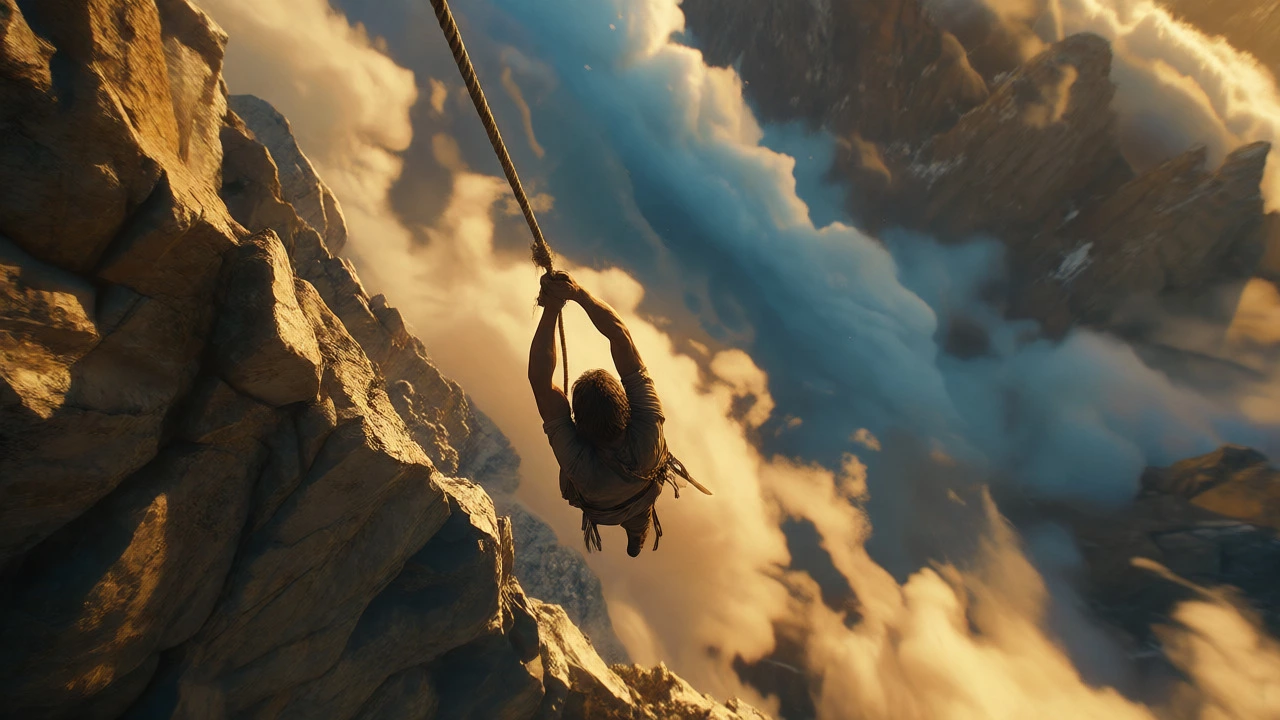
- The Hook (10%): Start in media res (in the middle of things). Don’t explain why the hero is there. Show them hanging from a rope. The reader catches up quickly.
- The Complication (40%): The initial plan fails. New obstacles appear. The stakes rise. Maybe the map was wrong. Maybe the guide betrays them. This section should feel like a series of escalating problems.
- The Climax (30%): The final confrontation. This is the peak of physical or mental exertion. It must be decisive. The hero uses a skill established earlier to overcome the final hurdle.
- The Resolution (20%): Quick wrap-up. Did they survive? Did they get the prize? Leave the reader with a sense of closure regarding the immediate quest, even if the world remains vast and unknown.
The key here is causality. Each event must trigger the next. If the hero falls into a river, it’s not random bad luck; it’s because they slipped on wet moss while chasing the villain. This chain reaction keeps the narrative moving forward without needing exposition dumps.
Characterization Through Action
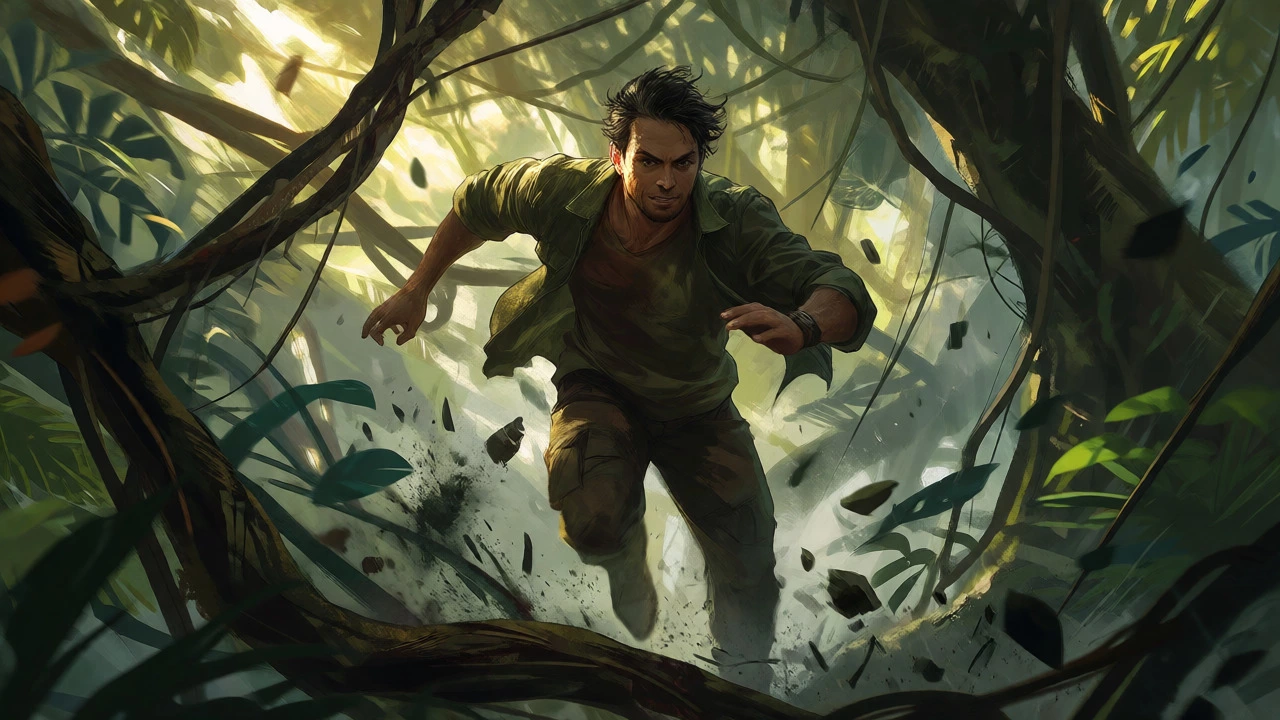
In a novel, you can spend chapters exploring a character’s backstory. In a short adventure, you don’t have that luxury. You must define your protagonist through what they do, not what they think. If your hero is brave, show them jumping across a widening gap. If they are clever, show them using a shoelace to pick a lock. If they are reckless, show them ignoring the warning signs.
This approach creates a more visceral connection with the reader. We trust actions more than descriptions. A narrator saying "John was resourceful" is weak. John tying a tourniquet with his belt while bleeding out is strong. This technique is known as "show, don't tell," but in adventure fiction, it’s mandatory. There is simply no room for telling.
Supporting characters serve similar functions. The sidekick isn’t there for deep dialogue; they are there to provide tools, information, or comic relief during tense moments. The antagonist doesn’t need a tragic backstory; they need to be a formidable obstacle. Keep the cast small. Two or three characters max. Any more, and you lose clarity.
Common Pitfalls to Avoid
Many aspiring writers stumble when trying to fit epic adventures into short formats. The biggest mistake is plot bloat. You try to include too many locations or twists. Remember, a short story is about one incident. One journey. One major conflict. If you find yourself explaining the political history of the kingdom, cut it. Does the politics affect whether the bridge collapses? If not, cut it.
Another trap is lack of stakes. If nothing bad happens if the hero fails, it’s not an adventure; it’s a travelogue. The consequence of failure must be severe. Death, imprisonment, loss of something precious, or eternal shame. The reader needs to feel the weight of that potential failure.
Finally, avoid deus ex machina endings. The hero cannot be saved by a sudden army arriving from nowhere unless you set it up early. In a short story, every element introduced must pay off. If you mention a flare gun in paragraph two, use it in the climax. Chekhov’s Gun applies double in high-stakes fiction.
Examples of Classic Adventure Short Stories
Looking at masters of the form helps clarify the definition. Ernest Hemingway’s The Old Man and the Sea (often published as a novella but structured like a long short story) is pure adventure. It’s man vs. nature. Simple plot, intense struggle, minimal backstory. Jack London’s To Build a Fire is another prime example. A man tries to cross the Yukon in extreme cold. The antagonist is temperature. The conflict is survival. There is no dialogue, no other characters, just the man and the elements. Yet it is gripping.
More modern examples include Ray Bradbury’s The Veldt, which blends sci-fi with adventure/horror, focusing on the immediate threat of the nursery technology. These stories prove that you don’t need dragons and wizards to have an adventure. You need a compelling struggle against forces beyond the protagonist’s control.
Why Write or Read Adventure Shorts?
For writers, mastering the adventure short story sharpens your editing skills. You learn to value efficiency. Every word must earn its place. For readers, these stories are perfect for commutes, breaks, or bedtime. They provide a complete emotional arc in a single sitting. You finish them feeling satisfied, energized, and ready for the next one.
So, is your next project an adventure short story? Ask yourself: Is the conflict external? Is the pacing fast? Do the stakes involve physical survival or tangible gain? If yes, you’re on the right track. Strip away the excess, focus on the action, and let the characters speak through their deeds.
How many words is a typical adventure short story?
Most adventure short stories range between 1,000 and 7,500 words. Flash fiction versions can be under 1,000 words, while longer pieces approaching 10,000 words are often classified as novelettes. The ideal length allows enough space for setup, rising action, and climax without dragging.
Can an adventure short story have a happy ending?
Yes, absolutely. Adventure stories frequently end with success-the treasure is found, the monster is slain, or the escape is made. However, bittersweet endings are also common, where the hero survives but loses something along the way. The key is resolution of the central conflict.
Do I need magic or sci-fi elements for an adventure story?
No. Adventure is defined by the nature of the conflict (external, physical, high-stakes), not the genre setting. Historical adventures, contemporary survival stories, and realistic mysteries can all function as adventure narratives if they prioritize action and overcoming obstacles.
What is the best way to start an adventure short story?
Start in the middle of the action (in media res). Drop the reader directly into a moment of crisis or movement. Avoid lengthy introductions or backstory dumps. Let the context reveal itself naturally through the character's immediate reactions to the situation.
Is dialogue important in adventure short stories?
Dialogue should be sparse and functional. Use it to convey critical information, show character relationships, or heighten tension. Long conversations slow down the pace. In many successful adventure shorts, dialogue is minimal, with action driving the narrative forward instead.