Literary Fiction Terms Quiz
Test Your Understanding
Answer these questions to see if you really understand the differences between literary fiction terms.
1. What does "high fiction" refer to?
2. What is a key characteristic of serious fiction?
3. What does "art fiction" emphasize?
4. Which of these is NOT a characteristic of literary fiction?
5. What is a common misconception about literary fiction?
When people talk about literary fiction, they’re not just describing a genre-they’re pointing to a whole way of writing. It’s the kind of book that sticks with you long after you turn the last page. But if you’ve ever heard someone call it something else-like high fiction or serious fiction-you might wonder: are these just fancy synonyms, or is there a real difference?
High Fiction: The Term Used by Critics and Academics
One of the most common alternative names for literary fiction is high fiction. This label doesn’t mean the story takes place in the clouds or involves flying castles. Instead, it’s a contrast to popular fiction or genre fiction. Think of it like this: if genre fiction is a well-oiled machine designed to deliver a specific thrill-mystery solved, love won, monster defeated-then high fiction is the quiet workshop where the machine’s gears are examined, bent, and sometimes broken on purpose.
High fiction prioritizes character depth over plot momentum. It’s less concerned with whether the protagonist finds the killer and more interested in why they’ve spent twenty years running from their own guilt. Authors like Toni Morrison, Kazuo Ishiguro, and Marilynne Robinson write high fiction. Their books don’t always have fast pacing, but they leave behind a weight, a texture, a kind of emotional echo.
Serious Fiction: When the Book Demands Your Attention
Another name you’ll hear is serious fiction. It sounds almost like a warning: This isn’t beach reading. And in a way, it’s true. Serious fiction asks you to slow down. To reread sentences. To sit with ambiguity. It doesn’t hand you answers-it hands you questions that linger for years.
Compare this to a thriller that ends with a clear moral victory, or a romance that wraps up with a kiss on the train platform. Serious fiction might end with silence. A character staring out a window. A letter never sent. A relationship left hanging. That’s not a flaw. It’s the point.
Books like The Remains of the Day by Kazuo Ishiguro or Beloved by Toni Morrison are serious fiction. They don’t entertain to distract. They entertain to reveal.
Art Fiction: The Focus on Craft and Language
Then there’s art fiction. This term is less common in casual conversation but pops up in writing workshops and university syllabi. Art fiction treats the novel as a piece of writing that should be admired like a painting or a symphony. The language isn’t just a vehicle-it’s the medium.
Here, sentences are sculpted. Punctuation is used for rhythm. Metaphors aren’t decorative; they’re structural. Writers like Virginia Woolf, James Joyce, and more recently, Ocean Vuong, fall into this category. Their work isn’t about what happens next-it’s about how it’s said.
Art fiction doesn’t care if it’s easy to read. It cares if it’s true. If it’s precise. If it changes the way you see words.
Why Do These Names Exist? The Divide Between Mass and Mind
These terms didn’t appear out of nowhere. They emerged because the publishing world split into two tracks decades ago. On one side: books designed to sell millions. Fast plots. Clear stakes. Relatable heroes. On the other: books designed to stretch the mind. Ambiguous endings. Unlikable characters. Dense prose.
Genre fiction-romance, fantasy, mystery, thriller-has rules. Readers expect them. They’re comforting. Literary fiction? It breaks the rules on purpose. That’s why it needs different names. It’s not a genre. It’s a philosophy.
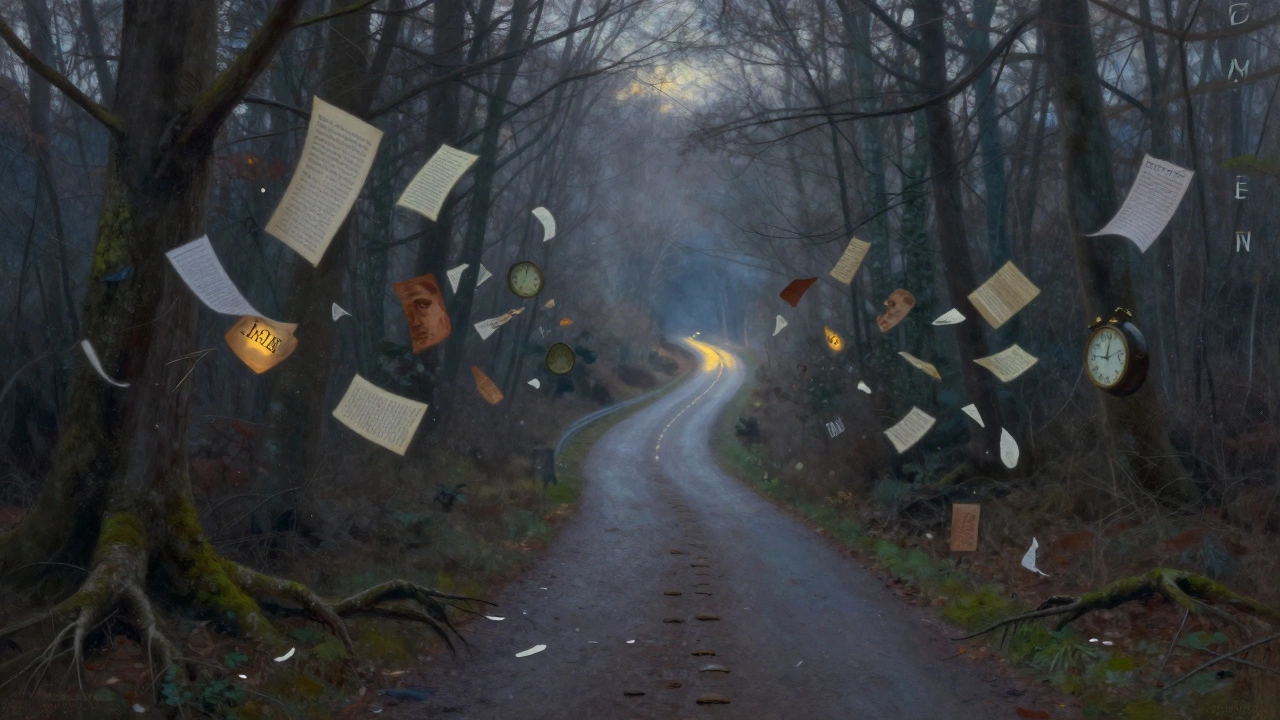
Think of it like this: if genre fiction is a highway, literary fiction is a winding forest trail. One gets you to your destination quickly. The other changes the way you walk.
What Literary Fiction Is Not
It’s easy to misunderstand literary fiction. It’s not just any book with fancy words. It’s not a book that’s hard to read just to seem important. It’s not a book that’s boring on purpose.
Some people think literary fiction means “no action.” But that’s not true. The Road by Cormac McCarthy is literary fiction-and it’s full of tension, danger, and survival. The difference? The danger isn’t the point. The bond between father and son is.
It’s also not the same as “literature.” Literature is the entire body of written work over time. Literary fiction is a current form within that body. One is the ocean. The other is a wave.
How to Spot Literary Fiction in the Wild
If you’re trying to find more books like this, here’s what to look for:
- Character development matters more than plot twists
- The ending doesn’t tie everything up neatly
- Language is carefully chosen, not just functional
- Themes are complex: guilt, identity, loss, memory, isolation
- The book won awards like the Booker Prize, Pulitzer, or National Book Award
- It’s often published by presses like Graywolf, FSG, or Penguin Classics-not mass-market imprints
Check the back cover. If it says “a moving exploration of…” or “a profound meditation on…,” you’re likely looking at literary fiction. If it says “a heart-pounding thriller” or “the perfect romantic escape,” you’re not.
Why the Name Matters
Calling it literary fiction, high fiction, or art fiction isn’t just semantics. It shapes how you read. If you go into a book thinking it’s a mystery, you’ll look for clues. If you think it’s literary fiction, you’ll look for meaning.
That shift changes everything. You stop asking, “What happens next?” and start asking, “Why does this hurt so much?”
These names are tools. They help you find the books that don’t just pass the time-they change how you think about time, memory, love, and loss. They’re not about being better than genre fiction. They’re about being different. And that difference is worth knowing.
Is literary fiction the same as classic literature?
No. Classic literature refers to works that have stood the test of time-books written decades or centuries ago that are now considered essential reading. Literary fiction includes both older classics and new books being written today. A novel by Zadie Smith is literary fiction, but it’s not a classic yet. A novel by Jane Austen is both.
Can a book be both literary fiction and genre fiction?
Yes, but it’s rare. Some books blur the lines-like The Handmaid’s Tale by Margaret Atwood. It’s a dystopian thriller (genre) but also explores power, gender, and language with deep psychological insight (literary). These hybrid books often get labeled as “literary genre fiction” or “speculative literary fiction.”
Why do some people look down on genre fiction?
It’s not about the books-it’s about old biases. Some critics once saw genre fiction as “commercial” or “lowbrow,” while literary fiction was seen as “serious” or “artistic.” That divide is fading. Many readers now enjoy both. The real issue isn’t genre-it’s whether the writing is thoughtful and honest, no matter the category.
Are literary fiction books always boring?
No. Many literary fiction books are gripping, emotional, and even suspenseful. The difference is that the tension comes from internal struggles-not car chases or bomb defusals. My Brilliant Friend by Elena Ferrante has no gunshots, but you’ll stay up all night wondering what happens next between two women whose friendship is both lifeline and cage.
What’s the best way to start reading literary fiction?
Start with books that are emotionally powerful but accessible. Try A Little Life by Hanya Yanagihara, The Goldfinch by Donna Tartt, or Pachinko by Min Jin Lee. These books have strong narratives, deep characters, and aren’t overly experimental with language. Once you’re comfortable, move to more stylistically complex works like Cloud Atlas or House of Leaves.