Global Reading Impact Calculator
Select a Book
Consumption Mode
*Adjusts calculation based on daily recitation vs single completion.
Title
Winner CategoryStop for a second and think about the last thing you read. Was it a novel? A news article on your phone? Maybe an instruction manual for that new gadget? Now, zoom out. Imagine every person on Earth doing the exact same thing right now. What are they looking at?
The answer might surprise you. It isn't the latest bestseller by a famous author. It isn't a trending blog post or a viral tweet thread. If we define "read" as consuming text from a physical or digital source with deep engagement, the most read thing in the world is undoubtedly the Bible.
But hold on. That’s the easy answer if we look at history. If we look at *today*-July 2026-the landscape is shifting fast. Digital consumption has exploded. Short-form content dominates attention spans. So, what actually holds the crown? Let's break down the data, the definitions, and the surprising reality of what humans are actually reading.
The Heavyweight Champion: Religious Texts
When people ask this question, they usually mean books. And when we talk about books that have been read by the most human beings across time and space, religious texts dominate the list. This isn't just about current sales; it's about cumulative readership over centuries.
The Bible is the foundational text of Christianity, comprising the Old and New Testaments. Estimates vary wildly because tracking individual readers since the invention of the printing press is impossible. However, scholars generally agree that between 5 billion and 7 billion copies have been sold or distributed since its inception. With a global Christian population exceeding 2.4 billion, it remains the single most widely circulated book in history.
Right behind it is The Quran, the holy book of Islam. With over 1.9 billion Muslims worldwide, the Quran sees massive daily readership. Unlike secular books, these texts are not just read once; they are recited, memorized, and studied repeatedly throughout a believer's life. This frequency inflates the "readership" numbers significantly compared to a novel you pick up, finish, and shelve.
Then there's the Book of Mormon, which claims to be the second best-selling book in history after the Bible. While its reach is smaller globally compared to the Bible or Quran, its distribution within specific demographics is incredibly high.
If your definition of "most read" includes frequency and repetition, religious texts win hands down. But what if we strip away religion? What is the most read *secular* thing?
The Secular Giants: Fiction and Non-Fiction
Move away from sacred texts, and the competition gets tighter. Here, we have to distinguish between "copies sold" and "people who have read it." Sales can be inflated by libraries, schools, and bulk purchases. Readership is harder to fake.
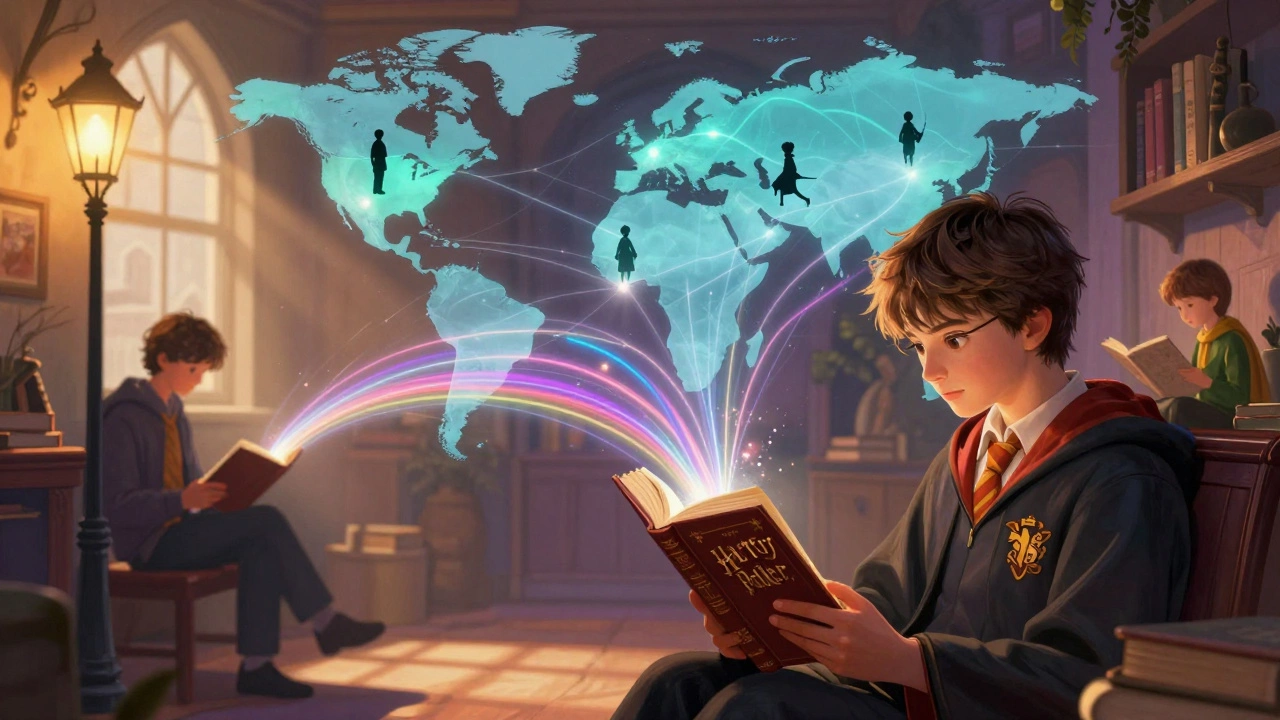
Harry Potter and the Sorcerer's Stone (or Philosopher's Stone) is often cited as the best-selling book series in history. J.K. Rowling's seven-book saga has sold over 600 million copies worldwide. But how many distinct individuals have read it? Likely hundreds of millions. It’s a cultural phenomenon that transcends language barriers, translated into 80+ languages.
Another contender is Don Quixote by Miguel de Cervantes. Often called the first modern novel, estimates suggest it has sold between 500 million and one billion copies since its publication in 1605. However, much of this was driven by school curricula in Spanish-speaking countries. Did everyone assigned to read it actually finish it? Probably not. But it certainly had more eyes on it than almost any other work of fiction.
In non-fiction, The Little Prince by Antoine de Saint-Exupéry stands out. Sold in over 300 million copies, it bridges the gap between children's literature and philosophical adult reading. Its short length makes it highly readable, meaning a higher percentage of buyers likely finished it.
| Title | Type | Est. Copies Sold/Distributed | Primary Driver |
|---|---|---|---|
| Bible | Religious | 5-7 Billion | Faith, Distribution |
| Quran | Religious | Unknown (High Frequency) | Faith, Daily Recitation |
| Don Quixote | Fiction | 500 Million - 1 Billion | School Curricula |
| Harry Potter Series | Fiction | 600 Million+ | Cultural Phenomenon |
| The Little Prince | Literary | 300 Million+ | Universal Appeal |
The Digital Shift: What Are We Reading in 2026?
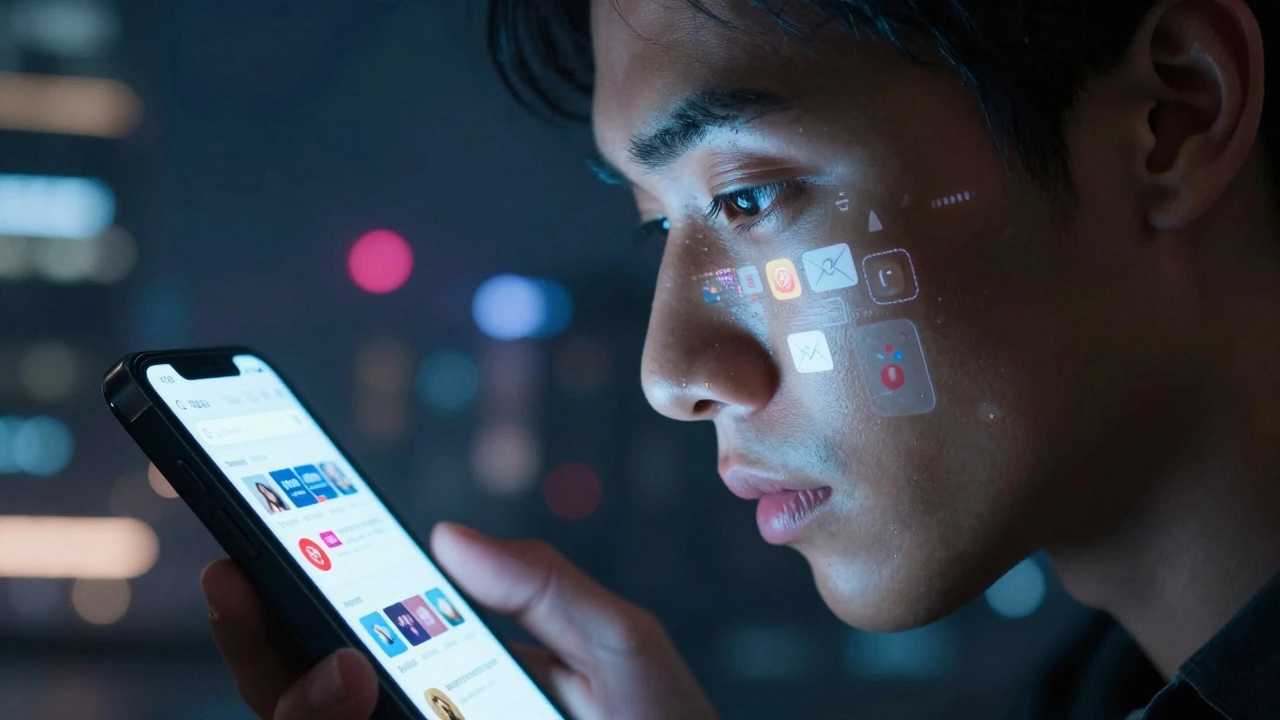
Here is where the traditional answer falls apart. In 2026, the average person spends nearly 7 hours a day on their smartphone. We are not just reading books. We are reading screens.
If we redefine "thing" to include digital content, the most read thing in the world might not be a book at all. It could be:
- Social Media Feeds: Instagram captions, TikTok descriptions, and Twitter/X threads. These are bite-sized, consumed in seconds, but the volume is astronomical. Billions of posts are read daily.
- Emails: The average office worker receives 120+ emails a day. Globally, email traffic exceeds 350 billion messages daily. Much of this is skimmed, but it is still reading.
- Search Engine Results: Google processes over 8.5 billion searches per day. Users click links and read snippets. This is arguably the most common form of informational reading today.
This shift changes the game. A novel like Harry Potter takes 8-10 hours to read. An Instagram caption takes 5 seconds. If you multiply 5 seconds by billions of users, the total "reading time" spent on social media dwarfs that of any single book.
However, there is a difference between *scanning* and *reading*. Deep reading requires focus, comprehension, and retention. Social media encourages skimming. Books encourage immersion. So, which metric matters more? Quantity of words processed, or depth of engagement?
Why Definitions Matter
To get a clear answer, we need to agree on what "most read" means. There are three main ways to interpret this:
- Highest Circulation: How many copies exist? (Winner: The Bible)
- Highest Unique Readers: How many different people have opened it? (Winner: Likely the Bible or Don Quixote due to school mandates)
- Highest Total Consumption Time: How many hours have humans spent reading it? (Winner: Possibly Social Media collectively, or the Quran due to daily repetition)
Most casual conversations assume #1 or #2. In those cases, religious texts remain untouchable. Their distribution networks are older and more extensive than any publishing house. They are translated into thousands of languages, including indigenous dialects with small populations. No secular book achieves this level of linguistic penetration.
For example, the Bible has been fully translated into over 700 languages and partially into more than 1,500. Compare that to Harry Potter, which is available in 80+ languages. The gap is massive.
The Role of Education Systems
We cannot ignore the power of mandatory education. In many countries, certain books are required reading. This forces millions of reluctant readers to engage with texts they might otherwise skip.
In the United States, Shakespeare’s works are staples. In Spain, Don Quixote is mandatory. In China, classical texts and modern political writings are heavily promoted. This state-driven distribution ensures a baseline of readership that commercial success alone cannot match.
However, forced reading doesn't always equal genuine interest. Many students finish these books just to pass the exam. Does that count? Statistically, yes. Culturally, maybe not. This ambiguity makes precise ranking difficult.
Emerging Trends: Audiobooks and E-Books
By 2026, audiobooks are no longer a niche market. They account for nearly 30% of the audio publishing revenue. But does listening count as reading? Purists say no. Pragmatists say yes-it’s the consumption of written narrative.
If we include audiobooks, the most "consumed" stories might shift toward popular franchises like Star Wars or Dune, which have massive multimedia followings. People listen to them while commuting, working out, or cooking. The barrier to entry is lower than picking up a heavy hardcover.
E-books also play a role. Platforms like Kindle Unlimited allow users to read unlimited titles for a monthly fee. This model encourages rapid turnover. Users might start ten books a month but only finish two. This "churn" affects how we measure completion rates.
Conclusion: It Depends on Your Lens
So, what is the most read thing in the world?
If you mean a single, bound object with historical weight, it’s the Bible. Its reach is unparalleled, spanning continents and millennia.
If you mean a secular work of fiction, it’s likely Don Quixote or the Harry Potter series, depending on whether you value historical accumulation or modern cultural impact.
If you mean what humans are interacting with *right now*, it’s probably your phone screen-scrolling through news, social media, or emails. The format has changed, but the act of decoding symbols remains central to our lives.
Understanding this helps us see how information spreads. Whether it’s a sacred text passed down for generations or a viral meme read in seconds, the desire to consume stories and facts is universal. The medium changes, but the hunger for content stays the same.
Is the Bible really the most read book in the world?
Yes, based on estimated circulation and distribution figures. With 5 to 7 billion copies sold or distributed since the printing press, it far outpaces any other single title. Its presence in households, churches, and schools globally ensures continuous readership.
What is the best-selling book of all time excluding religious texts?
Estimates vary, but Don Quixote by Miguel de Cervantes is often cited as the best-selling fiction book, with estimates ranging from 500 million to 1 billion copies. Modern contenders include the Harry Potter series and A Tale of Two Cities by Charles Dickens.
Do audiobooks count as reading?
This is debated. Strictly speaking, reading involves visual processing of text. However, audiobooks convey the same narrative and information. In terms of knowledge acquisition and story consumption, they are functionally equivalent for most purposes.
Why is it hard to track the most read book?
Tracking is difficult due to lack of centralized data, especially for older books. Libraries lend books multiple times without recording each reader. Piracy, informal sharing, and oral traditions also make accurate counting nearly impossible for historical texts.
How has digital media changed reading habits in 2026?
Digital media has shifted reading from long-form, linear consumption to fragmented, multi-tasking engagement. People read shorter articles, social media posts, and emails more frequently. Attention spans have shortened, leading to more skimming and less deep reading of full-length books.