Thriller Mood Matcher
Select the feeling you want to experience while reading:
You’ve just finished a book that kept you up until 3 AM. Your heart is still racing from the final twist, and now you’re staring at your nightstand, desperate for that same adrenaline hit. But with thousands of new releases flooding the shelves every month, picking the right crime thriller can feel like finding a needle in a haystack. You don’t want another slow-burn mystery that puts you to sleep, nor do you want a cheap shocker that makes no sense. You want a story that respects your intelligence while keeping you on the edge of your seat.
Finding your next obsession isn't about guessing; it's about matching the specific type of tension you crave. Do you want gritty police procedurals? Mind-bending psychological puzzles? Or perhaps a fast-paced conspiracy that spans continents? In this guide, we break down the best thrillers available right now based on the vibe you're looking for, so you never have to settle for a mediocre plot again.
The Gritty Realism Fix: Nordic Noir and Police Procedurals
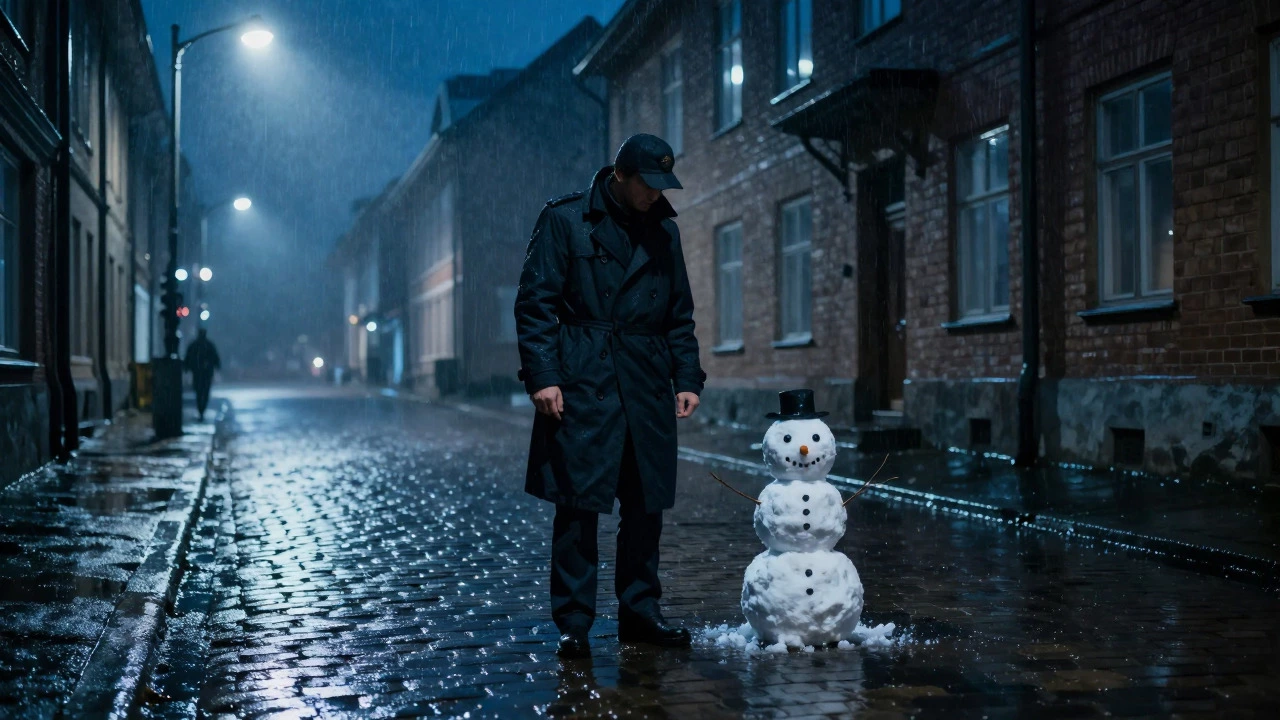
If you love the smell of rain-soaked streets and detectives who are as broken as the cases they solve, you need Nordic Noir. This subgenre doesn't just give you a murder; it gives you a mirror into society’s darker corners. The pacing is deliberate, but the atmosphere is suffocatingly tense.
Start with The Snowman by Jo Nesbø. It follows Detective Harry Hole, a man whose personal life is a disaster, hunting a serial killer who leaves snowmen at crime scenes. The cold isn't just weather here; it’s a character. If you’ve already read Nesbø, try The Girl with the Dragon Tattoo by Stieg Larsson. Lisbeth Salander is one of literature’s most iconic anti-heroes-a hacker with a chip on her shoulder and a past she’d kill to keep buried. These books work because they ground high-stakes crime in realistic human dysfunction.
- Best for: Readers who like atmospheric settings and complex, flawed protagonists.
- Key Element: Slow-building dread rather than sudden jumpscares.
- Alternative: If you prefer American grit, try The Dry by Jane Harper. It’s set in drought-stricken Australia and feels like a pressure cooker ready to explode.
The Mind-Bender: Unreliable Narrators and Psychological Twists
Sometimes, the scariest thing isn't a killer with a knife-it’s your own memory failing you. Psychological thrillers play with perception. They make you question everything you thought you knew about the characters. By page 50, you trust the narrator. By page 200, you realize the narrator might be lying to you, or worse, to themselves.
Gone Girl by Gillian Flynn changed the game here, but if you want something fresh, look at The Silent Patient by Alex Michaelides. A woman shoots her husband five times in the face and then never speaks another word. A psychotherapist becomes obsessed with uncovering her motive. The twist is legendary, but what makes it stick is how the author uses Greek tragedy structures to build the inevitable collapse. Another strong contender is I’m Thinking of Ending Things by Iain Reid. It’s short, disturbing, and will leave you re-evaluating every scene long after you close the back cover.
| Style | Pacing | Primary Fear Source | Example Book |
|---|---|---|---|
| Domestic Suspense | Medium | Betrayal by loved ones | The Wife Between Us |
| Mental Instability | Fast | Loss of self/reality | The Silent Patient |
| Gothic Horror-Thriller | Slow | Isolation and history | The Haunting of Hill House (thriller elements) |
The High-Octane Chase: Conspiracy and Espionage
Not everyone wants to sit in a dark room analyzing trauma. Some readers want cars speeding off cliffs, secret codes, and governments hiding the truth. This is where espionage thrillers shine. These stories move fast, often spanning multiple countries, and rely on high stakes-usually the fate of nations.
John le Carré is the master of the intellectual spy novel, but for pure adrenaline, check out The Day of the Jackal by Frederick Forsyth. It’s a cat-and-mouse game between an assassin hired to kill Charles de Gaulle and the detective trying to stop him. The detail is forensic-level precise. For a modern take, Red Sparrow by Jason Matthews offers a gritty look at Russian intelligence training. It’s brutal, smart, and keeps the momentum high from chapter one. If you liked the movie Jack Reacher, start with Lee Child’s original novels. Reacher is the ultimate lone-wolf protector, solving crimes with his bare hands and sharp mind.
- Why it works: Clear goals, ticking clocks, and tangible villains.
- Pro Tip: Read these when you have time to binge. They are designed to be consumed quickly.
The Modern Tech-Noir: Digital Dangers and Cyber Crime
We live online, and our fears reflect that. Tech-noir thrillers explore the vulnerabilities of our digital lives. Hacking, identity theft, AI gone wrong, and social media manipulation are the weapons of choice. These stories feel terrifyingly plausible because they’re based on real-world anxieties.
Digital Fortress by Dan Brown is a classic example, blending cryptography with a government conspiracy. For something more recent and grounded, look at The Circle by Dave Eggers. It’s less about guns and more about the horror of total transparency and surveillance capitalism. It makes you look at your smartphone differently. If you enjoy true-crime podcasts about internet mysteries, Blackout by Matthew Quirk dives into the dark web and missing persons cases with chilling accuracy.
How to Choose Based on Your Current Mood
Still stuck? Use this quick decision tree. Ask yourself what kind of stress you want to experience.
- Do you want to feel smart? Choose a puzzle-box mystery like The Da Vinci Code or Agatha Christie’s And Then There Were None. You’ll be solving clues alongside the detective.
- Do you want to feel scared? Pick a home-invasion thriller like The Woman in the Window or Before I Go to Sleep. The threat is immediate and personal.
- Do you want to feel angry? Go for legal thrillers or corrupt-system exposés like John Grisham’s The Firm or Scott Turow’s Presumed Innocent. The injustice fuels the plot.
- Do you want to feel exhausted? Read a dense historical thriller like The Name of the Rose by Umberto Eco. It’s a medieval monastery murder mystery that requires actual focus.
Avoid the trap of reading reviews that spoil the ending. Instead, look for keywords like "atmospheric," "fast-paced," or "twist-heavy" to match your preference. Also, consider the length. If you only have an hour before bed, a novella-length thriller like One Hour by Peter Robinson is perfect. If you have a weekend, dive into a trilogy starter like The Bourne Identity.
What is the difference between a mystery and a thriller?
In a mystery, the crime happens first, and the story is about solving it. The reader often plays along with the detective. In a thriller, the focus is on the impending danger or the criminal's actions. The pace is faster, and the goal is to create suspense and anxiety rather than just curiosity. Mysteries are puzzles; thrillers are races against time.
Are there any good thrillers written by Australian authors?
Yes, Australia has a thriving crime fiction scene. Jane Harper is the most famous globally, known for The Dry and The Lost Man. Liane Moriarty writes domestic suspense thrillers like Big Little Lies. For harder-edged noir, try Craig Silvey’s Jasper Jones or Trent Dalton’s works, though he leans more literary. Mark Smith also writes excellent historical crime thrillers set in early colonial Australia.
Which thriller has the biggest plot twist?
Subjectively, Gone Girl by Gillian Flynn and The Silent Patient by Alex Michaelides are frequently cited for their shocking endings. However, older classics like The Murder of Roger Ackroyd by Agatha Christie invented many of the twists used today. If you haven't read Agatha Christie, start there, as modern twists are often variations on her original ideas.
Should I read standalone thrillers or series?
It depends on your commitment level. Standalone thrillers offer a complete experience in one go, which is great if you dislike getting attached to characters who might die later. Series, like those featuring Harry Hole or Jack Reacher, allow for deeper world-building and character development over time. If you love a specific protagonist, commit to the series. If you just want a quick fix, choose a standalone.
What defines a 'Nordic Noir' novel?
Nordic Noir is characterized by its setting in Scandinavia (Sweden, Norway, Denmark), cold and bleak atmospheres, socially conscious themes, and flawed, often alcoholic or depressed, detectives. It contrasts sharply with the sunny, cozy mysteries of Agatha Christie. Key authors include Stieg Larsson, Jo Nesbø, and Henning Mankell.