US State Cultural Explorer
Discover which state's culture resonates with you. Select a state below to reveal its primary cultural drivers, vibe, and key contributions.
Select a State
Choose a state from the list to explore its cultural profile.
State Name
Tagline goes here
Primary Driver
...
Key Output
...
The Vibe
Deep Dive
Detailed description goes here.
There is no single state in the United States that holds the title for "most culture" because culture is not a finite resource you can count like apples. It is a living, breathing ecosystem of art, food, history, and human interaction. If you ask a New Yorker, they will point to Broadway. If you ask a Texan, they will talk about rodeos and BBQ. If you ask a Californian, they might mention Silicon Valley innovation or Hollywood cinema.
The question itself reveals a misunderstanding of what culture actually is. It isn't just museums or festivals; it's how people live, work, and connect. To find the answer, we have to look at different dimensions: historical depth, artistic output, culinary influence, and demographic diversity. Each of these metrics points to a different champion.
The Weight of History: Why New York Stands Alone
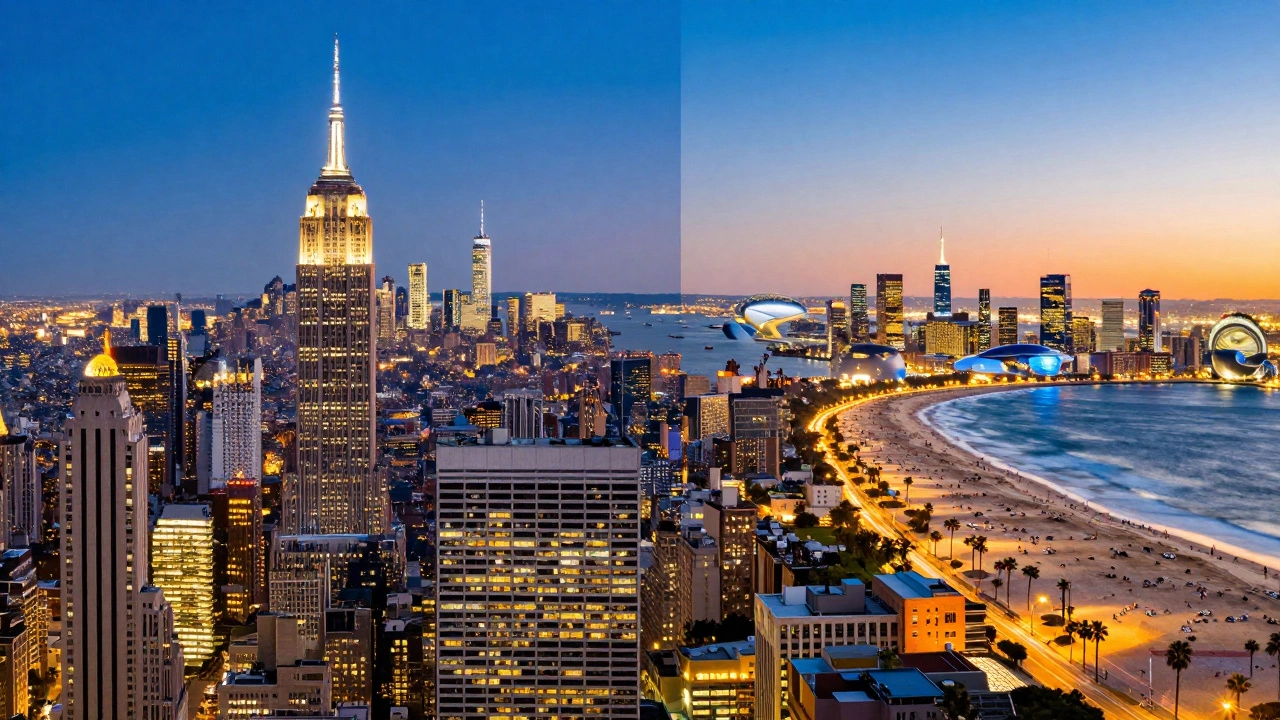
When most people think of "culture" in the abstract sense-high art, literature, theater, and global influence-they think of New York, specifically New York City. It is the cultural capital of the English-speaking world for a reason. The density of institutions here is unmatched. You have the Metropolitan Museum of Art, the Museum of Modern Art (MoMA), and the Guggenheim all within a few miles of each other.
But it goes deeper than buildings. New York is where movements are born. Jazz didn't just happen there; it was forged in Harlem. Hip-hop emerged from the Bronx. Abstract Expressionism found its home in SoHo galleries. The state serves as a magnet for talent from every corner of the globe. This constant influx creates a pressure cooker effect, forcing rapid evolution in art, fashion, and media. If your definition of culture relies on prestige, historical accumulation, and global soft power, New York is the undisputed leader.
The Creative Engine: California’s Influence
If New York represents the past and the present, California often dictates the future. Its cultural footprint is massive, but it looks different. Instead of traditional theaters, California gives us Hollywood. The film industry shapes how billions of people around the world see themselves, their heroes, and their villains. That is a profound form of cultural export.
Beyond entertainment, California has redefined lifestyle culture. Think about yoga, organic food, surf culture, and tech minimalism. These aren't just hobbies; they are global trends that started in places like Los Angeles and San Francisco. The state’s diverse geography allows for distinct subcultures to thrive simultaneously. You have the agricultural roots of Central Valley, the indigenous heritage of the coast, and the futuristic vibe of Silicon Valley. California’s culture is less about preservation and more about invention. It asks, "What can we create next?" rather than "What did we inherit?"
Culinary and Sensory Culture: Texas and Louisiana
Culture is also tasted. If you measure cultural richness by food, two states jump out: Texas and Louisiana.
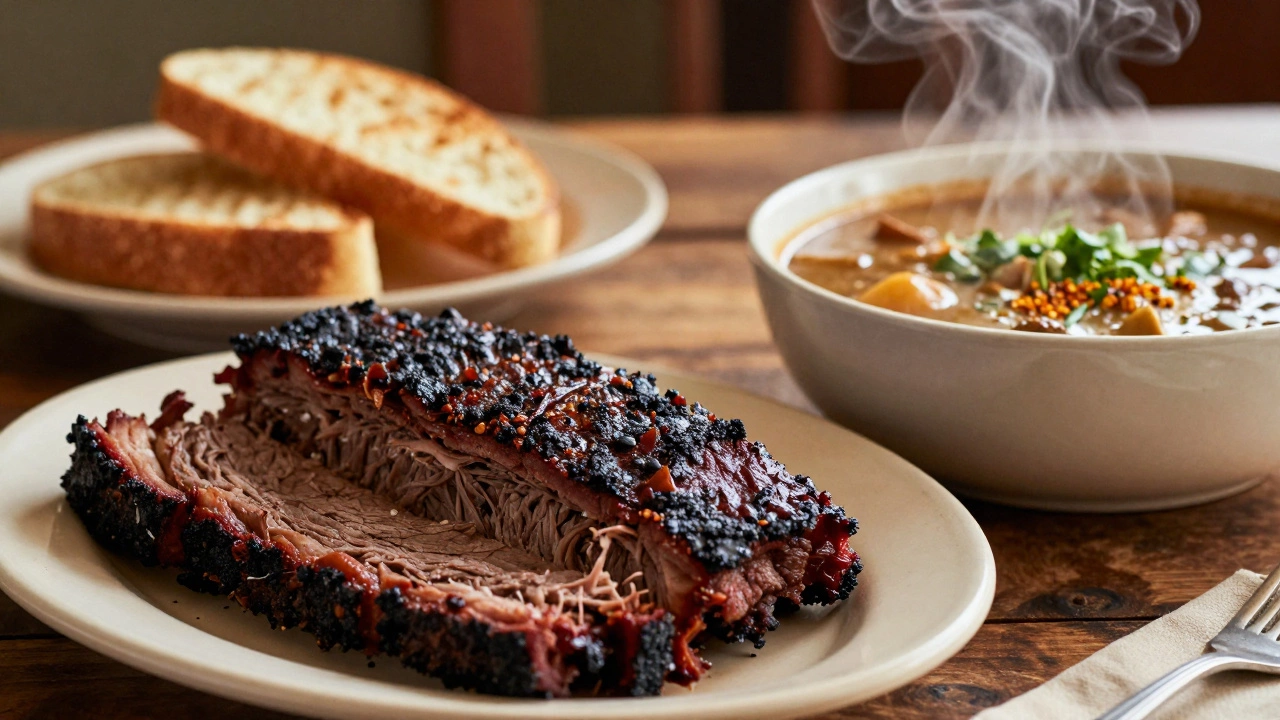
Texas offers a deep, slow-cooked narrative. Barbecue is not just food there; it is a religion. The traditions surrounding smoking meat, passed down through generations, reflect a specific kind of patience and community gathering. Then there is Tex-Mex, a fusion cuisine that tells the story of borderlands identity, blending Mexican ingredients with American sensibilities. It is hearty, direct, and deeply tied to the land.
Louisiana, particularly New Orleans, offers something else entirely: complexity. Cajun and Creole cuisines are unique in the United States. They blend French, Spanish, African, and Native American influences into dishes like gumbo and jambalaya. But the food is only half the story. The music-Jazz, Blues, Zydeak-is inseparable from the social fabric. In Louisiana, culture is communal and loud. It happens on porches, in parades, and at second-line processions. It is a culture that refuses to be contained indoors.
The Diversity Factor: Hawaii and New Mexico
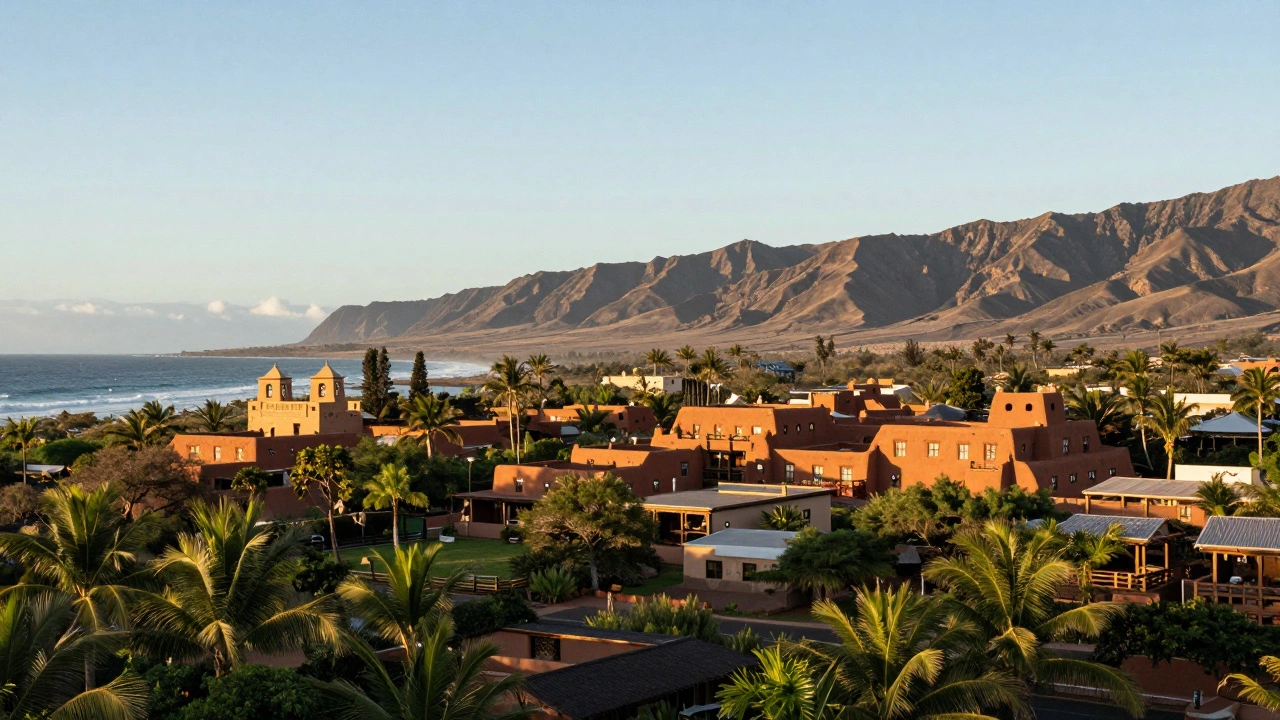
Demographic diversity drives cultural variety. Hawaii is a unique case. It is the only U.S. state with no majority ethnic group. This results in a culture of constant negotiation and blending. The concept of "Aloha Spirit" is not just a greeting; it is a social contract that emphasizes respect, harmony, and connection to nature. Hawaiian culture preserves ancient Polynesian traditions while adapting to modern realities. It offers a perspective on life that is distinctly non-mainstream compared to the continental U.S.
New Mexico provides another layer. It has the oldest continuous European settlement in the U.S. (Santa Fe) and a vibrant Native American presence. The culture here is steeped in adobe architecture, pottery, and religious syncretism between Catholicism and indigenous beliefs. It feels older, slower, and more spiritual than many other states. It challenges the fast-paced, digital-first narrative of coastal cultures.
Comparing Cultural Dimensions
| State | Primary Cultural Driver | Key Output | Vibe |
|---|---|---|---|
| New York | Institutions & Arts | Theater, Literature, Finance | Fast, Prestigious, Diverse |
| California | Media & Lifestyle | Film, Tech, Food Trends | Innovative, Relaxed, Global |
| Louisiana | Music & Cuisine | Jazz, Creole Food | Communal, Festive, Soulful |
| Texas | Tradition & Identity | BBQ, Country Music | Proud, Independent, Hearty |
| Hawaii | Heritage & Harmony | Polynesian Arts, Surf | Spiritual, Nature-focused, Welcoming |
Why the Question Matters
Asking which state has the "most" culture often leads to rivalry rather than understanding. But it forces us to define what we value. Do you value high art? Go to New York. Do you value pop culture and innovation? Go to California. Do you value musical heritage and flavor? Go to Louisiana. Do you value independence and tradition? Go to Texas.
The United States is a federal system, meaning each state retains significant autonomy over its laws, education, and local governance. This decentralization allows for extreme cultural variation. A small town in Vermont feels worlds apart from a suburb in Arizona. Recognizing this diversity is key to appreciating the country's true cultural wealth.
Hidden Gems: Beyond the Big Names
We often overlook states that don't fit the big-city mold. Consider Kentucky. It is the heart of bluegrass music and bourbon production. The craftsmanship involved in making bourbon is a cultural artifact in itself, tied to the soil and climate of the region. Or look at Mississippi, the birthplace of the blues. Without Mississippi, rock and roll would not exist. These states may not have the GDP of California, but their cultural contributions are foundational to American identity.
Then there is Oregon, which champions craft beer, indie music, and environmentalism. It represents a counter-culture movement that values sustainability and artisanal quality over mass production. Each of these states offers a complete, rich cultural experience that doesn't need validation from larger neighbors.
How to Experience True Cultural Depth
If you want to understand a state's culture, don't just visit the tourist traps. Here is how to dig deeper:
- Eat where locals eat. Avoid chains. Look for family-owned restaurants that have been open for decades. Ask for the special of the day.
- Attend local events. Skip the stadium concerts. Go to county fairs, street festivals, and church services if invited. These are where community bonds are visible.
- Visit independent museums. Large national museums are great, but local historical societies tell the specific story of that place.
- Talk to residents. Ask them what they love about their home and what frustrates them. Culture is lived, not just observed.
Conclusion: It’s About Perspective
There is no winner. There are only different flavors. New York offers intensity and history. California offers innovation and reach. Louisiana offers soul and sound. Texas offers pride and taste. Hawaii offers harmony and heritage. The "most" culture depends entirely on what resonates with you personally. The beauty of the U.S. is that you can experience all of these without leaving the country.
Is New York really the cultural capital of the US?
In terms of high arts, theater, literature, and global influence, yes. New York City houses the most prestigious museums and performance venues. However, "cultural capital" is subjective. California dominates in film and tech culture, while other states lead in music and cuisine.
Which state has the most diverse population?
Hawaii is often cited as the most diverse state with no single majority ethnic group. California and New York also rank very high due to large immigrant populations from Asia, Latin America, and Europe. Diversity drives cultural richness by introducing new traditions, foods, and perspectives.
Does Texas have a strong culture?
Yes, Texas has a very strong and distinct culture centered around independence, barbecue, country music, and cowboy heritage. It blends Southern, Western, and Mexican influences. The state takes pride in its unique identity, which is reflected in its language, food, and social norms.
What makes Louisiana's culture unique?
Louisiana, especially New Orleans, combines French, Spanish, African, and Native American influences. This mix created unique music genres like Jazz and Blues, and distinctive cuisines like Creole and Cajun. The culture is highly communal, with a strong emphasis on celebration, music, and shared meals.
Can a small state have more culture than a large one?
Absolutely. Culture is not measured by size or population. Small states like Rhode Island or Vermont have rich histories, distinct dialects, and strong community traditions. Density of cultural activity often matters more than geographic area. A small town can have a vibrant arts scene that rivals major cities.