Find Your Romance Reader Profile
Reader Questionnaire
Your Likely Preferences:
Key Stats:
You’ve probably heard the joke: if you remove the sex scenes from a romance novel, it’s just a crime thriller or a historical drama. But here’s the twist-millions of people are buying those books specifically for the happy ending. In fact, romance novels are the highest-grossing fiction genre in publishing, generating over $1.4 billion annually in the US alone. Yet, when we ask who is actually doing the reading, the answers often surprise us. It isn’t just the stereotype of the lonely housewife with a cup of tea. The reality is far more complex, spanning generations, genders, and digital platforms.
The Core Audience: Women Aged 25 to 49
If you had to pick one demographic that drives the romance industry, it would be women between the ages of 25 and 49. This group has been the backbone of the genre for decades. According to data from the Romance Writers of America (RWA), which tracks reader habits extensively, nearly half of all romance readers fall into this bracket. Why this specific age range? It often aligns with life stages where readers seek escapism, emotional connection, or stress relief after long workdays or parenting duties.
Within this core group, there is a distinct split in preferences. Younger readers (25-34) tend to gravitate toward contemporary romance, new adult stories, and series with faster pacing. They are also the primary drivers behind the explosive growth of Kindle Unlimited, a subscription service that allows users to read unlimited books for a monthly fee. Older readers (35-49) often prefer established authors, historical romances, or cozy mysteries with romantic subplots. They value character depth and world-building over rapid plot twists.
| Age Group | Preferred Subgenres | Primary Format | Key Motivation |
|---|---|---|---|
| 18-24 | New Adult, YA Crossover, Paranormal | E-book / Audiobook | Identity exploration, community |
| 25-34 | Contemporary, Workplace Romance | E-book (Subscription) | Escapism, quick entertainment |
| 35-49 | Historical, Small Town, Clean Romance | Print / E-book | Relaxation, nostalgia |
| 50+ | Classic Romance, Historical, Inspirational | Print / Large Print | Comfort, familiar tropes |
The Rise of the Younger Reader: Gen Z and TikTok
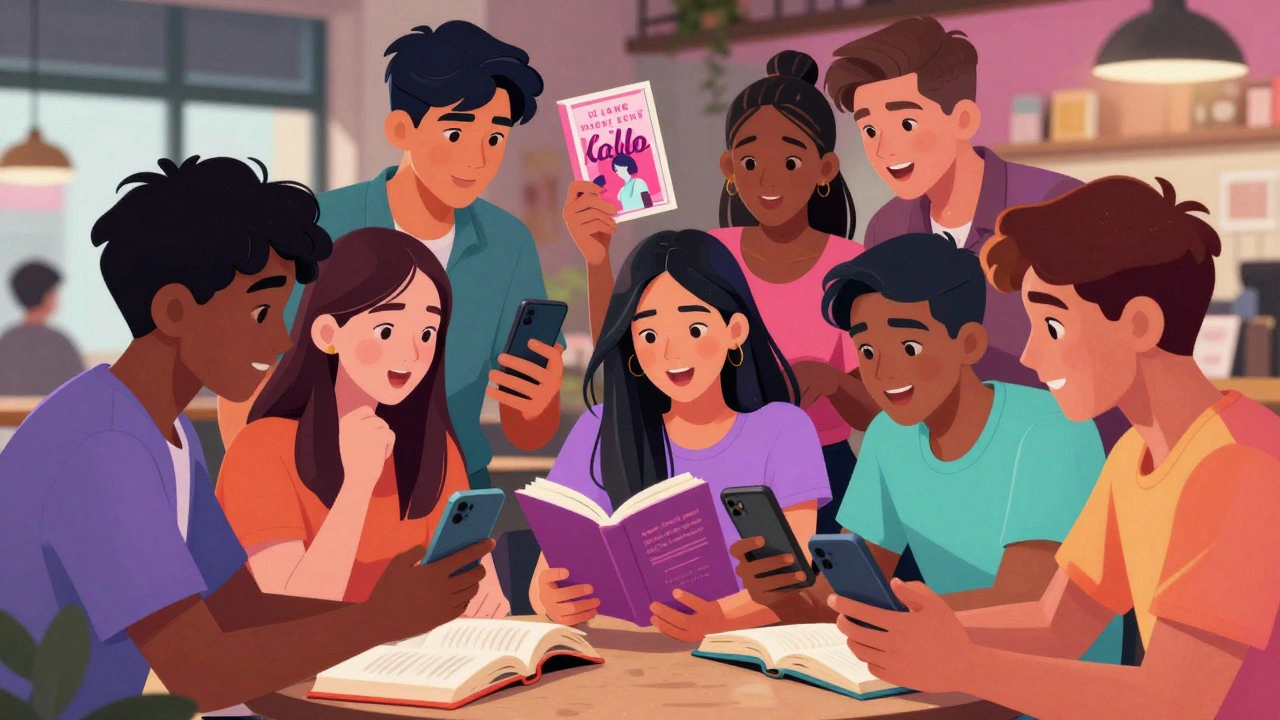
For years, publishers assumed that romance was an older woman’s game. Then came BookTok. This phenomenon on TikTok has completely reshaped the demographic landscape. Suddenly, teenagers and young adults aged 16 to 24 are devouring romance novels at record rates. These readers aren’t just browsing; they are creating viral trends that sell out print runs within weeks.
Gen Z readers bring different expectations to the table. They are heavily influenced by social justice themes, diverse representation, and mental health awareness. A romance novel today must often navigate complex issues like trauma recovery, LGBTQ+ identities, and cultural authenticity to resonate with this younger audience. Authors like Colleen Hoover and Taylor Jenkins Reid have seen massive spikes in sales among this demographic because their stories blend emotional intensity with modern sensibilities. For many Gen Z readers, romance isn’t just about love; it’s about seeing themselves reflected in the narrative.
Men Read Romance Too (But They Hide It)
Here’s a secret that the publishing industry is only beginning to acknowledge: men read romance. A lot. However, they rarely admit it in surveys. When asked directly, only about 10% of male readers identify as "romance readers." But when you look at what they buy, the picture changes. Men frequently purchase military romance, paranormal romance, and erotic romance under pseudonyms or through anonymous online accounts.
Why the secrecy? Stigma. Society still views romance as a "female" genre, leading to shame or fear of judgment. However, studies suggest that male readers are drawn to the same elements as female readers: clear emotional stakes, predictable structures, and satisfying conclusions. As the genre becomes more mainstream and less stigmatized, this hidden demographic is likely to grow. Publishers are starting to notice, with some marketing campaigns subtly targeting male interests without explicitly labeling the books as "romance."">
Digital vs. Print: How Format Shapes Readership
The way we read romance has changed dramatically. In 2010, print dominated. Today, e-books and audiobooks account for nearly 60% of romance sales. This shift isn’t random; it reflects the lifestyle of the average reader. Busy professionals and parents often listen to audiobooks while commuting or doing chores. Younger readers prefer e-books for their convenience and lower cost.
Audible and similar platforms have exploded in popularity among romance fans. Many readers report listening to multiple books a week, treating them like background noise for relaxation. This format preference skews slightly older, as listeners often have higher disposable income and value time efficiency. Meanwhile, print remains strong among collectors and older readers who enjoy the tactile experience of holding a book. The coexistence of these formats means the romance market is broader than ever, capturing readers across different technological comfort levels.
Why Do People Read Romance? Beyond the Trope
To understand who reads romance, you have to understand why. Research consistently shows that romance readers are not looking for sexual content alone. They are seeking emotional regulation. Life is unpredictable; relationships are messy. Romance novels offer a controlled environment where conflict is resolved, and love wins. This predictability provides a sense of safety and hope.
Psychologists note that reading romance can reduce stress and improve mood. For readers dealing with anxiety or depression, the genre offers a temporary escape into a world where kindness is rewarded and villains are defeated. This therapeutic aspect appeals to a wide range of ages, but it is particularly potent for those in high-stress jobs or caregiving roles. The "why" explains the "who": anyone seeking comfort, joy, or a break from reality is a potential romance reader.
The Future of Romance Readers
As we move further into the 2020s, the definition of a romance reader continues to expand. Diversity is no longer a niche; it’s a demand. Readers want stories that reflect their own cultures, bodies, and experiences. This push for inclusivity has attracted readers who previously felt alienated by traditional white-centric narratives. Additionally, the rise of self-publishing has allowed marginalized voices to reach audiences directly, bypassing traditional gatekeepers.
Looking ahead, expect to see even more crossover genres. Romance will continue to blend with sci-fi, fantasy, and mystery, attracting readers who might not otherwise pick up a love story. The key takeaway? Romance is not a static genre for a static audience. It evolves with its readers, adapting to new technologies, social values, and cultural shifts. Whether you’re a teenager on TikTok or a retiree with a library card, there’s a romance novel waiting for you.
What percentage of romance readers are male?
While official statistics vary, most surveys indicate that approximately 10-15% of romance readers identify as male. However, this number is likely underestimated due to social stigma. Many men read romance subgenres like military or paranormal but do not label themselves as "romance readers" in public polls.
Is romance the most popular book genre?
Yes, romance is consistently the highest-grossing fiction genre in terms of revenue. It outsells thrillers, mysteries, and science fiction combined in many markets. Its popularity is driven by a loyal, high-volume readership that consumes multiple books per month.
Why are younger people reading more romance novels now?
The rise of BookTok on TikTok has introduced romance to a younger generation. Social media algorithms recommend emotionally charged stories, and Gen Z readers appreciate the genre's focus on diversity, mental health, and authentic relationship dynamics.
Do romance readers prefer e-books or print?
E-books and audiobooks currently dominate the market, accounting for roughly 60% of sales. This is especially true among younger and busy professional readers. However, print remains popular among older demographics and collectors who value physical copies.
What are the most common reasons people read romance?
Readers primarily seek escapism, stress relief, and emotional satisfaction. The guarantee of a "happily ever after" provides a sense of hope and predictability that is comforting in an uncertain world. Many also enjoy the exploration of human emotions and relationships.